7 Important Considerations While Choosing Commercial Property Locks in the UK
Security is a critical concern for any commercial property, whether it is an office, retail store, warehouse, or industrial unit. The right locking system not only protects physical assets but also safeguards sensitive data, employees, and customers. In the UK, choosing commercial property locks requires careful consideration of security standards, operational needs, and legal requirements.
Professional locksmiths play a key role in guiding businesses through this process and ensuring locks are installed or replaced correctly.
What to Consider When Choosing Commercial Property Locks in the UK
Here are a few important considerations while choosing the best property locks in the UK.
- Compliance with British Standards and Insurance Requirements
One of the most important factors when selecting commercial locks in the UK is compliance with British Standards. Many insurers require locks to meet specific certifications, such as BS3621 for mortice deadlocks or equivalent standards for euro cylinder locks. Non-compliant locks can invalidate insurance claims in the event of a break-in.
Before purchasing or replacing locks, businesses should verify that the chosen products are approved for commercial use and meet insurer requirements. Locksmiths are well-versed in these standards and can recommend suitable locks that provide both security and insurance compliance.
- Level of Security Required
Different areas within a commercial property may require different levels of security. Main entrances, emergency exits, storage rooms, and data-sensitive areas all have unique risk profiles. High-value or restricted-access areas may need high-security locks with anti-drill, anti-pick, and anti-snap features.
Locksmiths assess the layout and usage of a property to determine the appropriate level of protection for each access point. This tailored approach prevents over-securing low-risk areas while ensuring critical spaces receive maximum protection.
- Type of Locking System
Commercial property owners must choose between various locking systems, including traditional mechanical locks, master key systems, and electronic or smart locks. Mechanical locks are reliable and cost-effective, while master key systems allow controlled access for management and staff.
Electronic locks and access control systems offer greater flexibility, allowing access to be changed without replacing physical keys. These systems are particularly useful for businesses with frequent staff turnover or multiple departments. A professional locksmith 24 hour emergency can explain the advantages and limitations of each option and help businesses select the most suitable system.
- Durability and Usage Frequency
Commercial locks experience significantly higher usage than residential ones. Doors may be opened and closed hundreds of times a day, especially in retail or office environments. As a result, durability and build quality are essential considerations.
Locks made from high-quality materials and designed for heavy use reduce the risk of failure and the need for frequent replacements. Locksmiths can recommend brands and models known for long-term performance in commercial settings, helping businesses avoid costly downtime and emergency repairs.
- Key Control and Access Management
Managing who has access to a commercial property is just as important as the lock itself. Poor key control increases the risk of unauthorised entry, especially when keys are lost or copied without permission.
Restricted key systems, which prevent unauthorised duplication, are a popular choice for UK businesses. Locksmiths can design and implement key management systems that track access and reduce security risks. For higher-level security, locksmiths may suggest access control systems that eliminate physical keys altogether.
- Fire Safety and Emergency Access
While security is essential, commercial locks must also comply with fire safety regulations. Emergency exits should allow safe and quick evacuation, often requiring panic bars or thumb-turn mechanisms on the inside.
A professional locksmith Harlow ensures that locks meet both security and safety requirements. They understand how to balance protection with accessibility, ensuring compliance with UK fire and building regulations.
- Future Scalability and Maintenance
Businesses grow and change over time, and locking systems should be able to adapt. When choosing commercial property locks, it is important to consider future expansion, staff changes, or upgrades to security technology.
Locksmiths help businesses plan for scalability by installing systems that can be easily modified or expanded. They also provide ongoing maintenance services, ensuring locks remain functional and secure throughout their lifespan.
The Role of Locksmiths in Installation and Replacement
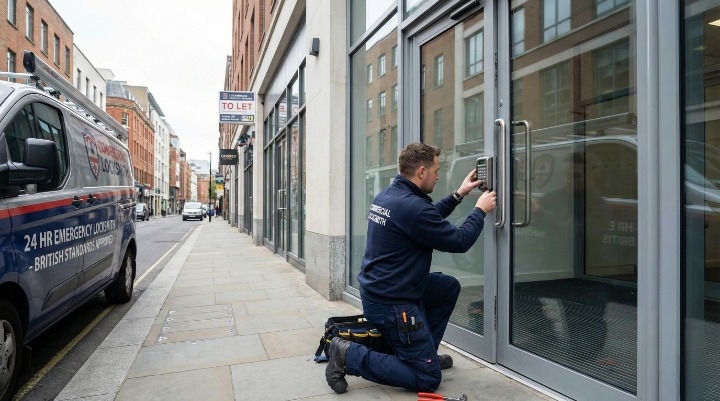
The expertise of a professional locksmith is invaluable when installing or replacing commercial property locks. Locksmiths ensure locks are fitted correctly, aligned properly, and tested thoroughly. Improper installation can compromise even the most advanced lock.
In addition, locksmiths provide security assessments, recommend upgrades, and offer emergency support when issues arise. Their knowledge of UK regulations, insurance standards, and best practices ensures businesses receive reliable and compliant security solutions.
Conclusion
Choosing the right commercial property locks in the UK requires careful consideration of security standards, durability, access control, and regulatory compliance. Each decision plays a role in protecting assets and maintaining operational continuity.
By working with a qualified locksmith, businesses can ensure that locks are not only well-chosen but also professionally installed and maintained. Investing in the right locking systems—and expert support—provides long-term security, peace of mind, and protection for both property and people.
About the Author