Fuel Rationing Asia Europe: The 2026 Crisis and UK Impacts
The March 2026 closure of the Strait of Hormuz sent panic across global energy markets. But the headlines hide the truth for the UK. We see severe fuel shortages in Asia and massive cargo bidding wars across Europe. The domestic reality here is vastly different. The UK is not facing dry petrol pumps. The real danger is “economic self-rationing” as wholesale energy prices explode.
The 2026 fuel rationing Asia Europe crisis is a global supply shock caused by the Strait of Hormuz closure, disrupting 20% of global LNG. While Asian nations face physical gas curtailments and Europe battles for spot cargoes, the UK remains insulated from petrol shortages, though citizens face severe economic self-rationing due to massive price spikes.
Key Takeaways
- The Strait of Hormuz closure blocked roughly 20% of the world’s liquefied natural gas (LNG).
- QatarEnergy’s force majeure sparked a fierce bidding war between Europe and Asia.
- UK petrol pumps are safe because only 1% of our crude oil comes from the Middle East.
- UK wholesale natural gas prices jumped 45% in early March 2026.
- The main domestic threat is economic self-rationing due to unbearable heating costs.
- Emergency government funds are now available for off-grid households.
Quick Start: Understanding Your 2026 Energy Risk
- For Drivers: No action needed. Domestic petrol capacity is completely secure.
- For Off-Grid Homes: Monitor heating oil quotes daily. Check your eligibility for the £53 million support fund.
- For SMEs: Review wholesale gas price caps and audit your raw material supply chains.
The Catalyst: The 2026 Strait of Hormuz Blockade
The Strait of Hormuz is a narrow waterway in the Middle East. It acts as a massive bottleneck for global trade. Its closure in March 2026 instantly choked off vital energy routes.
Timeline of the Supply Shock:
- Early March 2026: The blockade begins, trapping vessels.
- QatarEnergy declares force majeure. This suspended their legal obligations to deliver gas.
- Roughly 20% of the global LNG supply vanishes overnight. 4. Wholesale gas prices surge globally. Buyers scrambled for immediate replacements.
Common Mistake: People often assume a Middle East blockade only affects oil. The biggest, fastest casualty is actually natural gas, which directly hits European heating grids and electricity costs.
Fuel Rationing Asia vs. Europe: The Cargo Bidding War
Europe desperately needs gas to refill winter reserves. Asia relies heavily on scheduled Qatari shipments. When those shipments stopped, panic set in.
A fierce competition ignited between Europe and major Asian economies like China, Japan, and South Korea. Buyers began hunting for any available vessel. [European gas storage trackers].
In Q1 2026, nations highly dependent on Middle Eastern LNG suffered acute supply shocks. Pakistan and India could not easily outbid European markets for spot cargoes. This forced severe industrial gas curtailments. Energy-intensive sectors like refining, glass, and ceramics took massive hits to stay afloat.
Governments stepped in. Bangladesh had to secure spot LNG at nearly two and a half times the normal price just to keep domestic supplies manageable.
“Gas rationing across industries has already begun after aggregators and distribution companies reduced supply,” noted Wood Mackenzie analysts during the early days of the disruption.
Will the UK Face Physical Fuel Rationing?
Ignore the panic on social media. The UK is not running out of physical fuel.
During the March 2026 crisis, lawmakers debated the risk of domestic shortages. Government analysis revealed a comforting fact. The UK is highly insulated from physical fuel scarcity. We import roughly 1% of our crude oil from the Middle East. The pumps are completely safe.
“The UK remains a net exporter of petrol, with domestic capacity sufficiently filling this demand,” confirmed officials in Parliament. You do not need to panic-buy petrol. Domestic production and non-Middle Eastern imports ensure forecourts remain well-stocked. [UK Gov official fuel supply statements].
The Real Threat in the UK: “Economic Self-Rationing”
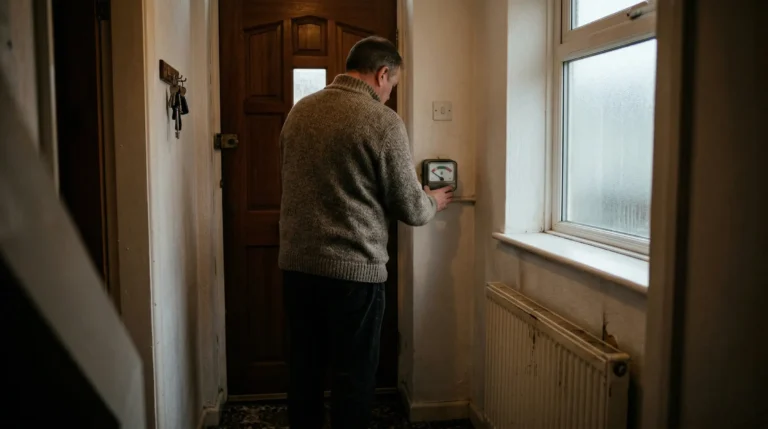
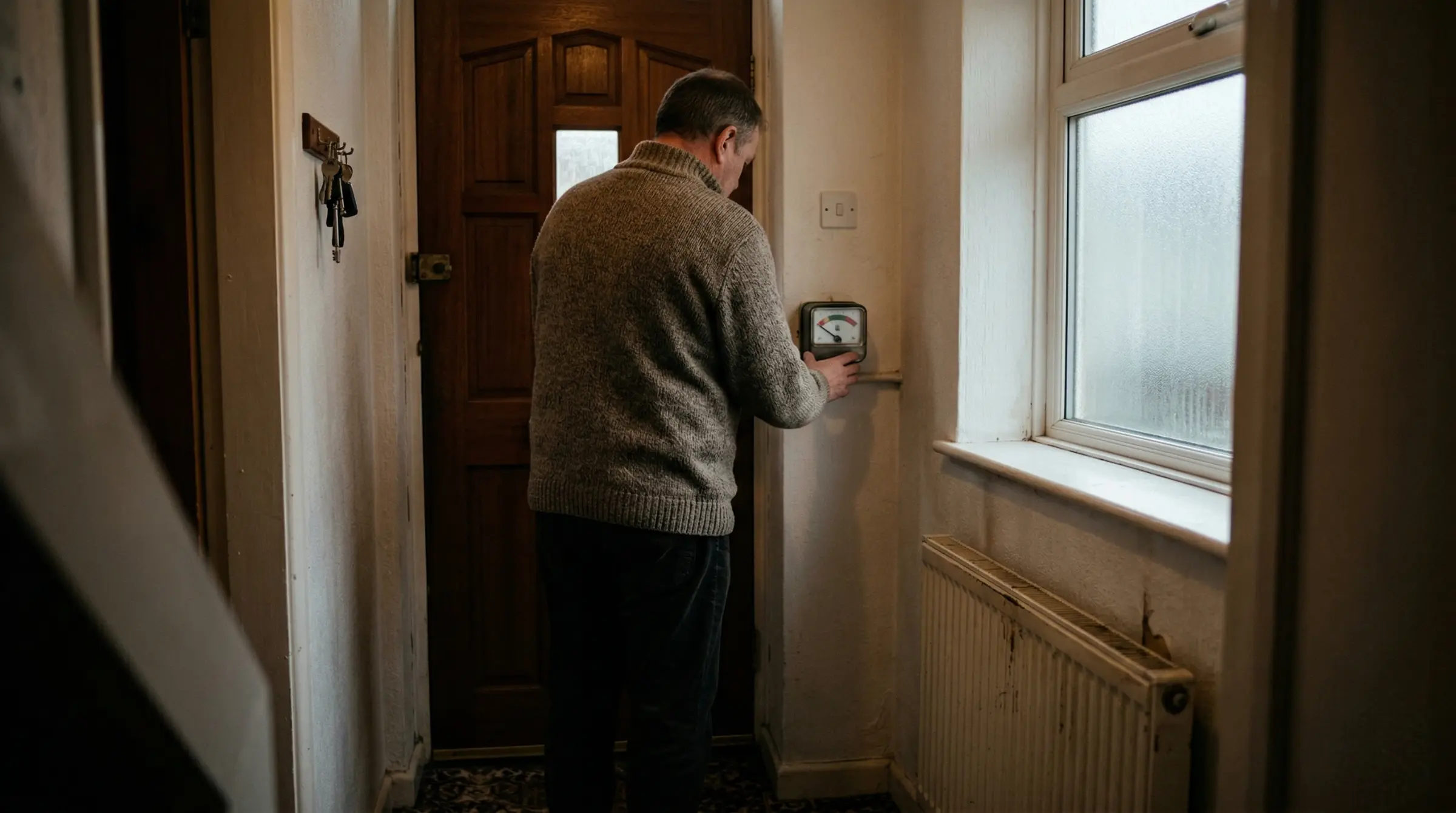
What is the real risk? It is entirely financial. We call this “economic self-rationing.”
Instead of the state limiting your fuel, astronomical prices force you to freeze. In March 2026, UK natural gas prices surged by 45%. They hit 113.79 pence per therm almost instantly. You are not fighting for gas at a pump. You are fighting to pay the bill.
| Feature | Physical State Rationing (Asia) | Economic Self-Rationing (UK) |
| Mechanism | Government or supplier stops the flow of gas. | Extreme prices force users to turn off their own heating. |
| Affected Groups | Heavy industry, manufacturers, power grids. | Off-grid homes, vulnerable families, SMEs. |
| Visible Symptoms | Factory shutdowns, scheduled blackouts. | Cold homes, unpaid bills, rising debt. |
| Response | Desperate spot cargo bidding at high premiums. | Emergency government cash funds and grants. |
Local councils and charities are terrified. High energy prices continue to force vulnerable UK residents into unsafe “severe energy rationing” and self-disconnection. People simply turn off their meters to avoid debt. As one TIME report bluntly warned, “We need to begin to ration the amounts of fuel and electricity we’re using.” [UK fuel poverty charities].
MID-ARTICLE SUMMARY BOX
- The global crisis is physical. The UK crisis is purely financial.
- Do not panic-buy petrol; UK domestic production is highly resilient.
- Focus your preparation entirely on budgeting for inflated gas and heating oil bills.
Secondary Shockwaves: UK Manufacturing and Agriculture
This crisis hits more than just radiators. Think about global supply chains. Natural gas is a vital raw material. When Gulf LNG shipments stop, global ammonia and fertiliser production grinds to a halt.
UK manufacturers must secure alternative chemical suppliers immediately. During urgent parliamentary debates, lawmakers highlighted this harsh reality. The UK is insulated from physical fuel scarcity at the petrol pump. But our deep integration into global fossil fuel markets exposes our food and manufacturing sectors entirely to price volatility.
How UK SMEs and Off-Grid Homes Can Protect Themselves
Take action to protect your finances. UK off-grid households are facing sharp heating oil price spikes. The international spot market is highly volatile right now. This prompted an urgent, comprehensive examination by the Competition and Markets Authority (CMA).
Do not suffer in silence if you cannot afford heat. The UK Chancellor announced a £53 million fund to assist low-income families reliant on heating oil. [Gov.uk heating oil support grant portal].
For businesses, track European underground gas storage levels closely. When reserves fall below 30% capacity—as they did in early 2026—wholesale prices spike. Exercise extreme caution before locking into long-term commercial energy tariffs during peak crisis periods. Historical data shows prices often stabilize once shipping routes adapt.
Tool 1: UK SME Energy Risk Assessment Checklist
- [ ] Is our primary energy source gas, electricity, or heating oil?
- [ ] Are we reliant on raw materials sensitive to LNG shortages (e.g., ammonia, fertilisers)?
- [ ] Have we reviewed the latest government guidance on wholesale price caps?
- [ ] Is our current energy contract fixed or variable? Does it expire soon?
- [ ] Do we have a contingency budget for a sudden 45% surge in utility costs?
Tool 2: Off-Grid Household Heating Oil Decision Tree
- Step 1: Are you experiencing a sudden spike in heating oil quotes?
-
Yes -> Proceed to Step 2.
-
No -> Continue monitoring local suppliers.
-
- Step 2: Does your household fall under the low-income classification?
-
Yes -> Check eligibility for the £53 million Chancellor fund designated for off-grid homes.
-
No -> Proceed to Step 3.
-
- Step 3: Are you considering rationing your heating to unsafe levels?
-
-
Yes -> Immediately contact your local council or energy charity for emergency support. Do not self-disconnect.
-
No -> Compare quotes from at least three CMA-regulated suppliers to ensure fair pricing.
-
End Summary
The fuel rationing Asia Europe headlines are alarming, but the UK’s exposure is strictly economic. While Asian industries face physical shut-offs, UK citizens and businesses must navigate extreme price volatility and self-rationing pressures. The pumps will not run dry. Your bank account, however, needs immediate protection.
Next Steps:
- Verify your off-grid heating oil supplier is fully CMA-regulated.
- Apply for the £53 million government support fund if eligible.
- Review SME energy contracts ahead of the Q3/Q4 winter storage rush.
FAQs
Is the UK going to ration petrol in 2026?
No. The UK imports only around 1% of its crude oil from the Middle East. Domestic petrol capacity is secure and forecourts will remain stocked.
How does the Strait of Hormuz closure affect UK gas prices?
The closure blocked 20% of global LNG. This sparked a bidding war between Europe and Asia, causing UK natural gas prices to surge 45% in early March 2026.
What is economic self-rationing?
It is when energy prices become so expensive that households voluntarily stop using heating or electricity to avoid debt.
Why are UK heating oil prices so high right now?
Heating oil prices are directly tied to the international spot market, which is highly volatile due to the global shipping disruptions and geopolitical instability.
How can I get help with off-grid heating bills?
Low-income families reliant on heating oil can apply for a share of the £53 million emergency fund announced by the UK Chancellor. Contact your local council for access.
Will there be power cuts in the UK this winter?
Physical power cuts are highly unlikely. The risk is that European gas storage levels are low, which will keep electricity bills painfully high.
What is QatarEnergy’s force majeure?
It is a legal declaration made in 2026 stating that QatarEnergy could not fulfill its gas delivery contracts due to the Strait of Hormuz blockade being out of its control.
Are UK businesses protected by the European wholesale gas price cap?
Not entirely. While the EU considers price caps, market analysts warn this might stop Europe from outbidding Asian buyers, potentially causing further supply tightness that affects UK wholesale rates.
About the Author