Sarah Porter Spine Race: The Full Story of the 2026 Security Withdrawal
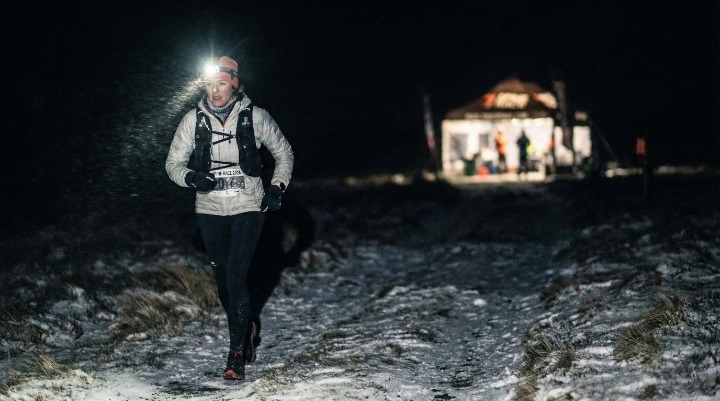
Imagine running through the pitch-black Pennine wilderness. You are battling sub-zero winds, wading through knee-deep mud, and navigating by the beam of a headtorch. In the Montane Winter Spine Challenger South, this physical suffering is the standard. It is what you signed up for.
But for Sarah Porter, the 2026 race brought a danger far darker than the British winter.
On 10 January 2026, the ultra-running community was shaken by news that Porter, a seasoned endurance athlete and humanitarian, had been forcibly withdrawn from the event. She was not pulled due to hypothermia, injury, or exhaustion. She was removed because of credible death threats.
This incident has sparked a massive conversation about safety in sport and the risks faced by high-profile activists. The Sarah Porter Spine Race story is no longer just about athletic endurance; it is a stark case study on the intersection of human rights advocacy and personal security.
Here is the full account of what happened between Edale and Standedge, the specific security protocols enacted, and the global humanitarian work that made Porter a target.
The Incident: Why Was Sarah Porter Withdrawn?
The confusion began early on Saturday morning. Spectators tracking the “dots” on the official Open Tracking map noticed that Sarah Porter’s GPS signal had vanished. In a race where a stopped tracker usually indicates a medical emergency, silence is alarming.
Standedge: The Final Checkpoint
According to race data, Porter had covered approximately 30 miles (48 km) of the 108-mile course. She had successfully navigated the initial climb up Jacob’s Ladder and crossed the Bleaklow plateau.
She arrived at the Standedge checkpoint—a notoriously exposed location on the Pennine Way—where her race abruptly ended. This was not a voluntary retirement (DNF).
Reports from iRunFar and The Guardian confirmed that race organisers intervened at this location. The decision was immediate. Porter was extracted from the course, and her electronic footprint was wiped from the public map.
Death Threats and Security Protocols
The reason for this extraction was severe. Porter had received death threats linked specifically to her fundraising efforts for women and girls in Afghanistan.
As the CEO of InspiredMinds, Porter has been a vocal advocate for Afghan human rights since 2021. Her high-visibility campaign for the 2026 Spine Race was designed to raise funds for the Afghan Girls’ Robotics Team and other educational initiatives.
Unfortunately, this visibility attracted malicious attention. A security risk assessment, conducted in conjunction with her coach and race safety teams, determined that her live location data posed an unacceptable risk. With thousands of people able to view her exact coordinates on the dark, remote moors, the threat to her life was deemed “credible and immediate.”
Key Fact: The withdrawal was a “protective measure.” Race Director Phil Hayday-Brown confirmed that while there was no wider threat to other runners, the specific risk to Porter required police involvement and immediate evacuation. [Source: The Guardian, 2026]
The Montane Winter Spine Challenger South: Britain’s Most Brutal 108 Miles
To understand the gravity of this withdrawal, you must understand the arena. The Montane Winter Spine Challenger South is not a standard marathon. It is widely regarded as one of the toughest endurance tests in the UK.
Surviving the Pennine Way in January
The race covers 108 miles from Edale in Derbyshire to Hardraw in North Yorkshire. Participants have a 60-hour time limit to traverse the backbone of England.
In January 2026, conditions were typically ferocious. Runners faced:
-
Constant Darkness: With less than 8 hours of daylight, most of the running happens at night.
-
The Terrain: The Pennine Way is notorious for its boggy ground. Runners often sink waist-deep into freezing mire.
-
The Elevation: The route involves over 5,400 meters of ascent—equivalent to climbing Mount Kilimanjaro, but in icy mud.
For an athlete to prepare for months, endure the start line anxiety, and battle through the first 30 miles of these conditions, only to be pulled for political reasons, is devastating.
GPS Trackers: A Double-Edged Sword for Safety
In modern ultra-running, the GPS tracker is the ultimate safety net.
-
The Benefit: It allows race HQ (the “Safety Team”) to spot if a runner has stopped moving due to hypothermia or injury. It allows family and fans to “dot watch” from home.
-
The Risk: For a public figure under threat, a live tracker is a beacon. It broadcasts their exact location in a remote area with zero police presence.
[Read more about Open Tracking technology on the official Montane Spine Race website]
By disabling her tracker, the organisers removed the primary tool used to ensure her safety against the elements, making it impossible for her to continue alone. It was a catch-22: keep the tracker on and risk an attack, or turn it off and risk the elements.
Behind the Athlete: Sarah Porter’s Humanitarian Mission
Sarah Porter is not just a trail runner; she is a significant figure in the global tech and human rights sectors. Her athletic challenges are almost always vehicles for her activism.
InspiredMinds and the Afghan Girls’ Robotics Team
Porter is the founder and CEO of InspiredMinds, a global community focused on AI and emerging technology. However, her work transcends business.
Since the regime change in Afghanistan, Porter has been heavily involved in evacuating and supporting at-risk Afghan nationals. She has worked directly with the Afghan Girls’ Robotics Team, helping them secure safety and continue their education abroad.
Her status as a United Nations advisor on technology and women’s rights adds weight to her profile—and evidently, to the threats she faces.
Fundraising for Freedom: The Cost of Visibility
The 2026 Spine Race campaign was a major fundraising push. Porter’s goal was to raise substantial funds to support underground schools and digital education for girls who are currently banned from learning in Afghanistan.
The GoFundMe page for the event had gained significant traction before the race began. It highlighted the desperate situation for women in the region. Ironically, the very success of her fundraising brought the campaign to the attention of those who oppose her mission.
Analysis: This incident highlights a growing conflict in the “Sport for Good” model. Athletes use their platforms to drive change, but when that change is politically charged, the open nature of sporting events can become a vulnerability.
The Aftermath: Race Organizers and Security Responses
The response from the race organisation and Porter’s support team was swift and professional.
Official Statement from Phil Hayday-Brown
Phil Hayday-Brown, the Spine Race Director, issued a statement emphasising that participant safety is the “absolute priority.”
He noted that the decision to withdraw a runner is never taken lightly, especially when they are physically capable of continuing. However, the nature of the security intelligence left them no choice. The integrity of the event and the safety of the individual superseded the race results.
The Role of Coach Jon Shield and Security Experts
Porter is coached by Jon Shield, a highly respected figure in the ultra-running community (known for his own exploits in races like the Jungle Ultra).
Shield played a crucial role in the risk assessment prior to and during the event. Sources indicate that a private security detail had been considered, but the logistics of the Pennine Way—remote, inaccessible by road, and severe weather—made physical protection nearly impossible.
The consensus between Shield, the race organisers, and security advisors was that once the specific nature of the threat was confirmed at Standedge, the only safe option was extraction.
What This Means for the Future of Ultra Marathon Security
The Sarah Porter Spine Race incident is likely to change how events handle high-profile participants.
Protecting Public Figures in Endurance Sports
Trail running prides itself on accessibility and community. The ethos is that everyone is equal on the trail. However, this event proves that real-world dangers can penetrate the “race bubble.”
Future events may need to consider:
-
Anonymised Tracking: Allowing high-risk runners to race with a tracker that is visible only to HQ, not the public.
-
Vetted Start Lists: tighter controls on who has access to athlete data.
-
Security Liaisons: Dedicated safety officers for charity runners involved in sensitive geopolitical causes.
How to Support Sarah Porter’s Cause Now
Despite the withdrawal, the fundraising mission remains active. The “DNF” (Did Not Finish) has arguably raised the profile of the cause more than a finish would have.
The community has rallied around Porter, with donations to her InspiredMinds Foundation surging in the days following the race. It serves as a defiant message that intimidation will not silence the support for Afghan women.
Conclusion
The 2026 Montane Winter Spine Challenger South will be remembered for the storm, the mud, and the grit of its finishers. But it will also be remembered for the 30 miles Sarah Porter ran under the shadow of a death threat.
Her withdrawal was a sobering reminder that for some, the fight for freedom carries risks that extend far beyond the racecourse. While she did not reach the finish line in Hawes, her attempt shed a powerful light on a cause that matters much more than a medal.
As the ultra-running community reflects on this security breach, one thing is clear: Sarah Porter may have been stopped at Standedge, but her race for human rights continues.
FAQs
Why did Sarah Porter leave the 2026 Spine Race?
Sarah Porter was withdrawn from the race by organisers due to credible death threats she received regarding her fundraising for Afghan women. It was a mandatory security extraction, not a physical failure.
What is the Montane Winter Spine Challenger South?
It is a brutal 108-mile non-stop ultra marathon along the Pennine Way, starting in Edale and finishing in Hawes. It is held in January and is known for severe winter weather and difficult navigation.
Who is Sarah Porter?
Sarah Porter is the CEO of InspiredMinds and a UN advisor. she is a prominent human rights activist known for her work evacuating Afghan nationals and supporting the Afghan Girls’ Robotics Team.
Is the Spine Race dangerous?
Yes, the race is inherently dangerous due to extreme cold, sleep deprivation, and remote terrain. However, the danger in 2026 was unique due to the external security threat directed at a specific runner.
How does the Spine Race tracking work?
Runners carry a GPS tracker from a provider called Open Tracking. This allows race HQ to monitor safety and lets the public view runner locations on a live map. Porter’s tracker was disabled to hide her location from those threatening her.
Did Sarah Porter finish the race?
No. She was withdrawn at the Standedge checkpoint, approximately 30 miles into the 108-mile course.
How can I support the cause Sarah was running for?
You can support her work by donating to the InspiredMinds Foundation or the specific GoFundMe campaigns set up for the Afghan women’s education projects.
About the Author