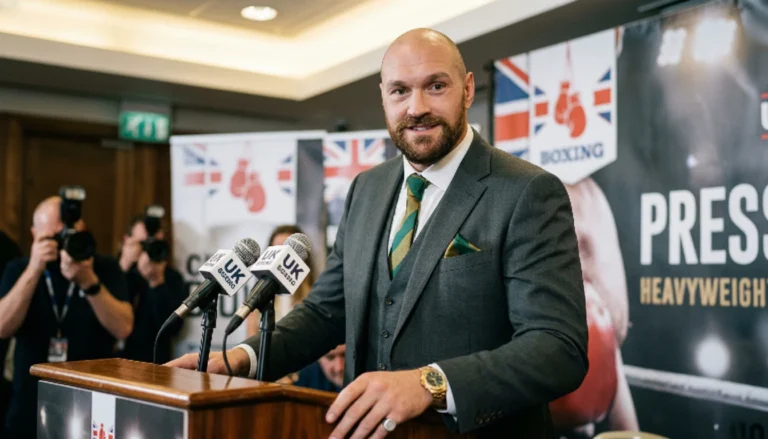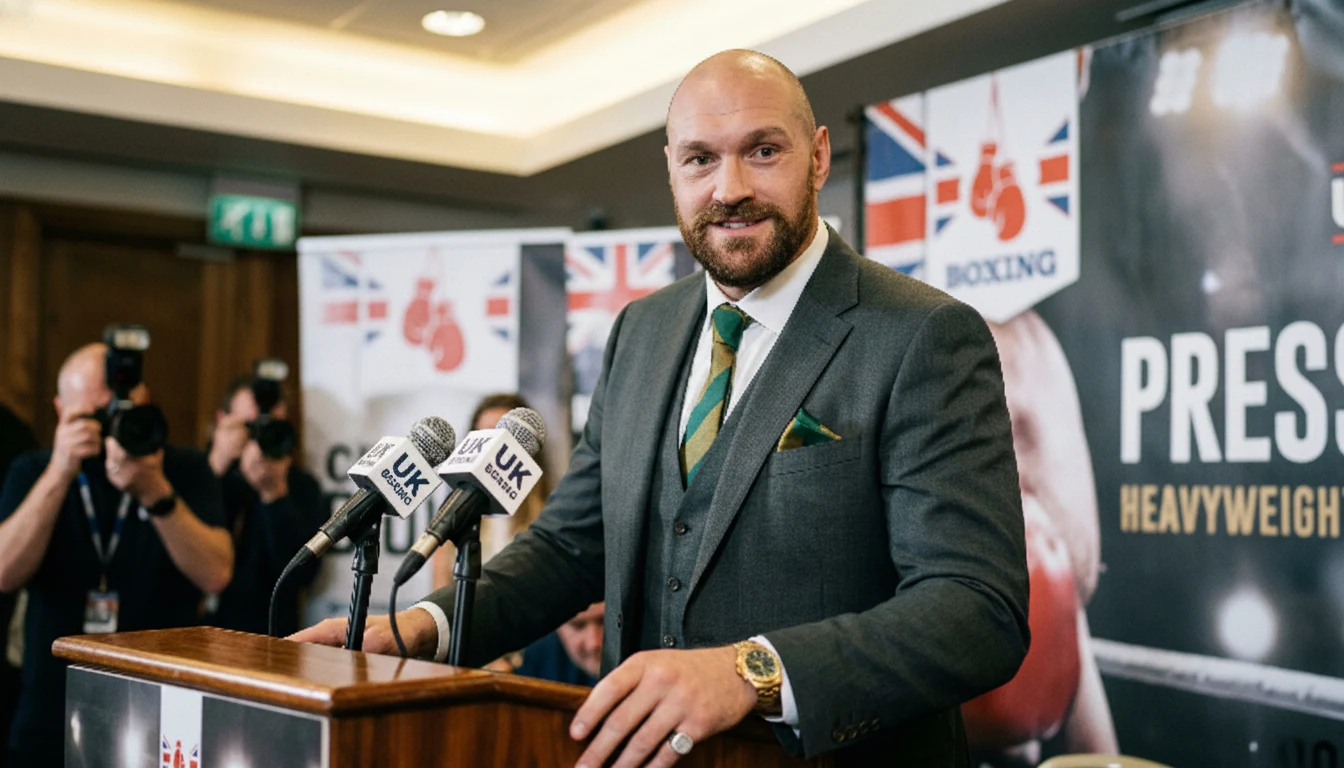
Tyson Fury Net Worth: Inside the £160m Corporate Shield
Every time the “Gypsy King” steps into the ring, tabloids throw around nine-figure sums. Gross paydays are an illusion.
Behind the extravagant ring walks lies a highly structured financial machine designed to navigate strict UK tax codes. As the man himself noted, “Boxing is better when Tyson Fury’s involved. With me, I brought the biggest streaming platform on Earth, Netflix. I bring a circus, I bring an entourage.” To understand his true wealth, we must look past boxing promoters. We need to dive directly into official records to reveal the £160 million corporate shield protecting Tyson Fury’s net worth.
As of recent UK financial filings, Tyson Fury’s net worth is closely tied to Tyson Fury Limited, which holds approximately £160 million in company assets. Despite earning over £155 million gross from the Usyk series, his retained wealth is heavily impacted by UK tax liabilities, keeping his overall net worth below rival Anthony Joshua.
Key Takeaways
- Tyson Fury operates primarily through a UK private limited company holding £160 million in assets.
- His gross earnings for the Oleksandr Usyk series reached an estimated £155 million.
- He ranked as the highest-paid boxer of 2024, taking home £117 million in salary and endorsements.
- UK tax bands significantly reduce the take-home pay of his massive Saudi Arabian purses.
- His verified net worth still trails behind domestic rival Anthony Joshua’s £195 million.
Quick Start: Evaluating Boxing Net Worth Claims
- Is the figure gross or net? If it represents a gross fight purse, reduce it by the estimated tax rate of the athlete’s primary residence.
- Does it include corporate holdings? Ensure the estimate accounts for filed company assets, not just personal bank accounts.
- Are endorsements factored in? Add non-boxing ventures, book deals, and brand sponsorships.
The Corporate Shield: Inside Tyson Fury Limited
High-net-worth athletes rarely operate as sole traders. It makes terrible financial sense. Instead, they use private limited companies to hold commercial assets and sporting revenues safely.
Tyson Fury Limited is an active company registered in the UK under company number 08708166. This structure acts as a powerful financial shield. By keeping wealth within the company, he avoids the immediate hit of top-tier personal income tax. Recent financial accounts show this strategy is working. The company’s assets doubled from roughly £82 million in 2023 to over £161 million in 2024.
It is not just a boxing holding tank. The company uses specific Standard Industrial Classification codes. These codes classify a business’s economic activities. For Fury, they show official operations spanning sports activities, public relations, and real estate letting.
Common mistake: People assume a celebrity’s company value is all sitting in cash in a personal current account. In reality, it is spread across diverse investments like property.
This legal structure allows him to build long-term wealth. Despite the massive corporate valuation, he reportedly drew a modest salary and dividend of about £100,000. Doing this optimises his personal tax position immensely. You can verify these asset filings directly via the UK Companies House register.
Gross Purses vs Retained Cash: The Fight Breakdown
Boxing math is tricky. What a fighter earns is rarely what a fighter keeps.
Take his recent highly publicised bouts. Fury earned a reported £35 million just to fight former UFC heavyweight champion Francis Ngannou. His total gross earnings from the two-fight series with Oleksandr Usyk hit an estimated £155 million. These massive paydays pushed his business profits up fast. The company generated a reported profit of £79 million between September 2023 and September 2024.
He was named the highest-paid boxer of 2024. He brought in a total of £117 million, which included £112 million from the ring and £5 million from endorsements. But how do you calculate the real money?
Here are the 5 steps to calculating a true boxer payday:
- Identify the guaranteed base purse negotiated with the promoters.
- Add estimated upside like pay-per-view splits, ticket sale percentages, and broadcast streaming bonuses.
- Include sponsorships and brand endorsement deals tied directly to the fight.
- Deduct necessary expenses including management fees, promotional cuts, and training camp costs.
- Apply the relevant tax rates to find the actual retained cash.
Mid-Article Summary
- Gross purses (like the £155m Usyk payday) do not equal liquid cash.
- Tyson Fury Limited generated £79 million in profit over a 12-month period.
- Legal corporate structures allow him to retain wealth via real estate and PR investments.
UK Tax Reality: Why Where He Lives Matters
Where an athlete lives dictates what they keep. Gross purses from Saudi Arabia grab headlines. But repatriating that cash to the UK triggers brutal tax realities.
Consider a typical scenario. A UK heavyweight boxer earns a £40 million gross purse fighting abroad. If they bring those funds directly into the UK as personal income, they face the 45% additional rate tax band. That practically halves their retained wealth. This exact mathematical reality explains why high-net-worth athletes often utilise offshore residencies or corporate structures.
Fury’s massive payouts face these same rules. Despite substantial fight purses in the Middle East, his net take-home wealth is significantly impacted by UK tax liabilities upon his return.
This is where corporate structuring saves millions. Remember that £160 million company asset valuation? He reportedly drew a very modest salary and dividend of approximately £100,000 from his business. He left the rest inside the company. When evaluating any athlete’s net worth, you must factor in the financial impact of residential tax jurisdictions. Avoiding immediate personal income tax at 45% alters a boxer’s wealth trajectory entirely. You can read more about these top-tier bands via official HMRC guidance on additional rate tax. Always distinguish between a headline gross purse and post-tax retained wealth.
The Domestic Rivalry: Tyson Fury vs Anthony Joshua
Boxing fans love a rivalry. The financial battle is just as fierce as the physical one. To establish a realistic market ceiling for boxing wealth, compare net worth logically by benchmarking against domestic peers.
Fury makes huge money. Yet, his overall net worth remains lower than that of his British rival Anthony Joshua.
Joshua’s net worth sits at an estimated £195 million. Why the gap? Joshua built a relentless commercial machine early in his career. He relied heavily on massive stadium fights in the UK and long-standing blue-chip sponsorships.
| Boxer | Est. Retained Net Worth | Primary Corporate Vehicle | Highest Earning Year |
| Anthony Joshua | £195 Million | 258 Management / Sparta | 2019 |
| Tyson Fury | £160 Million (Assets) | Tyson Fury Limited | 2024 (£117m Gross) |
Endorsements and The Netflix Effect
Boxing purses are volatile. Secondary endorsement income forms a much more stable, long-term wealth base. Fury understands this well.
Beyond the ring, he monetises his larger-than-life persona. He earned £5 million purely from endorsements in 2024. This income flows from brand deals, his Furocity energy drink line, and the massive success of his At Home with the Furys Netflix documentary. These streams ensure cash flows even when he is not taking punches.
Summary
Tyson Fury’s net worth is not just a reflection of his generational boxing talent. It is the result of a meticulously structured £160 million corporate shield. While headline numbers from Saudi Arabia dazzle fans, his actual retained wealth is dictated by Companies House filings, savvy real estate investments, and careful navigation of UK tax brackets.
Next Steps:
- Review the latest official filings for Tyson Fury Limited via Companies House.
- Track upcoming fight purses to estimate future corporate asset growth.
- Compare his non-boxing endorsement deals as he transitions toward retirement.
FAQs
What is Tyson Fury’s actual net worth?
His net worth is closely tied to Tyson Fury Limited, which holds approximately £160 million in corporate assets.
How much did Tyson Fury earn against Oleksandr Usyk?
He earned an estimated £155 million in gross pay for the two-fight series against Usyk.
Is Tyson Fury richer than Anthony Joshua?
No. Anthony Joshua’s estimated net worth is £195 million, keeping him ahead of Fury financially.
Why does Tyson Fury use a limited company?
Using Tyson Fury Limited helps shield his wealth from the immediate 45% UK personal income tax rate, allowing the business to invest in real estate and public relations.
How much tax does Tyson Fury pay in the UK?
While exact tax bills remain private, his repatriation of global fight purses is heavily impacted by the UK’s top tax brackets unless retained within his corporate structure.
What businesses does Tyson Fury own?
Beyond boxing, his company’s official filings show operations in sports activities, real estate letting, and public relations.
How much did Tyson Fury get paid for the Francis Ngannou fight?
He took home a reported £35 million gross purse for his crossover bout with former UFC champion Francis Ngannou.
About the Author