Saharan Dust Cloud: Protect Your Lungs and Car Paint in the UK
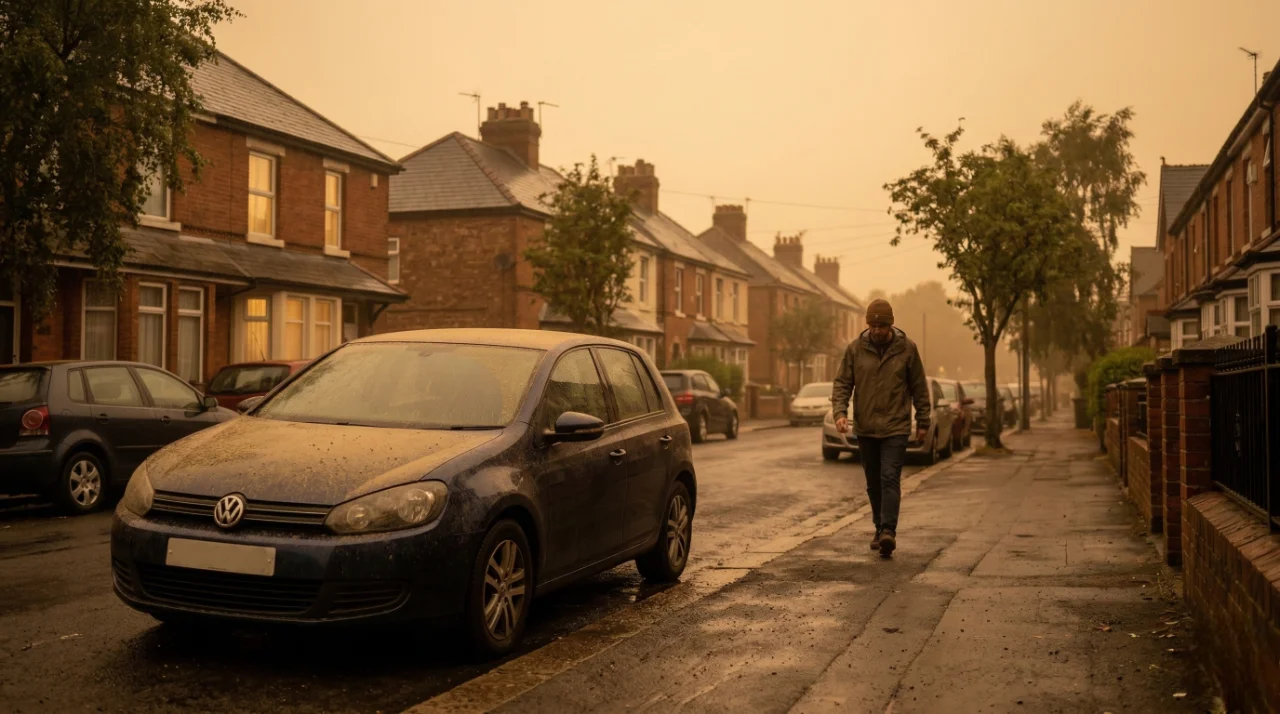
You wake up to a hazy orange sky and find your car covered in a yellowish-brown grit. This is a Saharan dust cloud. Transboundary dust travelling from North Africa to the UK is a common weather event, not an apocalyptic anomaly. While the resulting skies look stunning, you must understand the real risks. Protecting your respiratory health and preventing severe damage to your car’s paintwork are essential steps during these weather fronts.
A Saharan dust cloud is a mixture of sand and dust transported from North Africa to the UK by strong southerly winds. While it causes spectacular red sunsets and leaves a dirty residue on cars, it also raises PM10 and PM2.5 air pollution levels, which can trigger asthma and other respiratory conditions.
Key Takeaways
- Saharan dust reaches the UK several times a year via upper atmosphere winds.
- The phenomenon is an official source of PM10 and PM2.5 particulate pollution.
- Vulnerable groups, particularly those with asthma, should monitor the Daily Air Quality Index (DAQI).
- Genuine “blood rain” is incredibly rare in the UK; usually, it is just a brownish residue.
- The abrasive sand can severely scratch car paint and glass if wiped dry.
Quick Start: Saharan Dust Health & Safety Checklist
Use this quick checklist to minimise disruption during a transboundary dust event:
- Check the DEFRA UK-AIR website for your local Daily Air Quality Index (DAQI).
- Limit strenuous outdoor exercise if the DAQI reading is “Moderate” or “High”.
- Ensure your asthma reliever inhaler is easily accessible and in-date.
- Keep home and car windows closed during peak atmospheric dust concentrations.
- Delay washing cars or outdoor windows until the weather front has completely passed.
What Exactly is a Saharan Dust Cloud?
The Science Behind the Journey
Strong southerly winds lift sand and dust from the Sahara Desert into the upper atmosphere. These winds transport the fine particulate matter over vast distances. The dust often travels up to 8,000 kilometres before reaching the UK.
As Professor Claire Ryder from the University of Reading explains, “The dust particles are smaller than a grain of hair and can stay in the air for a long time.” You can track these weather patterns using Met Office atmospheric dispersion research updates.
‘Blood Rain’ Explained: Fact vs Fiction
News outlets often use the term “blood rain” to describe this event. However, genuine red rain requires very high dust concentrations and is extremely rare in the UK.
What actually happens is that standard rain washes the dust out of the sky. This process leaves a yellowish or brownish film on outdoor surfaces. Sky News presenter Jo Wheeler notes, “Saharan dust is most spectacular when delivered by rainfall, leaving a blood red residue on cars.”
Common mistake: Do not assume a rain shower will wash the dust safely off your car. Rain actually brings the atmospheric dust down to surface level, creating the abrasive grit that damages property.
How Does Saharan Dust Affect UK Weather?
Vivid Sunsets and Hazy Skies
Airborne Saharan dust scatters sunlight. This optical effect frequently creates more vivid and intensely coloured sunrises and sunsets across the UK.
In March 2022, a large dust plume swept across Europe into the UK. This event caused the sky to turn a vivid orange hue across Sussex, Kent, and London due to this light scattering effect.
Localised Pollution Traps
The dust does not just alter the colour of the sky. When Saharan dust combines with light winds and stable atmospheric conditions, it acts like a lid.
This prevents local urban air pollution from dispersing, which quickly compounds poor air quality. For instance, in March 2026, a massive dust plume carried by Storm Regina led to hazy skies and significant dust deposits across southern and central England.
Health Impacts: Is the Dust Cloud Dangerous?
The UK government officially classifies Saharan dust as a natural source of Particulate Matter (PM10 and PM2.5) air pollution. During severe dust events, the UK’s Daily Air Quality Index (DAQI) often shifts from “Low” to “Moderate” or “High” pollution bands.
You can use the table below to understand how these bands affect different groups.
| DAQI Pollution Band | General Population Advice | Vulnerable Groups (Asthma, Heart/Lung Conditions) |
| Low (1-3) | Enjoy your usual outdoor activities. | Enjoy your usual outdoor activities. |
| Moderate (4-6) | Enjoy your usual outdoor activities. | Consider reducing strenuous outdoor physical exertion. |
| High (7-9) | Anyone experiencing discomfort should consider reducing activity. | Reduce strenuous outdoor physical exertion. Keep inhalers close. |
| Very High (10) | Reduce physical exertion, particularly outdoors. | Avoid strenuous outdoor physical exertion entirely. |
Asthma and Respiratory Risks
While the dust is harmless to most of the general public, it can trigger serious health alerts for individuals with asthma and other lung conditions. Dr. Andy Whittamore from Asthma + Lung UK states, “Dust and other types of air pollution are a well-known trigger for people with lung conditions.”
Consider a typical scenario during a severe dust event. An individual with asthma hears about an incoming Saharan dust plume. They check the DEFRA UK-AIR DAQI portal and note their region has hit “High” (Band 7). Acting on official advice, they move their daily run indoors to a treadmill and ensure their reliever inhaler is in their pocket.
Mid-Article Summary
- Dust travels thousands of miles and eventually settles via rainfall.
- It frequently pushes UK air pollution to “Moderate” or “High” levels.
- Asthmatics must keep reliever inhalers close and reduce intense outdoor exercise.
The Motorist’s Guide: Removing Saharan Dust from Your Car
The abrasive nature of Saharan sand is a primary concern for property damage. When a typical UK motorist wakes up after a brief rain shower to find a yellowish-brown film over their car, they must act carefully. Knowing the grit is highly abrasive, a smart owner completely avoids using their windscreen wipers, which would instantly scratch the glass.
Follow these exact steps to prevent abrasive Saharan sand from scratching your car paint:
- Do NOT activate your windscreen wipers or use a dry microfibre cloth to wipe away the dust.
- Use a garden hose or pressure washer to aggressively rinse away all loose dust and sandy residue.
- Apply a contactless pre-wash solution, like snow foam, and allow it to sit for a few minutes to lift stubborn particles.
- Rinse the vehicle a second time before applying any physical contact with a wash mitt or sponge.
Pro Tip: Wait for the Met Office to confirm the dust plume has fully passed before paying to wash your car or cleaning your home’s exterior windows. Otherwise, you may have to do it twice.
Essential Pro Tips for the Next Dust Event
- Keep Windows Closed: If you are sensitive to air pollution and the weather is calm, keep your windows closed. Stable atmospheric conditions prevent the dust from dispersing quickly.
- Photography Opportunities: Look to the skies during sunrise and sunset. Airborne Saharan dust scatters sunlight, creating exceptionally vivid and intensely coloured displays.
- Learn from Past Events: In September 2023, Saharan dust combined with a late-summer heatwave to trigger moderate to high air pollution alerts. This event prompted official health warnings for people with respiratory conditions, proving that you should take these forecasts seriously.
Summary
While a Saharan dust cloud makes for great sunset photos and sensational headlines, the real focus should be on practical preparations. By monitoring local air quality and knowing how to safely clean your property, you can navigate these common weather events without risking your health or scratching your vehicle.
Next Steps:
- Check today’s air quality on the DEFRA UK-AIR website.
- Check your asthma reliever inhaler expiry date.
- Pre-rinse your car with a hose before your next vehicle wash.
FAQs
What is a Saharan dust cloud?
It is a mixture of sand and dust from the Sahara Desert that strong southerly winds transport to the UK in the upper atmosphere.
Is Saharan dust dangerous to breathe?
For most people, it is harmless. However, it increases PM10 and PM2.5 pollution, which can trigger symptoms in people with asthma and other respiratory conditions.
How often does Saharan dust hit the UK?
The phenomenon is relatively common, typically occurring several times a year when desert dust storms align with specific wind patterns.
What is blood rain?
“Blood rain” is a media term for rain mixed with high concentrations of red dust. Genuine red rain is extremely rare in the UK; you are much more likely to see a thin, brownish film on surfaces.
Does Saharan dust scratch car paint?
Yes. The sand is highly abrasive. You should never wipe it dry or use your windscreen wipers to clear it, as it will scratch glass and clear coats.
Should I keep my windows closed during a dust cloud?
If you have asthma or a lung condition, keeping windows closed during peak pollution hours is a good idea, especially if the air is still and the dust cannot disperse.
How long does a Saharan dust cloud last over the UK?
A typical dust event usually lasts between one and three days, depending on how quickly the prevailing weather fronts move across the country.
About the Author