The Bajau People are truly one of the world’s most unique groups. Many people call them the “Sea Nomads” or “Sea Gypsies.” They have lived on the water for hundreds of years. They call the oceans of Southeast Asia their home. You can find them living in places like Indonesia, Malaysia, and the Philippines. For these families, the ocean is everything. It provides their food, their shelter, and their way of life. It is like they were born to be on the water.
Living Life on the Open Water
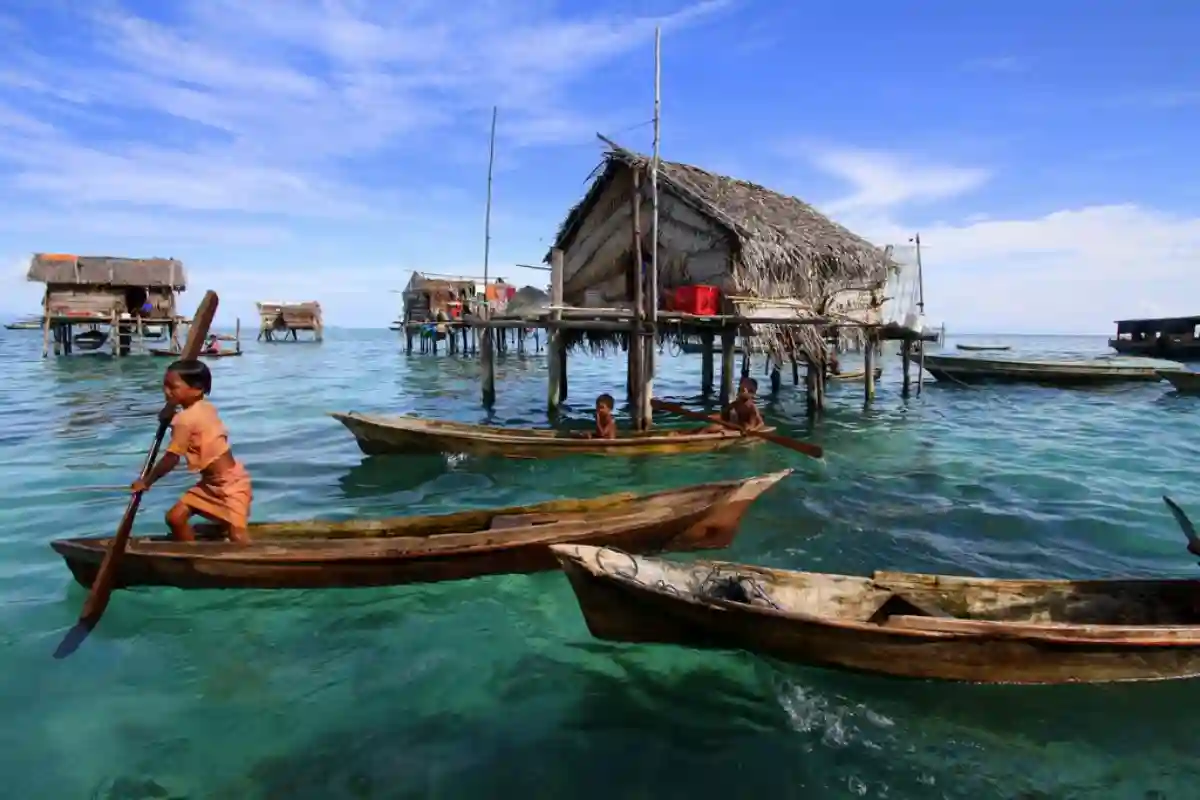
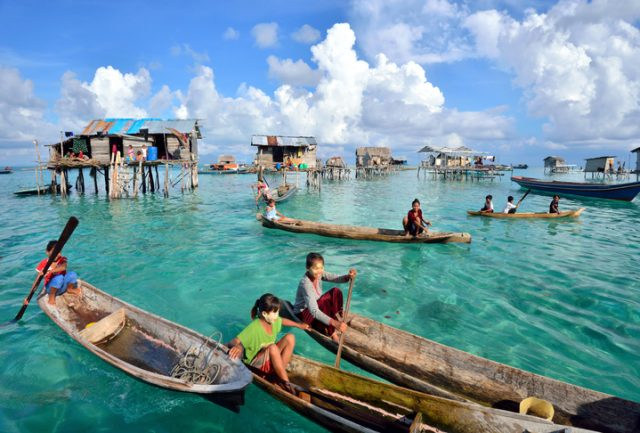
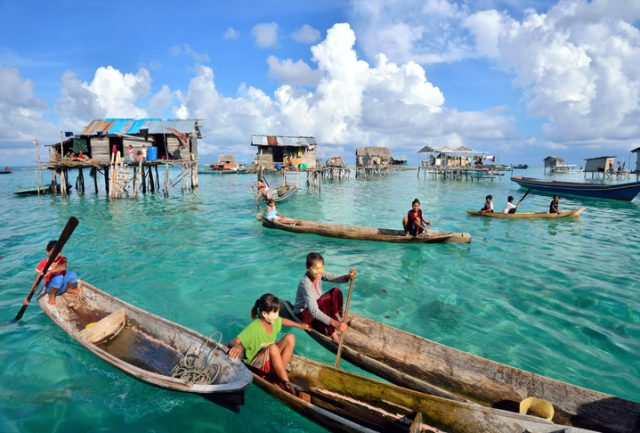
For centuries, the bajau people lived almost entirely on boats. They used small, hand-crafted wooden boats called lepa-lepa. These boats served as both their transportation and their cozy floating homes. Today, some families live in houses built on stilts above the shallow sea. Even in these homes, they stay very close to the water. They rarely need to go to land for anything important. The ocean is their backyard, their grocery store, and their community hub all at once.
Incredible Underwater Diving Abilities
The most famous thing about the bajau people is their talent for diving. They are world-class free divers. They can stay underwater for many minutes to hunt for fish and sea life. They do not use fancy scuba gear. Instead, they use simple handmade goggles and spears. Scientists have studied these amazing divers to see how they do it. It turns out, they have a natural physical edge. Many of the bajau people have larger spleens. This helps them store more oxygen in their blood while diving deep.
A Deep Genetic Connection to the Sea
Research shows that the bajau people have a special genetic adaptation. This means their bodies have evolved over a long time to thrive in the water. One specific gene helps control spleen size. This isn’t just about training or practice. It is a rare example of human evolution happening right before our eyes. It allows them to hunt in the deep sea with ease. This natural skill makes them legendary in the world of free diving and ocean exploration.
Traditional Fishing Methods
Fishing is the heartbeat of the bajau people community. They practice sustainable fishing to keep the ocean healthy. They use nets, traps, and spears to catch only what they need. By avoiding harmful methods, they show great respect for the marine environment. Many bajau people teach their kids how to fish at a very young age. This skill is passed down from parents to children. It keeps their traditions alive and ensures their families stay fed through the years.
Growing Up on the Ocean
Life for a bajau people child is very different from most kids. They learn to swim before they can walk well. The water is their playground and their classroom. Instead of sitting in a school, they learn by doing. They paddle boats, catch small crabs, and explore the reefs. This hands-on learning builds confidence and survival skills. They grow up with a deep respect for the tides and the waves. It is a very simple but very beautiful way to grow up.
Spiritual Connection to the Sea
The bajau people feel a strong spiritual bond with the ocean. They believe the sea is alive with spirits that must be honored. Before they head out on a big trip, they might perform special rituals. These ceremonies ask for protection and good luck. They treat the ocean as a sacred place, not just a resource. This belief system helps them stay humble. It reminds them that they are part of a much larger natural world.
Navigation Without Modern Tools
Long ago, the bajau people did not have GPS or phones to find their way. They used their deep knowledge of nature to navigate the vast seas. They watched the stars in the night sky to stay on course. They also studied wave patterns and the flight paths of birds. By watching the water’s temperature and color, they could find the best fishing spots. This skill is a testament to their intelligence and their long history as expert seafarers.
Challenges and Changing Times
Sadly, the traditional lifestyle of the bajau people is facing many modern challenges. Some countries have restricted their movement. This makes it hard for them to follow the migration of fish. Others are moving to land to find steady jobs or better schooling. Tourism and pollution also threaten their coral reef homes. It is a time of big change for these sea nomads. Balancing their ancient traditions with the modern world is a daily struggle for them.
Cultural Arts and Traditions
The bajau people have a rich culture full of music and dance. They use instruments like flutes and gongs to create beautiful sounds. These performances are often held at weddings or community gatherings. They also make lovely crafts from shells and wood. Their boat decorations are famous for their unique designs and colors. Every piece of art tells a story about their life at sea. It shows their creativity and their pride in their heritage.
How We Can Help Preserve Their Legacy
We can help by learning about the bajau people and respecting their way of life. Supporting eco-tourism is one way to ensure their traditions are valued. We should also speak up against harmful fishing practices that ruin their environment. When we value their culture, we help protect it for future generations. Their story reminds us of the power of human resilience and our connection to nature. Let’s make sure their beautiful culture continues to thrive.
Detailed Overview Table
| Feature | Details |
| Common Names | Sea Nomads, Sea Gypsies, Sama-Bajau |
| Home Region | Indonesia, Malaysia, Philippines (Southeast Asia) |
| Primary Lifestyle | Nomadic or semi-nomadic seafaring |
| Diving Skills | Deep-sea free diving, long breath-holds |
| Physical Trait | Larger-than-average spleens for oxygen storage |
| Main Food Source | Fish, octopus, sea cucumbers, seaweed |
| Traditional Boat | Lepa-lepa (wooden houseboats) |
Frequently Asked Questions
1. Are the Bajau people really able to stay underwater for long?
Yes! Through their natural physical traits and years of experience, many bajau people can stay submerged for several minutes while hunting.
2. Where exactly do the Bajau people live?
They primarily live in the coastal waters of Southeast Asia, specifically across the Philippines, Malaysia, and Indonesia.
3. Why do the Bajau people have larger spleens?
Scientists have found that a specific gene helps them develop larger spleens. This acts like a biological oxygen tank for their blood.
4. Do the Bajau people still live on boats?
Some still do, but many have moved to stilt houses built over the water to adapt to changing modern laws and needs.
5. How do the Bajau children learn?
They learn by doing! Kids are immersed in daily tasks like fishing and swimming, gaining wisdom directly from their parents and the sea.
6. Is the Bajau way of life disappearing?
It is changing. Because of environmental issues and modern borders, many are settling on land, though they keep their sea-bound identity strong.
Conclusion
The bajau people offer us a beautiful lesson in living in harmony with nature. Their unique skills and deep-rooted traditions are a treasure to our world. We should celebrate their history and support their efforts to stay connected to the sea. If you found this story inspiring, please share it with your friends! Let’s keep the spirit of these ocean legends alive.
About the Author