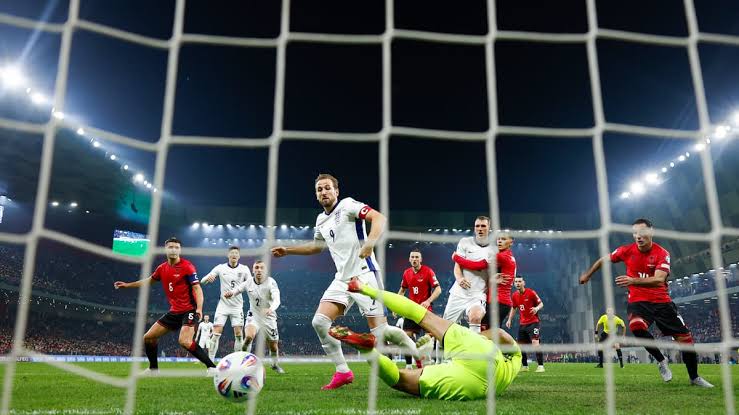
England entered the 2026 World Cup with high expectations and hopes of winning the tournament. As in every major competition, fans believe this talented squad has what it takes to compete for the title. The challenge is proving they can perform when the pressure is at its highest.
Talent alone will not be enough for England to succeed. Strong teamwork, discipline, smart tactics, and the ability to adapt during matches will all play important roles. If England can get those things right, they have a good chance of making a deep run in the tournament.
Thomas Tuchel’s Ruthless Pragmatism
Tuchel’s clearest early message was that reputation alone would not guarantee a place. His selections suggest he values structure, discipline, and clearly defined tactical roles over simply packing the squad with famous attacking names.
England World Cup odds will likely be shaped not only by the talent available but also by how well Tuchel’s role-based approach works under pressure. That approach gives England a clearer identity, even if it disappoints fans who wanted more creative names included. The plan still revolves around Harry Kane, whose scoring, link play, and leadership make him the player who gives England’s attack its rhythm.
Acclimatization and North American Weather
The 2026 World Cup brings a different kind of challenge because conditions across North America can be difficult during the summer. Heat, humidity, long travel, and changing time zones can all affect performance. For a squad built mostly around Premier League players, managing energy may be just as important as managing tactics.
England has been hurt by demanding climates before, which makes preparation especially important. Heated training sessions in the United Kingdom and an acclimatization camp in Florida indicate the team is taking the conditions seriously. Tuchel’s ability to rotate players, manage fatigue, and control match tempo could prove important in tight matches.
Resolving the Midfield Balance
England’s midfield has often been full of quality, but balance has been harder to solve. The team has sometimes struggled to control matches against elite opponents, especially when the tempo rises and space disappears. Tuchel must find a midfield shape that can defend, pass, press, and still support the attack.
Declan Rice provides England with an important base thanks to his defensive awareness and physical presence. The emergence of Elliot Anderson adds another option in midfield, particularly if England want a balance of energy and control in that role. The No. 10 decision also matters, with Morgan Rogers offering intensity and Jude Bellingham bringing goal threat and big-game influence.
Defensive Vulnerability and Roster Turnover
England’s defense enters the tournament with fresh questions. Harry Maguire’s absence removes a familiar figure who had been part of several major tournament runs. Marc Guéhi and Ezri Konsa are expected to carry major responsibility, and their communication will need to develop quickly.
The late loss of Tino Livramento added another complication. His training injury forced England to bring Trevoh Chalobah into the squad just before the tournament rhythm had fully settled. Tuchel now has to ensure the backline stays controlled, since dropping too deep against stronger opponents could invite sustained pressure and expose England in dangerous areas.
A Tennis Style Draw Advantage
England’s draw could become one of their biggest advantages if they handle the group properly. Finishing top of Group L may give them a cleaner route through the early knockout rounds. That matters because building confidence can be important before facing the strongest teams in the tournament.
Still, a favorable route is only useful if England takes care of the matches in front of them. World Cups often punish teams that look too far ahead or assume they have an easier path. England may benefit from avoiding some major contenders early, but they will eventually need to prove they can beat elite opposition when the moment arrives.
The Pressure of Ending the Wait
No England World Cup campaign exists without pressure. The players carry the expectations of fans, media, and a football culture that has spent decades waiting for another men’s world title, with every performance now measured against that long-running ambition. That pressure can make every team selection, substitution, and performance feel larger than it really is.
Tuchel’s challenge is to keep the squad focused on the football rather than the noise around it. His direct style may help, as he does not appear to be interested in sentimental choices. England may not always play the most exciting football, but if they become harder to beat, that could matter more in a tournament setting.
England’s Path Forward
England’s success will depend on how well they handle the small but important details. Tuchel has given the team structure, but they still need to stay consistent in every match. Kane will remain key in attack, while the rest of the squad must support him with control and balance. Managing pressure, fatigue, and changing match conditions will also be crucial. If they get these things right, England can mount a serious challenge for the title.
About the Author