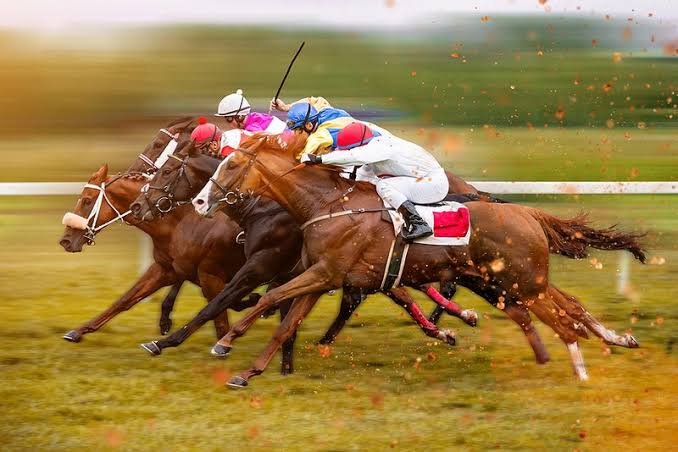
Horse Racing
Horse racing punters often spend hours studying form guides, pedigree charts and trainer stats before placing a wager. A sudden downpour or an unexpected heatwave can ruin all that preparation in minutes.
Weather dictates the state of the track, and the track dictates how horses run and which ones hold a genuine advantage. Read on to see how ground conditions move the odds, and how you’ll spot the winners when the weather turns.
How the Going Changes Race Outcomes
The Significance of the GoingStick
In British racing, the ground condition is known as ‘the going’. Clerks of the course assess it using a GoingStick, which measures how far a probe penetrates the turf and how much resistance it meets. On turf, the working scale runs from Firm at the driest end through Good to Firm, Good, Good to Soft, Soft and Heavy at the wettest.
You’ll also see a numerical GoingStick reading published alongside the description. Roughly, anything above 10 means Firm, around 8 is Good, near 6 is Good to Soft, and below 4 is properly Heavy.
One thing to keep in mind: the same reading can mean different things at different courses, because soil structure and drainage vary. A 7.7 at Haydock might be Good to Soft, while the same number at Leicester could be Good to Firm. Compare readings against a course’s own history, not a universal scale.
What This All Means
A horse that flies across a good-to-firm track at Newmarket might struggle in the deep mud at Haydock. Ground conditions dictate how much energy a horse spends on every stride. Heavy ground demands serious stamina. The mud clings to the hooves and turns the race into a gruelling test of endurance rather than speed.
Firm ground suits lighter, faster types that can use quick stride patterns to skip across the surface. Punters who ignore the going report often wonder why a short-priced favourite finishes at the back of the field.
Different tracks also react uniquely to rain. Newmarket sits on a chalk base and drains quickly, so the ground rides on the faster side most of the season. Others turn into bogs after an hour of steady drizzle. Check how a specific venue handles rain before you back anything based on morning form.
How Rain and Wind Affect the Odds
Rain does more than soften the turf. It changes how a race is run from a tactical perspective. Jockeys will often look for fresher ground, which usually means moving away from the inside rail towards the centre of the track. That changes the standard racing lines and can disadvantage horses drawn in specific stalls.
Wind is another overlooked factor. A strong headwind in the home straight will force front-runners to do all the hard work, shielding those tucked in behind. Before you back a horse, check the wind direction and ask whether the leaders will burn out before the finish line.
Smart punters track these changes right up to the first race. When unexpected weather flips the form book upside down, comparing online betting offers will give you a bit more room to react without over-committing your stake.
How to Spot Mudlarks and Sun Lovers
Some horses simply love bad weather. These are known as mudlarks, and they thrive when the ground turns soft or heavy. They usually have a specific, round action where they lift their knees high, which stops them from getting stuck in the mud. Spot that trait in a horse and you’ll have a real edge when the heavens open.
Other horses need the sun on their backs and a quick surface. These sun lovers tend to have a flatter, sweeping stride that skims the ground and needs firm going for maximum propulsion. If a horse with a brilliant record on firm ground meets a muddy track, expect its performance to drop off sharply.
You’ll find this information in a horse’s past performance history broken down by going. Look for patterns where a horse consistently wins on soft but flops on good-to-firm, or the other way round. That historical data is far more reliable than generic tips or gut feelings.
Read the Going, Then Read the Sky
Weather and ground conditions will dictate the outcome of almost every race. They change how horses move, alter track safety and influence how jockeys ride. Watch the going reports, check the local forecast before the first race, and you’ll stay a step ahead of the general public.
Instead of sticking blindly to your initial picks, be ready to change your strategy as the rain falls or the sun dries out the turf. That flexibility will separate successful punters from those who lose their stakes to unpredictable track changes. Focus on the data, watch the skies, and use track conditions to build a more accurate picture of every race.
About the Author