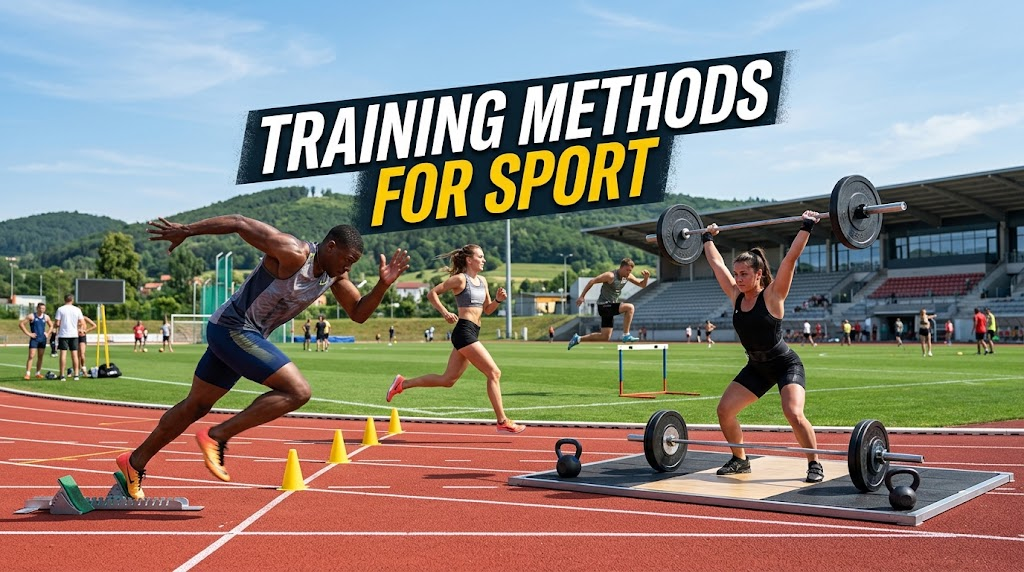
Are you ready to level up your game? Whether you love running, kicking a soccer ball, or shooting hoops, the way you practice matters. Smart Training Methods for Sport can turn a good player into a great one. But how do you know what works? Forget long, boring workouts. Today, we are looking at fun, proven ways to build real athletic skill.
What Are Training Methods for Sport?
Training methods for sport are simply the step-by-step plans athletes use to get better. Think of them as a map for your fitness journey. Just like you would not bake a cake without a recipe, you should not play a sport without a plan. These methods include running drills, lifting weights, practicing skills, and letting your body rest. When you mix them up the right way, your body gets stronger, faster, and smarter. Every great player you see on TV uses these exact tools every single day to stay at the top of their game.
Why Practice Smarter, Not Harder
In the past, people thought the secret to sports was just sweating for hours until you dropped. We now know that is not true. Practicing smarter means focusing on quality over quantity. If you spend an hour doing sloppy drills, you only teach your brain bad habits. But if you spend twenty minutes doing high-focus, game-like movements, you build real muscle memory. This approach saves your energy, keeps you safe from annoying injuries, and makes your practice time way more fun. You will see big improvements much faster when you train with a clear purpose.
Building a Strong Base With General Conditioning
Before you worry about fancy tricks, you need a strong foundation. General conditioning is all about building basic fitness like endurance, core strength, and flexibility. Think of it as building the sturdy walls of a house before you paint the rooms. When your general conditioning is solid, you will not get tired as fast during a long match. You can jog around the field, chase down a loose ball, or jump high in the final minutes of a game without running out of gas. Simple bodyweight exercises like push-ups, planks, and light jogging are great places to start.
Mastering Skills With Repetition and Focus
Skill training is where the magic happens. This is when you practice the exact movements you need during a real game, like dribbling a basketball or passing a soccer ball. The secret here is doing it over and over again until your body just knows what to do without thinking. When I first started coaching young athletes, I noticed that kids who practiced their basic touches every single day became unstoppable on the field. They did not have to look down at the ball anymore. Their feet moved on autopilot, leaving their eyes free to scan the whole game.
The Power of Speed and Agility Drills
Sports happen fast. One second you are standing still, and the next you are sprinting across the pitch. That is why speed and agility training is so important for every athlete. Agility means being able to change direction quickly and smoothly without losing your balance. You can practice this with fun tools like agility ladders, cone weaving drills, or quick shuttle runs. These exercises train your nervous system to talk to your leg muscles faster. When game day arrives, you will feel lighter on your feet and ready to dodge past any opponent who tries to block you.
Getting Stronger With Resistance Training
Strength training does not mean you have to lift heavy, scary iron weights right away. For most sports, building functional strength is about using resistance to make your muscles work harder. This could mean using stretchy resistance bands, doing bodyweight squats, or holding a plank position. When your muscles are strong, they act like natural armor for your joints. You can run faster, jump higher, and absorb hard bumps or tackles without getting hurt. Strong legs and a solid core are your best friends in almost every single competitive sport out there.
Why Rest and Recovery Are Your Secret Weapon
Here is a big secret that many beginners forget: your muscles do not actually get stronger while you are working out. They get stronger when you rest! When you exercise, you create tiny, invisible tears in your muscle fibers. Rest gives your body the quiet time it needs to patch those fibers back up, making them even tougher than before. If you never take a day off, your body stays broken down and tired. Taking a day to chill, sleep eight full hours, and eat healthy food is just as important as the hard sweat sessions on the field.
Fueling Your Body Like a Pro Athlete
You wouldn’t put cheap, watered-down gas into a race car and expect it to win, right? Your body is the same way. What you eat and drink acts as the fuel for your athletic journey. Eating a mix of good proteins like chicken or beans, healthy carbs like rice and fruit, and plenty of water gives your muscles the power they need to perform. I always tell young players to drink water before they feel thirsty and to grab a healthy snack like a banana after practice. Good fuel equals high energy, sharp focus, and a much faster recovery time.
Tracking Progress and Setting Smart Goals
How do you know if your training is actually working? You have to track your progress! Setting small, fun goals gives you something exciting to chase every single week. Instead of saying, “I want to be the best player ever,” try saying, “I want to juggle this soccer ball twenty times without dropping it by Friday.” Write your goals down in a little notebook and check them off as you smash them. Looking back at how far you have come is one of the best ways to stay motivated when practice gets tough.
Staying Safe and Preventing Injuries
Nothing slows down an athlete faster than an annoying injury. The best way to stay on the field is to stop injuries before they even start. Always take five to ten minutes to warm up your muscles with light jogging and dynamic stretches before you play. Never skip your cool-down stretches at the end either, because they help your tight muscles relax. If something hurts during a workout, stop and listen to your body. Pushing through sharp pain is never a good idea. Taking care of your body today means you get to play the sport you love tomorrow.
Detailed Training Methods Breakdown
| Training Type | Main Goal | Best Exercise Example | Weekly Frequency |
| General Conditioning | Build base endurance | Light jogging & planks | 2–3 times |
| Skill Practice | Master game movements | Passing drills against a wall | Daily |
| Speed & Agility | Move faster and pivot | Agility ladder footwork | 2 times |
| Resistance Work | Build strength & power | Bodyweight squats & bands | 2 times |
| Recovery | Repair muscle tissue | Stretching & full rest | 1–2 days |
Frequently Asked Questions
What are the best training methods for sport?
The best training methods combine skill drills, general fitness conditioning, agility exercises, and proper rest. Mixing these elements helps you build balanced athletic skills safely and quickly.
How often should an athlete train each week?
Most athletes benefit from training four to five days a week, leaving two to three days for active recovery and complete rest to let their muscles rebuild and grow stronger.
Do young athletes need to lift heavy weights?
No! Young athletes do not need heavy iron weights. They can build amazing foundational strength using bodyweight exercises like push-ups, lunges, and fun resistance bands.
Why is agility training so important in sports?
Agility training teaches your brain and muscles to change direction quickly and smoothly. This helps you dodge opponents, avoid collisions, and react faster during fast-paced games.
How can I prevent sports injuries?
You can prevent injuries by always doing a dynamic warm-up before you play, wearing proper footwear, listening to your body when you feel tired, and never skipping your cool-down stretches.
What should I eat before a big game?
Eat a light meal with easy-to-digest carbohydrates and a little protein about one to two hours before playing. Bananas, oatmeal, or a piece of toast with peanut butter work great.
Conclusion
Mastering the right training methods for sport does not happen overnight, but every small step you take brings you closer to your goals. Remember to practice smart, fuel your body with good food, and always give yourself time to rest and recover. Stay consistent, keep having fun out there on the field, and watch how much your skills grow! What sport are you going to practice today? Grab your gear, head outside, and let’s make it happen!
About the Author