Artificial Flowers for Graves: UK 2026 Regulations and Durable Selection Guide
Finding a removal notice on a loved one’s grave is a specific kind of heartbreak. You chose those flowers with care. You placed them to honour a memory. Then, seemingly without warning, they are gone, removed by council staff or church wardens enforcing bylaws you likely never knew existed.
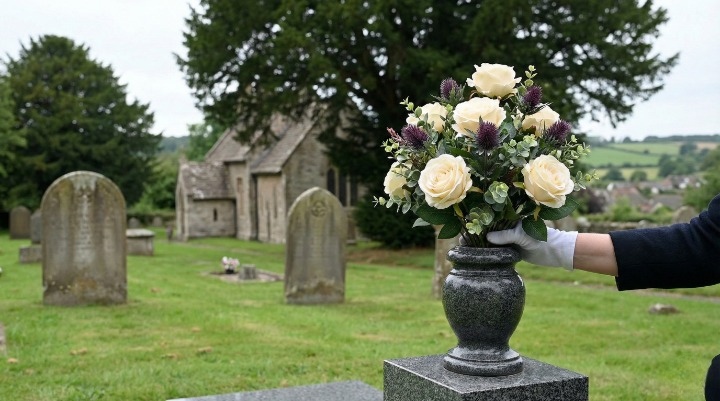
This is becoming a common reality across the UK in 2026. As councils grapple with environmental targets and safety concerns, the rules surrounding artificial flowers for graves are tightening. While silk tributes offer a durable, cost-effective alternative to fresh blooms that wither in days, they now sit at the centre of a heated debate between bereaved families and cemetery management.
This guide cuts through the confusion. We will clarify the specific 2026 legal landscape across Church of England churchyards and municipal cemeteries, and provide expert advice on selecting weather-resistant tributes that comply with these evolving standards.
Can You Put Artificial Flowers on a Grave in the UK? (2026 Update)
The answer depends entirely on who owns the land. There is no blanket “yes” or “no” for the entire UK. The regulations for a parish churchyard in the Cotswolds differ vastly from a municipal cemetery in Manchester. Understanding this distinction is the first step to avoiding wasted money and emotional distress.
The Church of England vs. Municipal Cemeteries
If your loved one rests in a consecrated Church of England churchyard, the rules are strict.
According to the Chancellor of the Diocese of Gloucester’s Churchyard Regulations (updated 2025/2026), and similar rules across dioceses like Oxford and Ely, artificial flowers are generally prohibited. The Church views the churchyard as a holy place that should reflect the natural order of creation.
The theological stance is that flowers should wither and decay, mirroring the cycle of life and death. Plastic and silk do not follow this cycle.
Key Takeaway: In most active churchyards, only fresh flowers and natural wreaths are permitted. Any artificial tributes found are liable to be removed immediately by the churchwarden or incumbent without notice.
Municipal (Council-Run) Cemeteries operate differently. They are managed by local authorities (like Croydon Council or Southend City Council). Here, regulations are often more flexible regarding materials, but stricter regarding dimensions and safety.
Most councils acknowledge that daily visits to water fresh flowers are impossible for many families. Therefore, artificial flowers for graves are typically permitted, provided they are:
- Contained within approved vases (not loose).
- Kept within the “memorial footprint” (the stone base).
- Maintained regularly so they do not look tatty or sun-bleached.
Why Some Councils Are Now Banning Silk Memorial Flowers
While councils are more lenient, a shift is happening. In 2026, we are seeing a rise in “plastic-free” zones within municipal cemeteries.
The primary driver is safety, not aesthetics.
I spoke recently with a groundskeeper from a cemetery in Buckinghamshire who explained the hidden danger of cheap artificial tributes. Many budget silk flowers have rigid wire stems running through the plastic. When these blow out of their pots and land in the long grass, they become invisible hazards.
If a ride-on mower hits a wire stem, it can shred the metal, turning it into shrapnel that risks injuring the operator or damaging expensive machinery.
Consequently, strict bylaws often state: “Glass, pottery, and wire-supported flowers are strictly prohibited.” If your tribute has a metal core or is in a breakable container, it will be removed during routine maintenance sweeps.
Understanding UK Cemetery Regulations for Artificial Tributes
Before you purchase a tribute, you must check the specific bylaws for your cemetery. However, most UK burial grounds enforce a common set of standards in 2026 to ensure uniformity and ease of maintenance.
Permitted Materials: Silk vs. Plastic vs. Biodegradable
- High-Quality Silk (Polyester): The most accepted material in council cemeteries. Modern “real touch” latex-coated fabrics are preferred because they withstand UK rain without bleeding dye onto the headstone—a common issue with cheaper fabrics.
- Hard Plastic: Generally frowned upon. Rigid plastic flowers tend to crack in frost and fade rapidly in UV light, leading to a “neglected” appearance that prompts removal.
- Biodegradable Alternatives: As of 2026, materials like wood shavings, wool, and dried natural flora are gaining traction. These are often the only “artificial” options allowed in natural burial grounds or strict churchyards.
The “10cm Rule” for Grave Flower Pots in the UK
The standard dimensions for grave accessories are not arbitrary. Most memorial masons in the UK drill flower container holes to a standard diameter.
The Standard:
- Base Diameter: 10cm (4 inches).
- Height: 10cm–12cm.
- Lip: A wider rim to sit flush against the stone.
If you buy a pot that is too narrow, it will wobble and blow away. If it is too wide, it simply won’t fit.
The “Weighted” Requirement: In the UK, wind is the enemy. A plastic pot filled with Styrofoam and silk flowers weighs almost nothing. A gust of 30mph, common in a British autumn, will lift it straight out of the headstone base.
Councils like Almondsbury Parish Council stipulate that tributes must be secure. They do not want staff spending hours collecting stray pots from the fence line.
Mandatory Removal Dates (Candlemas and Christmas Wreaths)
Seasonal tributes are subject to strict “sunset clauses.” You cannot leave a Christmas wreath on a grave until Easter.
Most local authorities and churchyards enforce a specific removal deadline for winter decorations.
- The Date: The traditional cut-off is Candlemas (February 2nd).
- The Rule: Any Christmas-themed items (wreaths with baubles, holly, artificial poinsettias) remaining after the first week of February are mass-removed and disposed of.
Mark this date in your calendar. Grounds staff do not have the time to store items. If you want to save a high-quality wreath for next year, you must collect it before February starts.
How to Choose Weatherproof Grave Flowers That Last
Investing in artificial flowers for graves is only cost-effective if they survive the British weather. A cheap bunch from a discount store will look grey and tattered within six weeks.
UV-Stabilised vs. Standard Silk Memorial Flowers
Standard fabric dyes break down under ultraviolet light. Even in a cloudy UK, UV radiation is strong enough to bleach red roses to a pale pink and turn green leaves blue within three months.
Look specifically for “UV-Stabilised” or “UV-Resistant” labels. These products have a UV blocking agent mixed into the fabric dye or latex coating during manufacturing.
My Recommendation: If you cannot find pre-treated flowers, you can treat them yourself. You can purchase UV protection sprays (often sold for outdoor furniture or tents) from hardware stores. A light misting can extend the colour vibrancy of a silk arrangement by 6–12 months.
Wind-Resistant Designs: The Benefit of Grave Spikes and Liners
Gravity is your best friend when securing a tribute.
Pro-Tip: The Pea Shingle Hack
Many people make the mistake of using floral foam (Oasis) alone. It is too light.
Do this instead:
- Take your standard black grave pot.
- Fill the bottom third with dry pea shingle or aquarium gravel.
- Place your floral foam on top of the gravel.
- Arranging your flowers into the foam.
This adds vital weight to the base, lowering the centre of gravity. The pot will sit heavily in the headstone hole and is far less likely to be “sucked out” by high winds. This is compliant with council rules because the stones are inside the pot, not loose on the grass.
For graves without a headstone vase, use grave spikes. These plastic vases have a long, sturdy spike at the bottom that drives into the turf. Ensure you push it flush with the ground so it doesn’t wobble, but be aware: some cemeteries ban these because they obstruct mowers. Always check your local council’s cemetery bylaws first.
The Environmental Impact: Moving Toward Sustainable Memorials
The conversation around memorials is changing. In 2026, the environmental cost of “eternal” plastic flowers is under scrutiny.
The 2026 Microplastic Movement in UK Burial Grounds
Floral foam (often green blocks used to hold stems) is a microplastic. It crumbles into dust, washes into the soil, and never biodegrades.
According to recent industry reports from The Sustainable Floristry Network, there is a growing push to ban foam completely in UK burial sites. The Church of England General Synod has debated motions to eliminate non-compostable materials from churchyards to protect local biodiversity.
As a consumer, you can future-proof your tribute by avoiding foam. Use wire cages or compacted moss to hold stems in place within the pot. It requires a bit more skill to arrange, but it ensures your tribute won’t be rejected if strict “plastic-free soil” rules are introduced in your area.
Maintenance Tips: Keeping Artificial Tributes Looking Natural
Nothing prompts a council removal faster than a grave that looks abandoned. Artificial flowers are not “set and forget.”
How to Prevent Fading and “Plastic-Looking” Wear
To keep artificial flowers for graves looking respectful and high-quality:
- Rotate Seasonally: Do not leave summer lilies out in November. Changing flowers with the seasons (daffodils in spring, roses in summer, chrysanthemums in autumn) signals to grounds staff that the grave is visited and cared for.
- Clean the Silks: Bird droppings and algae will accumulate. A simple wipe with a damp cloth and mild soapy water every three months restores the shine to leaves and petals.
- Trim Frayed Edges: Polyester petals will eventually fray at the edges due to wind whipping. Use sharp scissors to trim these loose threads. It instantly makes the arrangement look new again.
Anti-Theft Measures for High-Value Silk Arrangements
Sadly, theft from graves is a reality. High-quality silk arrangements can cost upwards of £50, making them targets.
** deterrents:**
- Personalise It: Use a permanent marker to write the family name or the deceased’s initials on the underside of the pot or on the stem of the main flower. This makes the item harder to resell or reuse.
- Cable Ties: If the pot is in a holder, use a discreet black cable tie to secure the arrangement to the heavy base. It won’t stop a determined thief, but it prevents casual removal.
Conclusion
Navigating the rules for artificial flowers for graves in 2026 requires a balance of emotion and practicality. You want a tribute that honours your loved one, but you also need one that withstands the British climate and adheres to strict council or church regulations.
The days of assuming any flower will do are gone. By choosing UV-stabilised materials, weighting your pots correctly, and respecting the removal dates for seasonal items like Christmas wreaths, you ensure your memorial remains a dignified presence rather than a regulatory headache.
Before you buy, take five minutes to check the specific bylaws on your local council’s website. A small check now prevents the heartache of a missing tribute later.
FAQs
Can I put artificial flowers in a Church of England churchyard?
Generally, no. Most diocesan regulations (churchyard rules) strictly prohibit artificial flowers, plastic, and glass. They require all tributes to be natural and biodegradable. However, some incumbents may allow a small, discreet silk arrangement in winter when fresh flowers are scarce, always ask the Vicar first.
When are Christmas wreaths removed from UK graves in 2026?
The standard deadline is Candlemas, February 2nd. Most councils and churchyards will begin removing and disposing of all Christmas tributes (wreaths, holly, festive shapes) from this date onwards.
Are silk flowers allowed in council cemeteries?
Yes, most UK council-run cemeteries allow silk flowers, provided they are placed in approved containers (like headstone vases) and not scattered loose on the grave. They must be kept tidy and will be removed if they become discoloured or weathered.
What is the best way to secure flowers to a headstone against wind?
Do not rely on the weight of the flowers alone. Fill the bottom third of the grave vase with heavy pea shingle or aquarium gravel before adding the floral foam. This lowers the centre of gravity and prevents the wind from lifting the pot out of the hole.
Why did the council remove my flowers from the grave?
Common reasons include:
- Prohibited material: The flowers contained glass, pottery, or rigid wire that poses a safety risk to mowers.
- Wrong location: They were placed on the grass (which obstructs cutting) rather than on the memorial base.
- Condition: They had become faded, dirty, or tattered.
- Seasonal expiry: It was a Christmas item left past February.
Are there plastic-free artificial flowers?
Yes. You can find “faux” flowers made from paper, starched fabric, wood shavings (sola wood), or dried natural plants. These are increasingly popular as they are often permitted in eco-friendly burial sites where plastic is banned.
Do I need permission for a grave spike?
Yes, in many cases. Some cemeteries ban grave spikes (plastic vases that stick into the grass) because they prevent lawnmowers from passing over the grave freely. Always check if your cemetery allows items to be placed on the turf or restricts them to the headstone base only.
About the Author