Do Government Heating Grants Cover Pipework Too?
The word free heating grant sounds unreal, but it is a real government support. Many UK households struggle with old and broken heating systems. Heating costs keep rising, and upgrades are often very expensive. The government created grants to help people stay warm and safe. These central heating grants improve energy efficiency and reduce fuel poverty. They also help cut carbon emissions across the UK.
But many people ask one important question. Do heating grants also cover pipework? The answer depends on the type of grant you receive. Some grants include pipework, while others do not. This guide explains everything in simple words. It will help you avoid confusion and false expectations.
What Are Government Heating Grants?
Government heating grants help people upgrade inefficient heating systems. They are funded by energy suppliers under government rules. The most known scheme is the ECO4 scheme. ECO stands for Energy Company Obligation. It supports low income and vulnerable households.
These grants can cover boilers, heat pumps, and heating systems. They aim to improve home warmth and reduce energy bills. They also make homes safer and healthier. Some grants offer full funding. Others offer partial support. Eligibility depends on income, benefits, or health conditions.
Common Types of Heating Grants in the UK
There are a number of heating grants currently available. These grants each fund a different part of the heating system.
The principal grants are:
- Boiler replacement grants
- Heat pump grants
- Central heating system grants
Every grant has its own set of rules and varies in coverage. Pipework is treated differently under every grant.
What Is Pipework in a Heating System?
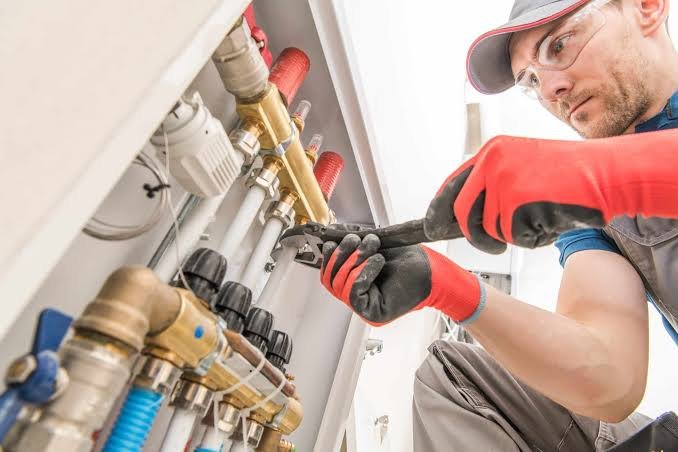
The pipework is what distributes the hot water around your house. It links the boiler or heat pump to the radiators and taps. It is a crucial component of any heating system.
Old pipes can lead to heat loss. Faulty pipes can leak and be inefficient. Clogged pipes can prevent heat from circulating. Well-designed pipes can make heating systems more efficient and even cut down on energy bills.
Do Boiler Grants Cover Pipework?
Boiler grants will normally replace just the boiler. They are designed to make quick and efficient improvements. They will not normally include new pipework. The pipework will normally be reused. Repairs may be carried out if necessary. Full pipe replacement will not be included.
The boiler grants are meant for quick upgrades and assume that the existing heating system is still in place. The boiler grants are not full system installations. Therefore, the boiler grants do not include pipework.
Do Heat Pump Grants Cover Pipework?
The Heat Pump Grant Scheme focuses on the installation of low-carbon heating systems. They try to minimize the use of gas boilers and enhance long-term energy efficiency. They normally do not include pipework and assume that good pipework infrastructure is already in place. In some instances, pipework upgrades might be needed.
However, if changes to the pipework are necessary, additional costs may be incurred. The grant is largely for the heat pump and its installation. Therefore, the message is clear: grants for heat pumps do not normally include pipework.
Do Central Heating Grants Cover Pipework?
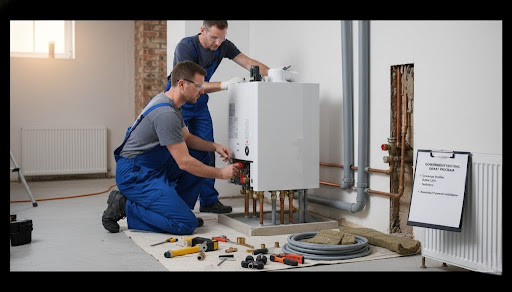
The grants for central heating are different. They consist of the installation of a complete heating system from scratch for those who do not have central heating. The grants include:
- A boiler or heat pump
- Radiators
- Pipework
- Controls and thermostats
It is the only grant that pays for pipework. Pipework is a very important component of a complete heating system. Without pipework, a central heating system cannot function. Therefore, central heating grants pay for pipework in full.
Why Boiler and Heat Pump Grants Exclude Pipework
Boiler and heat pump grants are upgrade schemes. They enhance existing systems rather than installing new ones. The installation of new pipework involves a lot of cost and time. It also disrupts more. The government aims to help more people through grants. Therefore, exclusion from coverage will help more people.
Why Central Heating Grants Include Pipework
Central heating grants serve a different purpose. They help households that do not have any heating system in place. Such households usually use electric heaters or fireplaces. This is very cold and inefficient, and it increases the energy bills. The grant should therefore cover the pipework in full because it is a crucial part of the system.
Who Qualifies for Central Heating Grants?
Central heating grant schemes are targeted at vulnerable households and often require benefit eligibility. The grants help low-income families. Some of the benefits that qualify for these grants include:
- Income Based – Jobseekers Allowance (JSA)
- Income Related – Employment and Support Allowance (ESA)
- Income Support Allowance (ISA)
- Working Tax Credit (WTC)
- Child tax credit (CTC)
- Universal Credit (UC)
- Pension Guarantee Credit
- Pension Savings Credit
Some families will qualify through the LA Flex routes, which include low income or health-related issues. If a household does not have central heating, this grant scheme is perfect and provides a complete installation system.
How LA Flex Can Help with Central Heating
LA Flex is an acronym that stands for Local Authority Flexible Eligibility. LA Flex allows local authorities to accept households that do not claim benefits but are still struggling financially. There are two routes for LA Flex:
– Route one: helps low-income families
– Route three: for people with cold-related illnesses
With these schemes, central heating grants can be awarded, and the pipework will be included in a full installation.
Common Misunderstandings About Pipework Coverage
Many people believe that all grants include pipework. This is not the case. All grants have different levels. The second myth is that “free heating” includes full replacement. This is not the case. Only the main heating equipment is included, and further work is more expensive.
How to Know If Pipework Is Covered for You
First, check the type of grant that is being applied for: boiler grant, heat pump grant, or central heating grant. Central heating grants always include pipework, while the other two do not.
Then, ask for a home survey. A surveyor will assess your heating system, tell you what is included and excluded, and ask about pipework.
What Happens If Pipework Needs Upgrading?
Occasionally, the pipework might be too old or damaged. This will be assessed by the installer, and upgrades may be suggested. For boiler and heat pump grants, upgrades will cost extra, and the grant will not pay for this. For central heating grants, pipework will be included, and no extra cost will be required.
Why This Difference Matters for Homeowners
It is important to know the difference because it saves time and money. Many people apply with the wrong expectations, and that causes confusion.
Summary of Pipework Coverage
- Boiler grants: do not include pipework
- Heat pump grants: do not include pipework
- Central heating grants: include pipework
- Central heating grants are the only type of grant that provides a complete system installation (boiler, radiators, and pipes)
Final Thoughts
Heating grants from the government are true and beneficial. They assist families with heating expenses and enhance comfort and energy conservation. However, not all grants provide equal assistance. Pipework is only supported by central heating grants.
Heat pump and free boiler grants will only upgrade the heating machine rather than the whole system. They will not rebuild the heating system. It is always important to choose the right grant for your home and ask the right questions before applying for the grant to avoid stress and unexpected costs. With the right information, you will be able to upgrade your home warmth safely.
About the Author