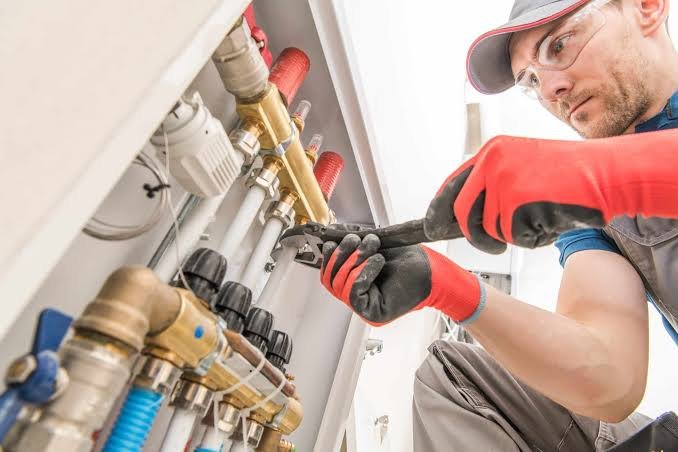
A burst pipe or a dead boiler does not wait for a convenient moment. The fastest way to choose a reliable plumber or heating engineer is to check three things before you book: a current Gas Safe or industry registration, recent reviews from local customers, and a written quote that covers labour, parts, and a callout fee. Skip any tradesperson who cannot show you all three.
Most homeowners only start researching once something has already gone wrong, which is exactly when it is easiest to make a rushed decision. Companies such as 0800 Homefix are built around that reality, offering vetted engineers who can be checked and booked without the guesswork that usually comes with an emergency call out.
What Makes a Plumber or Heating Engineer Reliable?
| Quick Answer A reliable plumber or heating engineer holds valid trade registration (Gas Safe for anything gas related), carries public liability insurance, provides a written quote before starting work, and has a track record of recent, genuine customer reviews. If a tradesperson cannot confirm these four points, keep looking. |
Why Checking Credentials Matters More Than Price
Cheapest is not the same as best. A low quote often means corners get cut somewhere, and the real cost shows up later: a repair that fails again in months, a gas appliance that was never tested properly, or work that voids your boiler warranty.
Gas Safe Register is the legal requirement for anyone working on gas boilers, cookers, or fires in the UK. Anyone without a Gas Safe ID card should not be touching gas appliances in your home, full stop.
What to Check First
• Gas Safe registration number, verified directly on the Gas Safe Register website
• Membership of a trade body such as APHC, CIPHE, or Checkatrade
• A landline or registered business address, not just a mobile number
How Do I Know If a Plumber Is Genuine?
Ask for their Gas Safe or trade registration number and check it against the official register before any work starts. A genuine plumber will give this without hesitation, provide a written quote, and have reviews you can find independently, not just on their own website.
Reading Reviews the Right Way
Star ratings alone do not tell you much. Read the actual written feedback and look for patterns rather than one-off complaints. A handful of negative reviews among hundreds of positive ones is normal; what matters is how the business responded.
Reviews mentioning timekeeping, tidiness, and whether the final price matched the quote predict your experience far better than a generic five-star comment.
Where to Look
• Google Business reviews, sorted by most recent first
• Trustpilot or Checkatrade, where reviews are harder to fake
• Local Facebook groups, which often surface honest, unfiltered opinions
Plumber vs Heating Engineer: Who Do You Actually Need?
These two trades overlap but are not interchangeable. A plumber handles water systems, pipework, taps, and drainage. A heating engineer focuses on boilers, central heating, and anything involving gas combustion. Many tradespeople are qualified in both, but always confirm before booking.
| Situation | Plumber | Heating Engineer |
| Burst pipe or major leak | Yes | No |
| No hot water or heating | No | Yes |
| Boiler installation or breakdown | No | Yes (Gas Safe registered) |
| Blocked drains or sewer issues | Yes (or drainage specialist) | No |
| Gas safety checks | No | Yes |
| Bathroom or kitchen fitting | Yes | No |
Getting a Fair Quote Before You Book
A trustworthy tradesperson explains pricing before they start the clock. Ask for a breakdown of labour, callout fee, and an estimate for parts. Vague answers like “we will see when we get there” are a warning sign, especially for non-emergency jobs.
Questions to Ask Before Booking
• What is your callout fee, and does it apply if I cancel?
• Is the quote fixed, or could the price change once you start?
• Do you guarantee your work, and for how long?
• Will the same person who quotes also do the job?
Boiler problems rarely give much warning, and most households only think about a service provider once the heating has already failed. Getting 0800 Homefix boiler repair sorted through a single trusted number removes the need to ring round multiple firms while your house is getting cold.
What Should I Do in a Plumbing or Heating Emergency?
Shut off the water at the stopcock or the gas at the meter if you smell gas or see a leak, then call a registered emergency tradesperson immediately. Do not attempt gas repairs yourself. Open a window if you suspect a gas leak and leave the property until it has been checked.
Spotting a Genuine Emergency Service
A proper emergency service answers the phone around the clock, gives a realistic arrival window, and sends someone qualified for the job rather than whoever happens to be free. Providers offering 0800 Homefix emergency repairs are judged on exactly this, since a fast response only counts if the engineer arrives properly equipped to fix the problem the first time.
Burst pipes, no heating overnight, or a gas smell all count as situations where speed matters more than shopping around. This is where 0800 Homefix emergency plumbers can be reached directly, with engineers dispatched without the usual back and forth over availability.
Step-by-Step: How to Book With Confidence
1. Identify the exact problem before calling, so you can describe it clearly.
2. Check Gas Safe or trade registration online, not just on the company’s own site.
3. Ask for a written quote covering labour, parts, and callout fee.
4. Read recent independent reviews, not just the testimonials on their homepage.
5. Confirm guarantee terms before the engineer arrives, not after.
Final Thought :
Choosing a plumber or heating engineer does not need to be stressful if you check credentials, read genuine reviews, and get pricing confirmed in writing before anyone picks up a tool. These steps take a few minutes and save hours of frustration later.
For homeowners who would rather have one reliable number saved for whenever something goes wrong, 0800 homefix brings registered, insured tradespeople together under one service, so you are not starting your search from scratch every time a pipe bursts or a boiler cuts out.
Frequently Asked Questions
1. How do I find a reliable plumber near me?
Search for plumbers with verified Gas Safe or trade body registration, then cross check their reviews on Google or Trustpilot before calling. Confirm a written quote ahead of any work.
2. What is the average cost of an emergency plumber call out?
Callout fees typically range from £60 to £150 depending on location and time of day, with evening and weekend callouts usually priced higher. Always confirm the fee before booking.
3. Do I need a Gas Safe registered engineer for a boiler repair?
Yes. Any work on a gas boiler, including repairs, servicing, or installation, legally requires a Gas Safe registered engineer in the UK. Working with anyone unregistered is both illegal and unsafe.
4. How can I check if a heating engineer is Gas Safe registered?
Ask for their Gas Safe ID card and verify the number directly on the Gas Safe Register website or by calling their helpline. Never rely on a card alone without checking it online.
5. What should I do if my boiler breaks down in winter?
Turn off the boiler if you notice unusual smells, noises, or leaks, then contact a Gas Safe registered engineer immediately. Most reputable companies offer same day or next day emergency boiler repairs during winter months.
6. Is it cheaper to repair or replace an old boiler?
Repair is usually cheaper for boilers under ten years old with a single fault. Replacement often makes more financial sense for boilers over fifteen years old or with recurring breakdowns, since older units lose efficiency.
7. How long does a typical plumbing repair take?
Minor repairs like fixing a leaking tap or unblocking a sink usually take under an hour. More involved jobs such as pipe replacement or drainage work can take several hours or require a follow up visit.
About the Author