How Society Shapes the Perception of Sexy Costume Themes
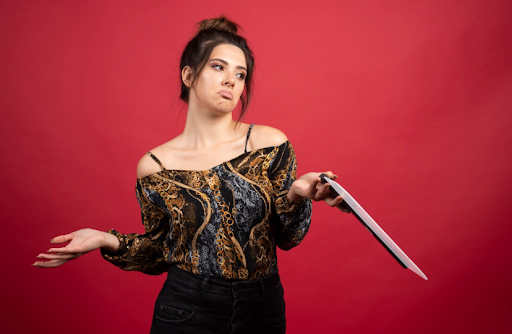
Source: Freepik.com
Sexy costume motifs do not exist in isolation—they are shaped by major factors, such as culture, media, and changing social standards, whether consciously or unconsciously.
From Halloween aisles to cosplay conventions, what’s considered sexy may be a manifestation of underlying tensions and societal values, and that’s where the rubber meets the road.
In this detailed blog post, we’re going to shed light on the key perceptions society has shaped around sexy costume themes. Let’s have a closer look at them…
Gender Double Standards
The difference in expectations between men and women is one of the most significant factors. Even when they play non-sexual characters such as police officers or firefighters, women choose costumes from notable brands like Smiffys to wear, which tend to be close-fitting, short, and obscene.
Conversely, the male costumes labelled ‘sexy’ are usually focused on humour or power and are less frequent. This difference supports the social convention that a woman is frequently judged by her sexual attractiveness.
Media and Pop Culture Influence
The impact of movies, television shows, and social media on shaping the trends of sexy costumes is immense. This continual sexual portrayal of women in media helps promote a culture where revealing clothes are considered appropriate for specific celebrations such as Halloween and New Year’s.
Social media further amplifies this through the desire for “Instagram-ready” looks. That is where trendiness and visual appeal often override practicality or the original character’s persona.
Commercialisation and Fast Fashion
Costume corporations, sometimes operated by male managers, exploit such trends by making women scarce selections of mass-produced, so-called sexy fashions.
Retailers are quickly transforming viral trends into low-priced, easily wearable costumes, so that the woman cannot find non-sexualised alternatives, even the ones that are not sexual characters in their original form.
The Empowerment vs. Objectification Debate
The decision to dress up in a sexy way is a subtle matter that’s usually controversial. Certain women consider these costumes a source of confidence and empowerment, a means of expressing their freedom and of accepting their bodies.
Some said this sense of empowerment is an internalised reaction to a culture that objectifies women, causing them to be attentive to their looks at all times.
Social Scrutiny and Judgment
In all corners of the world, the females who prefer putting on revealing costumes often face negative remarks, online abuse, and judgment by both men and women.
This puts them in a dilemma, a double bind situation, in which they are usually criticised either way: called a slut because they wear sexy dresses or called a prude because they are not following the norm.
Wrapping It Up
The media, norms, commerce, and social feedback all influence how we understand the sexy costume themes imposed by society, which determines how and why we dress.
Knowing all the above forces helps individuals make more conscious decisions and view costumes not as outfits but as cultural reflections, thereby making the entire picture clearer.
About the Author