HMRC Wants Tax Money Back? Why They Might Be Wrong (And What to Do Next)
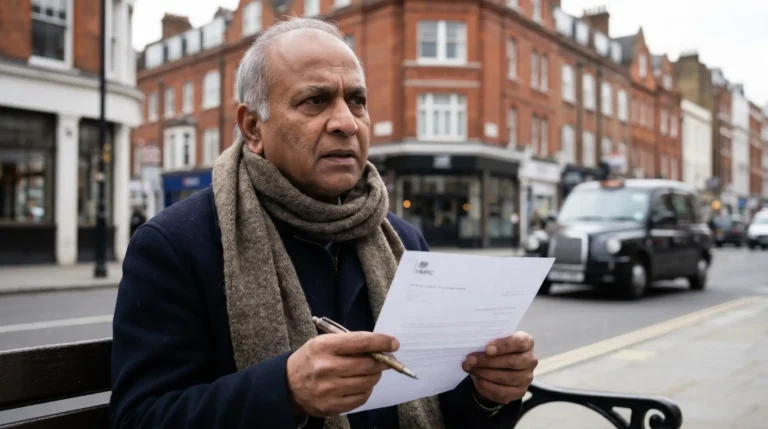
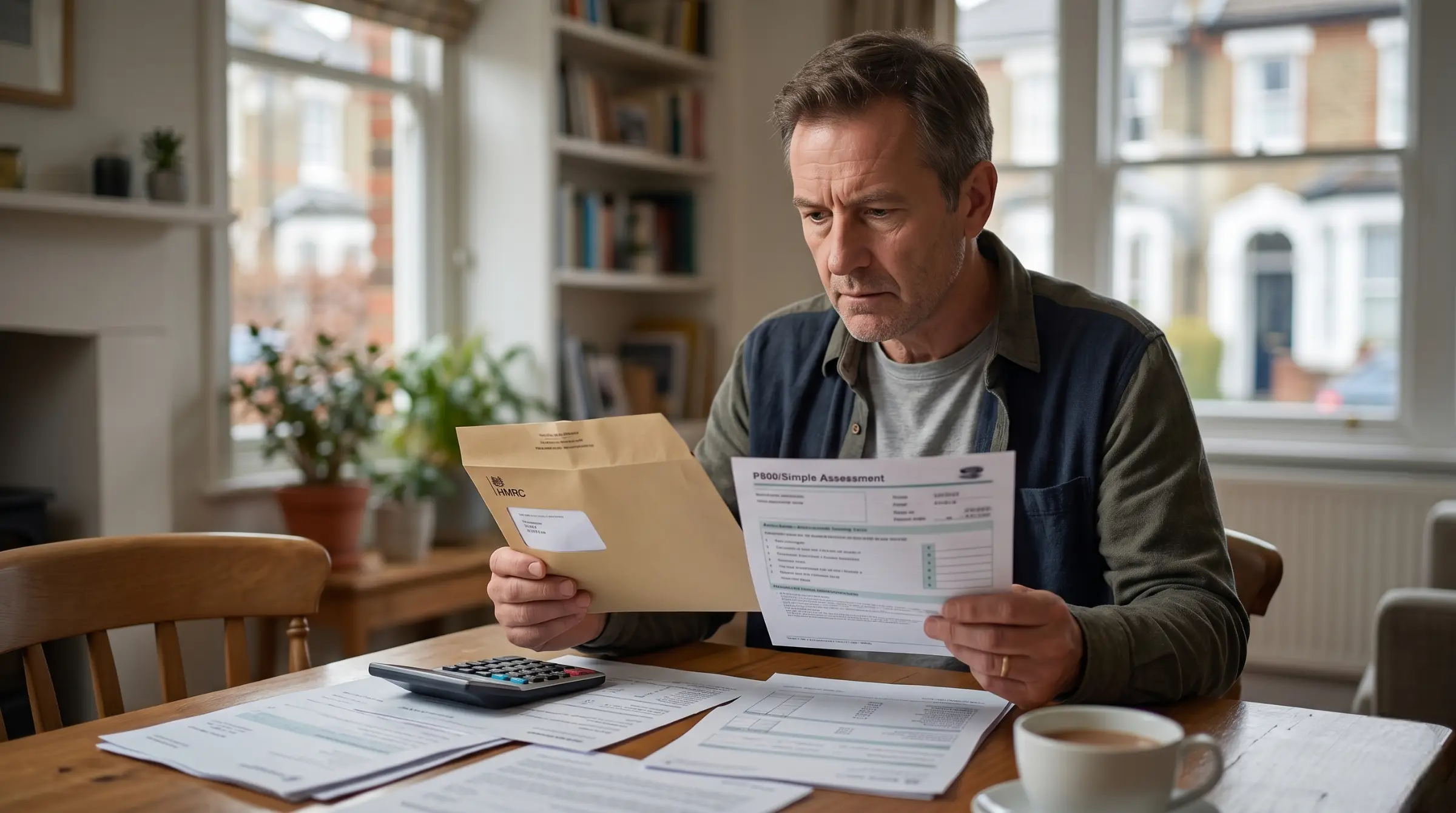
Opening a brown envelope to find a tax demand is stressful. Your heart sinks. But do not panic just yet. Millions of UK taxpayers get these notices every year between June and March. It happens because the standard PAYE system sometimes miscalculates things. You do not have to blindly accept the bill. This guide explains how to check the maths, dispute errors, or manage your payments smoothly.
If you receive a letter stating HMRC wants tax money back, first verify whether it is a P800 or a Simple Assessment. Check the figures against your P60, DWP letters, and bank statements. If correct, you can pay via tax code adjustments or instalments. If incorrect, appeal within 60 days.
Key Takeaways
- HMRC issues P800s and Simple Assessments for tax underpayments.
- You have exactly 60 days to dispute a Simple Assessment.
- Estimated savings interest is a common cause of incorrect bills.
- Debts under £3,000 are often collected automatically via your tax code.
- You can set up payment plans online for debts up to £30,000.
Quick Start: Immediate Action Plan
- Gather your latest P60 and bank statements immediately to check the numbers.
- Read the top of the letter carefully to confirm if it is a P800 or a Simple Assessment.
- Head straight to the ‘Time to Pay’ online portal if you agree with the bill but need a monthly instalment plan.
Decoding Your HMRC Tax Letter: P800 vs. Simple Assessment
When HMRC spots an underpayment, they send a formal letter. But not all tax demands are the same. You will typically receive either a P800 or a Simple Assessment.
A P800 form goes to standard PAYE employees. If you owe less than £3,000, HMRC usually tweaks your tax code to slowly grab the money from your future wages.
A Simple Assessment is different. It hits the doormat when the tax cannot be taken straight from your pay. This includes pensioners owing tax on their State Pension, or folks owing more than £3,000. These are generated without you doing anything. HMRC issues simple assessments automatically in the months following the end of the tax year; taxpayers do not have to register for them (Tax Adviser Magazine, 2026).
You need to know which one you have. The rules for paying and appealing depend on it entirely. See GOV.UK guidance on checking your income tax for the current year to cross-check your online account.
| Feature | P800 Letter | Simple Assessment Letter |
| Who gets it? | Standard PAYE employees | Pensioners, debts over £3K, complex income |
| Payment Method | Usually automatic tax code adjustment | Direct payment required |
| Appeal Window | Contact HMRC anytime | Strictly 60 days |
| Typical Issue Date | June to March | Post-tax year end |
The Most Common Reasons HMRC Demands Money
Why did this happen? The PAYE system is meant to be seamless. Employers deduct tax before you get paid. Sometimes, though, the system trips up.
Changing jobs mid-year is a huge trigger. So is getting slapped with an emergency tax code. State Pensions also push many people over their Personal Allowance limit, causing unexpected bills. Read more on how this works in this LITRG guide on understanding tax codes.
Let’s look at a typical scenario. A pensioner receives a Simple Assessment in November because their State Pension pushed their total income above their tax-free allowance. Because the letter was issued after 31 October, they have exactly three months from the letter’s date to settle the bill.
Pro Tip: If you receive state benefits paid every 4 weeks, multiply your regular payment by 13 (not 12) to accurately cross-check the figures on your Simple Assessment letter (GOV.UK, 2026).
Common mistake: Do not ignore the letter hoping it goes away. Ignoring a Simple Assessment means the debt becomes legally binding, and you lose your chance to challenge the numbers.
The “Estimated Interest” Trap
Here is a massive flaw in the system. HMRC tries to tax the interest you make on your savings. But they rarely have real-time data from your bank.
Instead, they guess. They often look at what you earned in previous years and assume you made the same amount again. This “estimated interest” inflates your tax bill unnecessarily.
Pro Tip: Always check the savings interest figure on a Simple Assessment; HMRC often uses an estimate based on the previous year which can inflate your tax bill (Ross Martin, 2026).
Why do they do this? “Simple Assessments are issued by HMRC to collect outstanding tax liabilities that cannot be collected at source…” (Ross Martin, 2026). Because they cannot pull it from your bank, they guess the amount and ask you to pay it directly. You must challenge this if it is wrong.
How to Dispute an Incorrect Tax Bill
You must act fast. You have exactly 60 days to dispute a Simple Assessment if the figures are incorrect. Wait longer, and the debt sets in stone.
“The simple assessment letter does advise taxpayers that they can ‘appeal’ a simple assessment within 60 days in cases where there is a discrepancy,” explains Tax Adviser Magazine (2026).
How do you actually do it? Follow these steps carefully:
- Step 1: Compare the figures in the HMRC letter against your P60, bank statements, or DWP letters.
- Step 2: Note any discrepancies, paying special attention to estimated bank interest.
- Step 3: Contact HMRC by phone or post within 60 days of the letter’s issue date.
- Step 4: State explicitly which amounts are incorrect, provide the correct figures, and explain how you calculated them.
Pro Tip: If you normally file a Self Assessment but receive a P800, it is likely an administrative error. Inform HMRC, but continue to submit your standard return (LITRG, 2026).
Mid-Article Summary
- Check your form type immediately (P800 or Simple Assessment).
- Verify the savings interest and DWP figures against your own paperwork.
- Act strictly within the 60-day deadline if you intend to appeal.
How to Pay Your Tax Bill (If the Calculation is Right)
If the maths is correct, you have to pay. How you handle it depends entirely on the letter you received.
Got a P800? You can make a voluntary payment online before the new tax year starts. If you ignore it, HMRC will usually just adjust your tax code to recover the funds starting 6 April next year.
Imagine this. An employee underpays £400 via PAYE. HMRC sends a P800. The employee chooses not to make a voluntary payment. Consequently, HMRC automatically adjusts their tax code the following April to recover the £400 gradually over 12 months. Simple.
For Simple Assessments, the rules shift. If they issued the letter before 31 October for the previous year, your absolute deadline is 31 January. Pay it via the Official HMRC online payment portal.
Setting up a ‘Time to Pay’ Arrangement
Cannot afford a lump sum? You are not alone. Taxpayers unable to pay their outstanding bill in a single hit can establish a ‘Time to Pay’ arrangement. This spreads the massive cost into manageable monthly instalments.
Pro Tip: If you owe less than £30,000, save time by setting up a Time to Pay arrangement online rather than waiting on hold to speak with an adviser.
Checklist: Time to Pay Eligibility Check
- [ ] Is your outstanding tax debt £30,000 or less?
- [ ] Do you not have any other payment plans or debts with HMRC?
- [ ] Have you filed your latest tax return, if you are required to do so?
- [ ] Are you within 60 days of the payment deadline?
Warning: Spotting Fake HMRC Tax Demands
Scammers love tax season. They send out terrifying messages demanding instant payment. Do not fall for it.
Pro Tip: Verify the legitimacy of any HMRC demand; genuine tax calculation letters are sent via post or to your secure personal tax account, not via text message or email (GOV.UK, 2026).
If you receive a dodgy text message with a link demanding tax money, ignore it. Report it directly to the Action Fraud reporting page.
Final Thoughts on Your Tax Demand
Receiving a tax demand is jarring, but it is a standard administrative part of the UK tax system. Always verify the numbers before opening your wallet. Pay incredibly close attention to estimated interest and pension figures, as these are where the system breaks down most often. Do not let panic dictate your actions.
Next Steps:
- Log into your Personal Tax Account to verify the digital copy of the letter.
- Gather your P60 and bank statements to cross-reference the data.
- Decide whether to appeal within 60 days or set up an online payment plan.
FAQs
Is a P800 letter a scam?
Not usually, but verify it. Genuine P800s come via post or appear in your official online tax account. They never arrive via a random text link.
Can HMRC take money directly from my bank account?
No. They adjust your tax code to take it from your wages, or they ask you to pay them directly via bank transfer or cheque.
What happens if I ignore a Simple Assessment?
You will miss the strict 60-day appeal window. The debt then becomes legally enforceable and you will face late payment penalties.
Why am I being taxed on my State Pension?
State Pensions count towards your taxable income. If your total income (including private pensions or jobs) beats your Personal Allowance, you owe tax.
Can I pay my P800 in instalments?
Yes. If HMRC cannot adjust your tax code to collect the money, you can set up a Time to Pay plan online.
How long does HMRC have to claim back underpaid tax?
HMRC generally has four years from the end of the tax year in question to assess you for underpaid tax, assuming it was an innocent error.
What if my employer made a mistake with my PAYE?
You still owe the tax to HMRC. However, you should alert your employer to fix their payroll system so it stops happening.
About the Author