Reading medical labels can feel like learning a new language. You might see terms like mg to ml and feel a little lost. Do not worry! Many people find these measurements tricky at first. It is very important to get them right, especially with medicine. This guide will help you understand these units in a simple, clear way.
Why Measurement Matters
When we talk about health, precision is key. A mg to ml conversion is not just a math problem. It is about making sure you or your loved ones get the right amount of care. Using the wrong dose can be dangerous. Always take a moment to double-check your labels. Taking your time helps prevent mistakes that could hurt someone. Your health and safety are the most important things to keep in mind.
What is a Milligram (mg)?
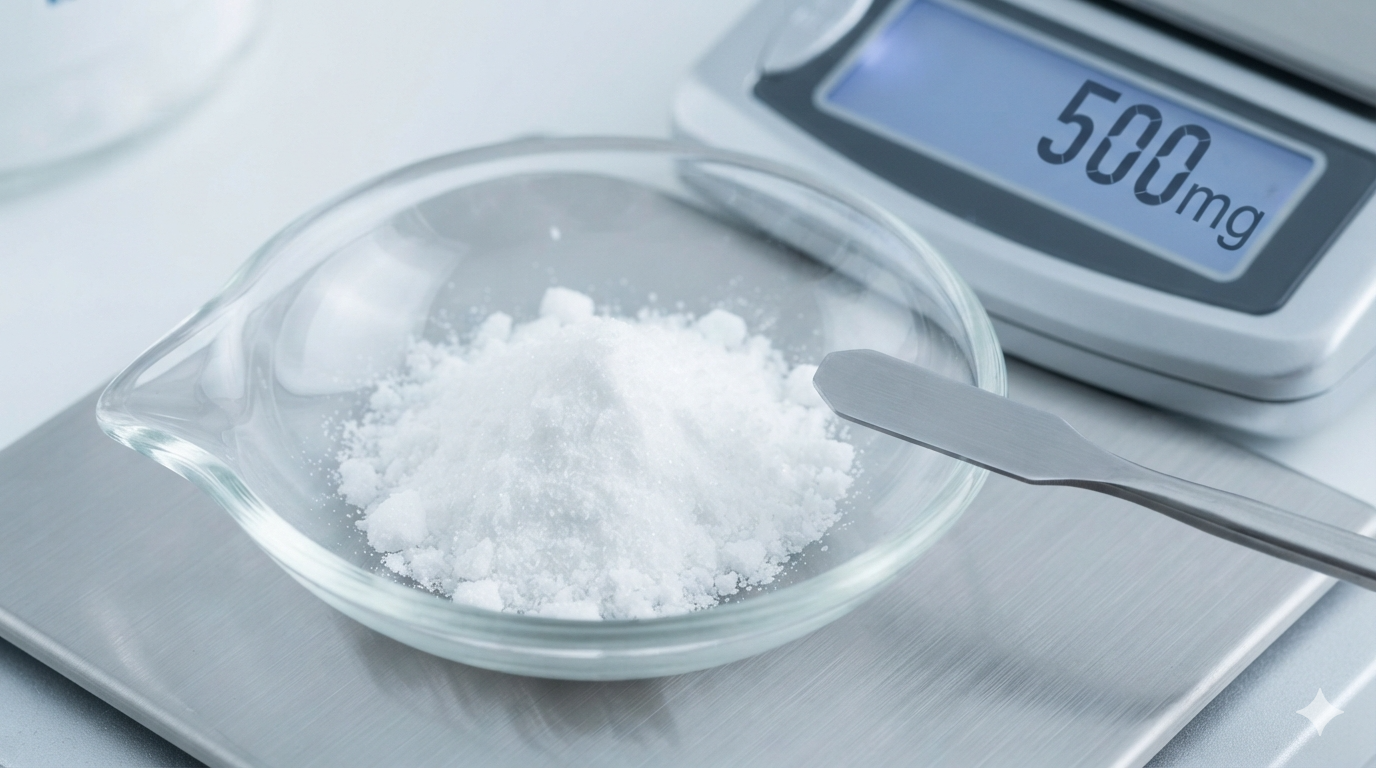
A milligram is a unit used to measure weight. Think of it as how “heavy” or dense the active medicine is inside a liquid. Doctors use mg to ml to tell you exactly how much of the drug is in a specific amount of liquid. You cannot see the weight with your eyes. Instead, you must trust the label provided by your pharmacist or your doctor.
What is a Milliliter (ml)?
A milliliter is a unit used to measure volume. It tells you how much space a liquid takes up in a cup or syringe. When you look at a liquid, you are looking at volume, not weight. Understanding mg to ml means knowing that the bottle contains a specific weight of medicine mixed into a specific volume of liquid.
The Connection Between Weight and Volume
It is a common mistake to think weight and volume are the same. They are not! A milligram measures how much stuff is in the liquid. A milliliter measures how much liquid you pour out. The mg to ml relationship depends on the concentration of the medicine. Always look for the “mg/ml” ratio on the side of the bottle.
How to Read Your Medication Label
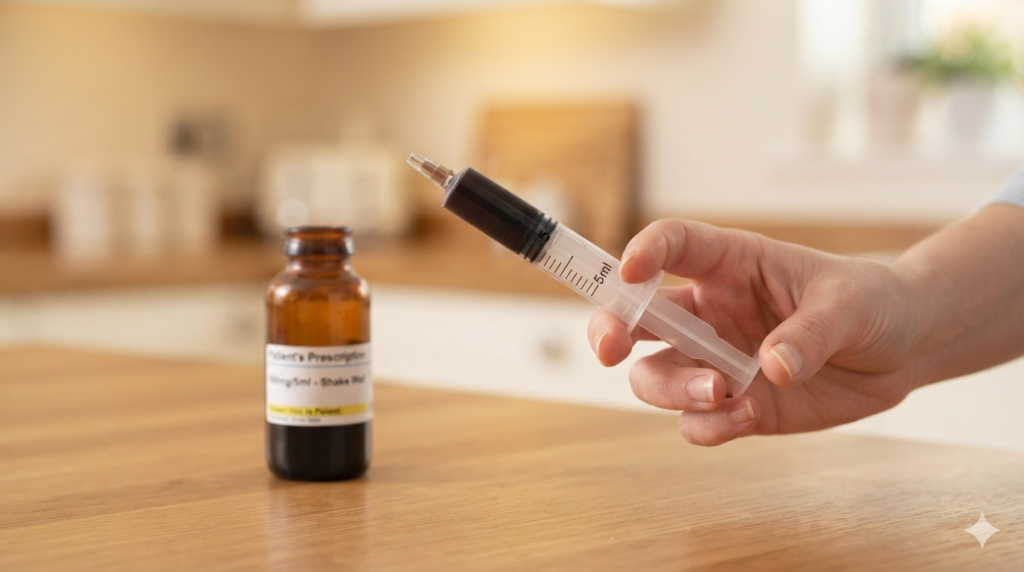
Every liquid medicine bottle has a label. You will often see something like “50 mg / 5 ml.” This means there are 50 milligrams of medicine in every 5 milliliters of liquid. To understand the mg to ml ratio, always look for that “slash” symbol. If you are ever confused, please ask your pharmacist to explain it before you give the medicine.
Using the Right Measuring Tools
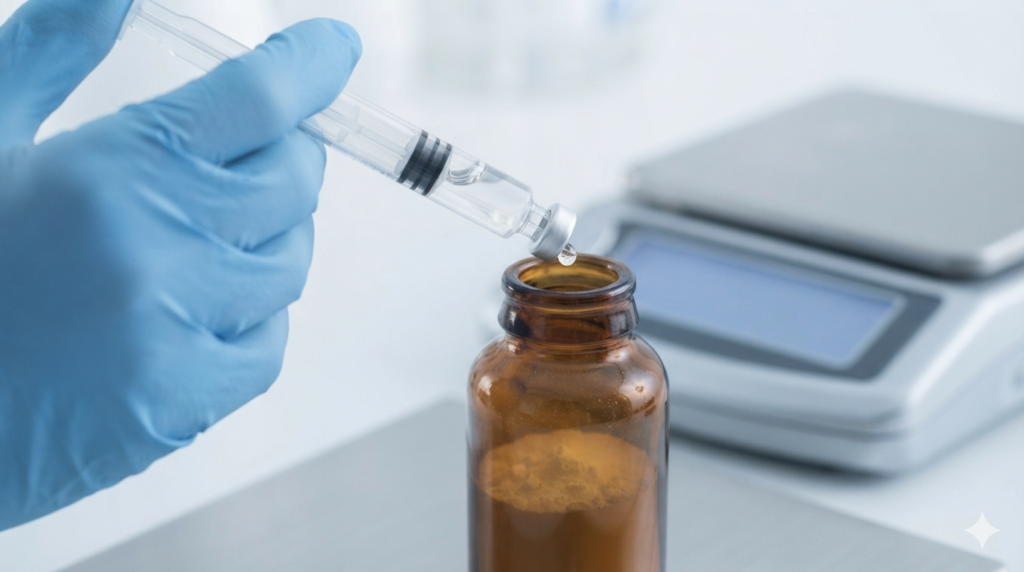
Never use kitchen spoons to measure medicine. They are not accurate enough for your needs. Instead, use the oral syringe or dosing cup that comes with your medicine. These tools are designed to measure mg to ml correctly. Using the wrong tool can lead to giving too much or too little of the medication.
Common Mistakes to Avoid
One big mistake is mixing up units. People sometimes confuse a dose in milligrams with the volume in milliliters. Always read the prescription carefully. If the doctor says 5 ml, do not look for 5 mg on the syringe. Using the mg to ml conversion correctly is vital for safety. When in doubt, call your doctor’s office to confirm.
Why You Should Not Guess
Never try to guess the math if you are unsure. If a label is faded or hard to read, do not use the medicine. Getting a mg to ml conversion wrong can be very risky. It is always better to be safe and ask for help from a professional. Your pharmacist is trained to help you understand these details.
Tips for Caregivers
If you are caring for a child or an elder, keep a log of doses. Write down the time and the amount given in milliliters. Knowing the mg to ml ratio for that specific medicine helps you track their health. Keeping a simple written record can help you stay organized. It also gives you peace of mind during busy or stressful days.
Simple Conversion Table for Reference
Sometimes, having a quick reference can help. This table shows how concentration changes the math.
| Concentration | Amount to Give | Total mg Received |
| 10 mg/ml | 1 ml | 10 mg |
| 10 mg/ml | 5 ml | 50 mg |
| 20 mg/ml | 1 ml | 20 mg |
| 20 mg/ml | 5 ml | 100 mg |
When to Ask for Help
If you are ever unsure about a mg to ml calculation, stop what you are doing. Do not guess. Call your pharmacy or your healthcare provider right away. They want you to be safe. It is never a bother to ask a question about your health or medicine. Asking for clarity shows that you are being a responsible and careful person.
Frequently Asked Questions
1. Is 1 mg the same as 1 ml?
No, they are totally different. One measures weight and the other measures volume.
2. Can I use a kitchen spoon to measure?
No, never use kitchen spoons. They are not accurate and can lead to dangerous dosing errors.
3. What does “mg/ml” mean on a bottle?
It means the concentration of the medicine. It tells you the weight of the medicine inside each milliliter of liquid.
4. What should I do if I measured the wrong amount?
If you give the wrong dose, call your doctor or a poison control center immediately for advice.
5. How can I learn the mg to ml for my specific medicine?
The information is always on the medication label or the leaflet that comes in the box.
6. Why is math required for medicine?
Different medicines have different strengths, so we use math to ensure the patient gets the correct, safe dose.
Conclusion
Learning how to handle mg to ml measurements is a great way to take control of your health. Remember to use the right tools, read labels carefully, and always ask a professional if you feel confused. Being accurate keeps you and your family safe. Do you have a specific medication bottle you are trying to understand right now.
About the Author