Complete Detailing Table
| Phase | Key Action Steps | Main Goal |
| Phase 1: Planning | Define concept, secure budget, write a business plan. | Build a strong foundation. |
| Phase 2: Legal Setup | Get health permits, business licenses, and tax IDs. | Ensure full legal compliance. |
| Phase 3: Soft Launch | Host invite-only days for family and friends. | Test kitchen flow and fix bugs. |
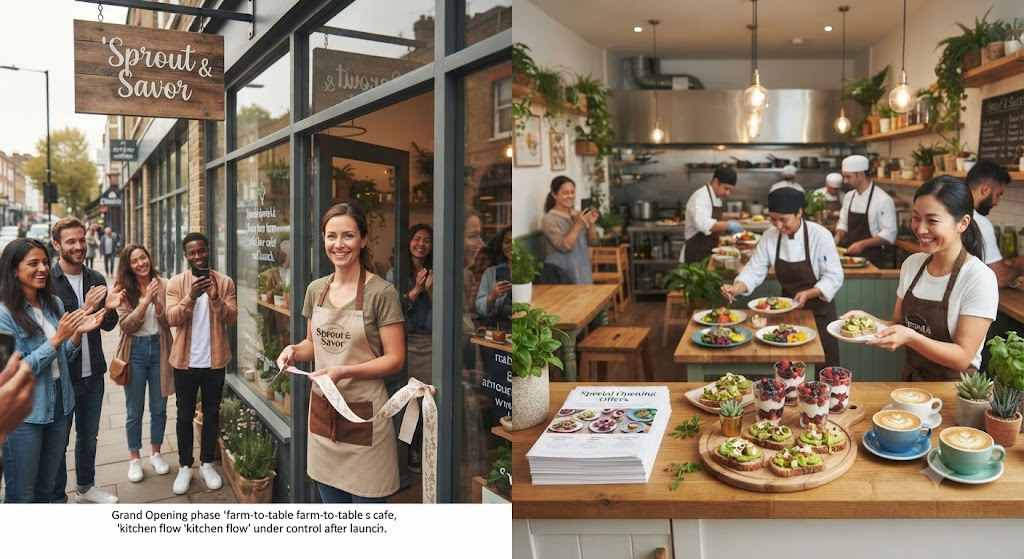
| Phase 4: Grand Opening | Launch marketing, offers, and public doors. | Drive maximum foot traffic. |
Planning a new food business is an exciting journey. If you dream of starting a cozy cafe or a bustling street-side eatery, your big launch day matters most. A well-planned Food Opening sets the stage for long-term success. Many new owners jump right in without a map. Sadly, that can lead to early stress. When you take things step by step, your dream becomes much easier to manage. Let us explore how you can build a wonderful dining spot that people will love from the very first bite.
Finding the Perfect Location
Every great story starts in the right setting. Finding a spot with high foot traffic is vital for a smooth food opening. You want people walking by to notice your sign. Look for neighborhoods that match your style. A busy street corner or a quiet corner near a park can work wonders. Make sure guests can park easily or reach you by public transit.
Crafting a Simple and Tasty Menu
Your menu is the heart of your business. During any early food opening, keep things simple. Do not try to cook fifty different dishes at once. Pick a few core items and make them taste incredible. When your kitchen staff masters a smaller menu, food comes out faster. Fresh ingredients and clear recipe cards help keep every single plate tasting just right.
Securing Permits and Paperwork Early
Before you serve your first guest, paperwork must be handled. A legal food opening requires health department checks, local business licenses, and building safety permits. Do not wait until the last week to file these forms. City offices can take time to review documents. Getting this done early saves you from sudden delays.
Designing a Cozy and Warm Interior
The look of your space tells a story. Your dining room should feel welcoming and comfortable. Soft lighting, clean tables, and friendly music create a relaxed mood. Think about how people move through the room. Servers need clear paths to walk safely, and guests want enough elbow room to enjoy their meals without feeling cramped.
Hiring and Training Your Dream Team
Your staff members are the face of your brand. When prepping for a major food opening, hiring patient and kind people is a must. Teach them your menu inside and out. Run practice drills where your team pretends to serve busy crowds. Happy workers lead to happy diners, and great service keeps customers coming back week after week.
Hosting an Exclusive Soft Launch
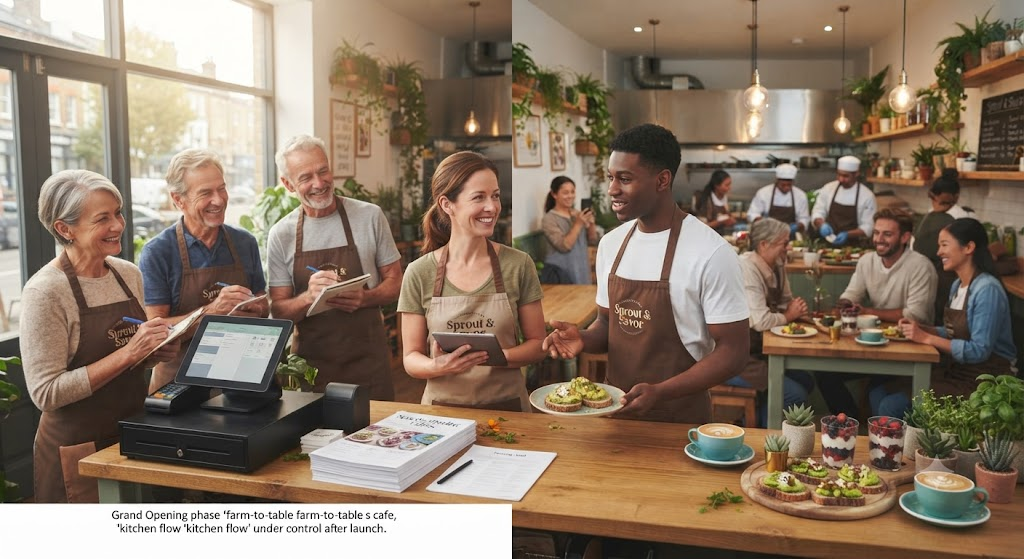
A practice run is a secret weapon for smart owners. Before your official food opening, host a private night for close friends and family. Give them free food in exchange for honest feedback. This trial run helps your cooks find timing issues and lets your servers practice taking orders under real pressure without high stakes.
Building Online Hype Before Day One
People love to watch a new story unfold. Share your journey online well before your actual food opening. Post pictures of your paint colors, test dishes, and smiling team members on social media. Building digital excitement creates a sense of curiosity. By the time your doors open wide, locals will already be eager to see what you built.
Creating Opening Day Special Offers
Everyone loves a fun treat on launch day. To make your official food opening memorable, offer a special perk. You could give a small free gift to your first fifty guests or host a fun food challenge. These creative ideas get people talking, sharing photos online, and standing in line to be part of your very first day.
Gathering Feedback to Keep Improving
Opening day is only the beginning of your adventure. Once your food opening wraps up, listen closely to your customers. Read comment cards and online reviews with an open mind. If guests mention that a certain dish takes too long, look for ways to speed it up. Constant learning keeps your business fresh and strong.
Staying Resilient Through Challenges
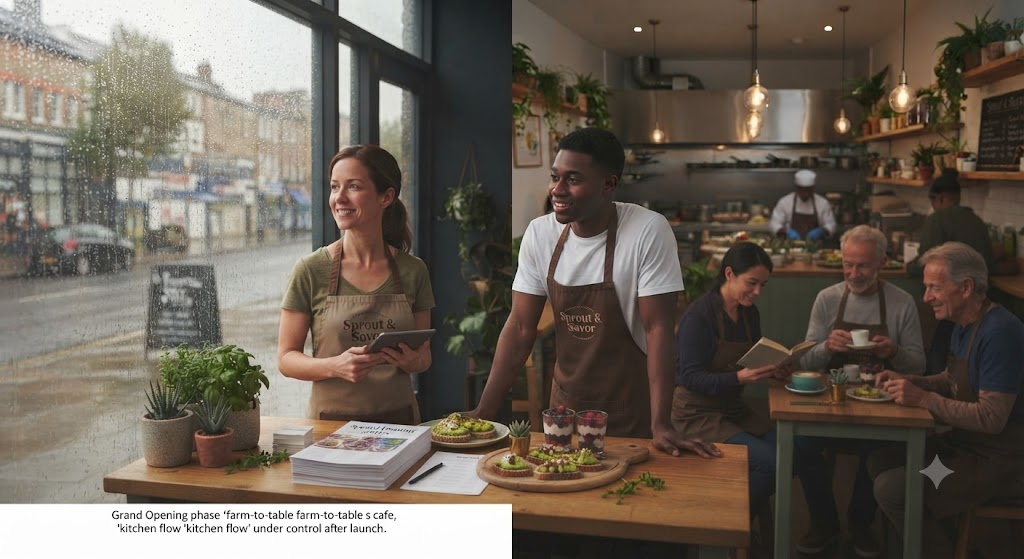
Running a food business takes hard work and patience. Even after a smooth food opening, rainy days or slow afternoons will happen. Stay positive and keep your food quality high. Every great restaurant owner faces small bumps in the road. With passion, care, and steady effort, your new spot can grow into a beloved local favorite.
Frequently Asked Questions
What is the most important step before a food opening?
Getting your legal health permits and licenses secured is always the top priority to avoid fines.
Why should I host a soft opening?
A soft launch lets you test your kitchen speed and fix mistakes before the public arrives.
How big should my opening menu be?
Keep it short with 5 to 10 core items so your team can maintain high quality and fast service.
How can I attract local customers for free?
Build a social media page, share behind-the-scenes buildout photos, and encourage local word-of-mouth.
What budget do I need for marketing?
Set aside a small portion of your startup funds for local signs, digital ads, and opening day giveaways.
How do I handle negative reviews after opening?
Read them politely, reply with kindness, and use the feedback to fix any real issues quickly.
Conclusion
Starting your own dining venture takes courage, careful planning, and a lot of heart. By following these simple steps, your food opening can turn into a joyful community event. Take a deep breath, trust your preparation, and get ready to welcome your very first happy customers through the door. Drop a comment below or share your biggest dream dish with us today!
About the Author