mengembara
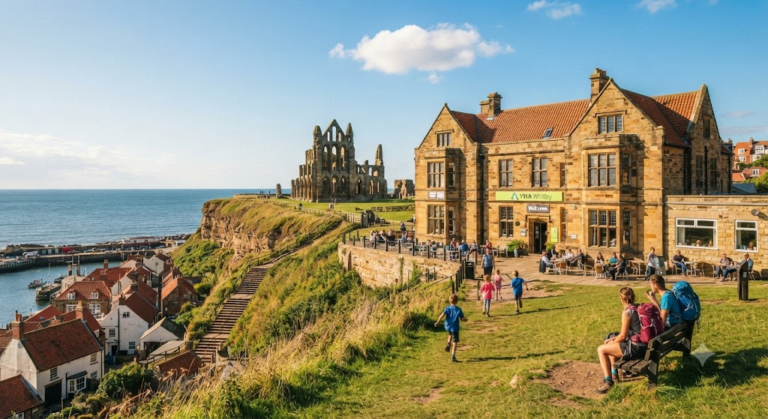
The Indonesian word mengembara translates to wandering, roaming, or traveling without a fixed itinerary. In modern English writing, mengembara captures an unhurried way of moving through places and ideas rather than rushing from one landmark to another.
The Meaning of Mengembara in Everyday Life
At its core, mengembara describes movement guided by curiosity instead of a strict schedule. Someone who is wandering does not treat a road solely as a shortcut from point A to point B. Instead, the journey itself carries weight, offering room to observe textures, shifts in light, and unexpected conversations that hurried travel easily misses.
In Indonesian and Malay usage, mengembara applies to physical travel across forests, coastlines, cities, and mountains, as well as to metaphorical wandering through thoughts, memories, or creative projects. A writer letting imagination drift across a blank page or a walker taking an unmarked footpath both reflect the spirit of mengembara. That dual meaning makes the keyword rich for essays on slow travel, mindfulness, personal growth, and artistic exploration.
Why Unhurried Wandering Matters Today
Modern routines often reward speed, efficiency, and constant optimization. Even leisure time can turn into a tight checklist of sights, photos, and deadlines. Mengembara offers a practical counterweight by replacing rigid control with attentive openness. When you remove the pressure to arrive quickly, your senses adjust to smaller details: how air cools at dusk, how neighborhood streets change from block to block, or how a single conversation shifts your perspective.
Wandering also creates mental space for problem-solving. Focused concentration narrows attention onto one task at a time, while gentle, low-stakes movement allows associative thinking to connect distant ideas. Many people find that solutions to stubborn work challenges or creative blocks appear during an unhurried walk rather than at a desk.
Ways to Practice Mengembara in Daily Routines
You do not need a months-long expedition or an international flight to experience mengembara. Small, deliberate shifts in how you move and pay attention can bring that same openness into ordinary weeks:
Walking a familiar neighborhood without headphones or a map so you notice doorways, plants, and street sounds you usually tune out.
Taking a side street or local bus line with no specific destination in mind for an hour, then heading back when you feel ready.
Spending time in a public park, market, or library simply observing daily rhythms without trying to multitask or check notifications.
Letting your mind wander gently during quiet intervals—such as waiting in line or sitting on a bench—before reaching for a screen.
Creative and Emotional Dimensions of Wandering
In literature, music, and visual art, wandering has long served as a motif for self-discovery and transition. Characters who set out without certainty often confront assumptions they took for granted at home. Through mengembara, distance from familiar routines helps clarify what feels essential and what feels inherited out of habit.
At the same time, wandering is not always effortless. Leaving behind a clear plan can bring brief uncertainty, boredom, or mild disorientation. Those moments are part of the process: sitting comfortably with not knowing the next turn builds adaptability and patience. Over time, mengembara teaches a steady balance between direction and receptivity—knowing where you are anchored while remaining open to what lies around the bend.
Summary of Key Takeaways
Mengembara means wandering or roaming without a rigid plan, uniting physical exploration with reflective thought.
Unhurried movement counters rushed modern habits by sharpening sensory awareness and supporting creative insight.
Simple local habits—such as walking without a route or observing public spaces without screens—make wandering accessible every day.
About the Author