Introduction to Pozole
Pozole is one of the most famous and beloved traditional dishes in Mexican cuisine. It is a delicious, hearty soup made with hominy (dried corn kernels that have been treated with an alkaline solution), meat, and a flavorful broth. This traditional Mexican food is known for its rich taste, comforting ingredients, and cultural importance. Pozole is commonly prepared for family gatherings, celebrations, holidays, and special occasions.
The dish has been enjoyed in Mexico for centuries and remains an important part of Mexican food culture. Although recipes vary from region to region, the main ingredients usually include hominy, pork or chicken, garlic, onions, chili peppers, and different seasonings. Fresh toppings such as lettuce, radishes, lime, cabbage, and oregano make pozole even more delicious.
What Is Pozole?
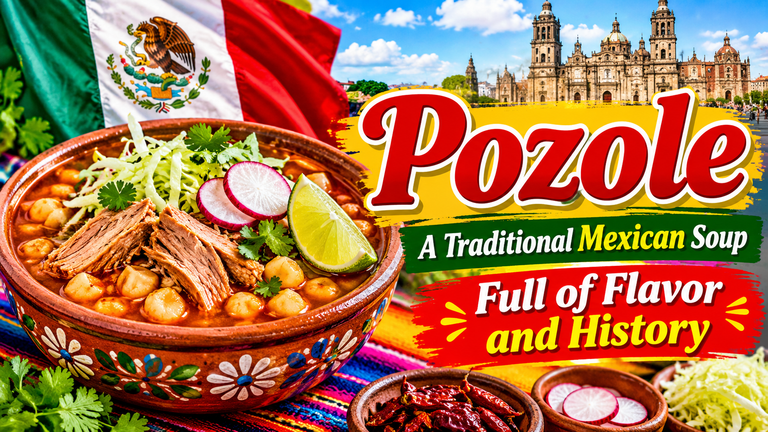
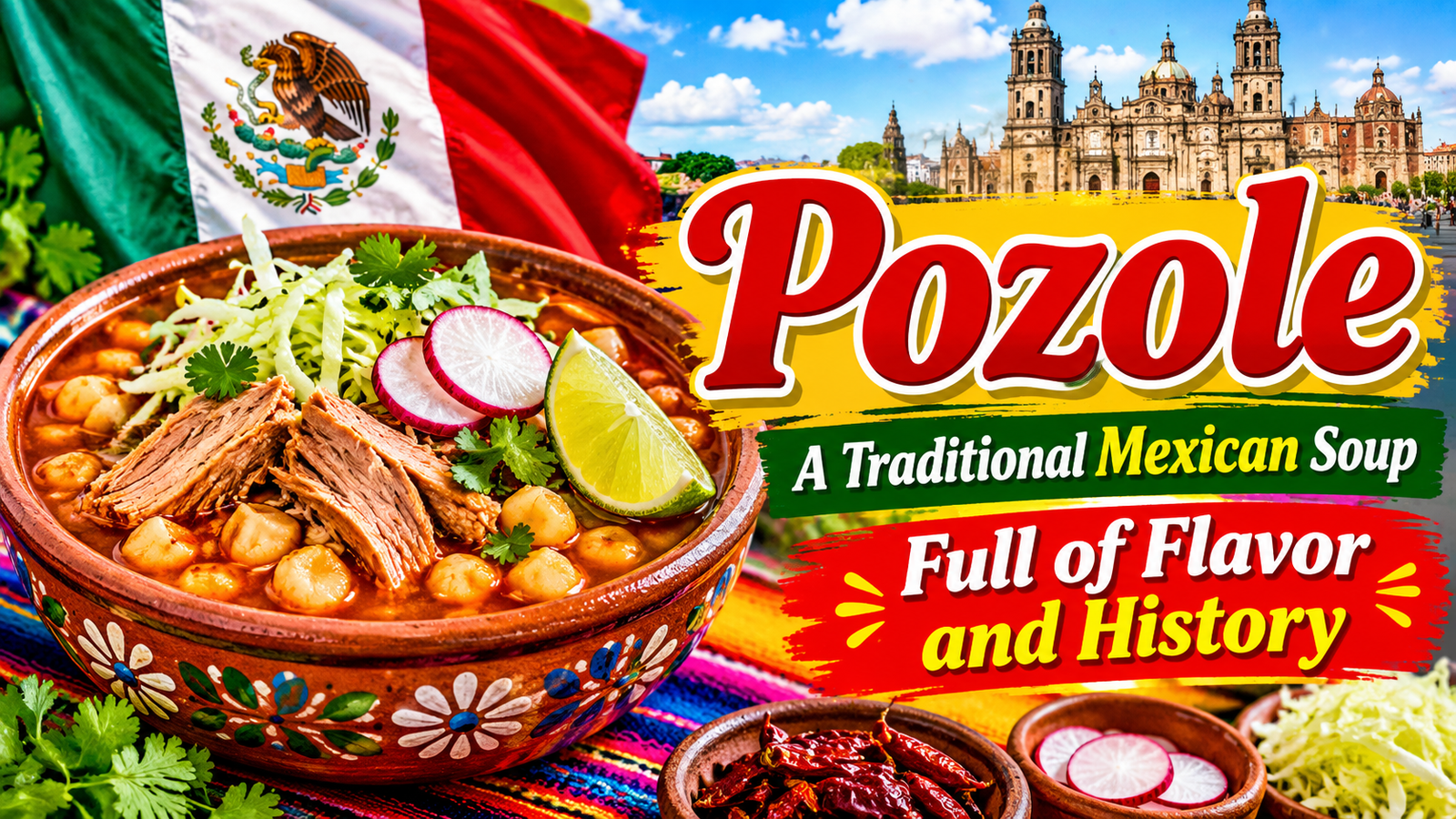
Pozole is a traditional Mexican soup or stew prepared with hominy and meat in a seasoned broth. The word “pozole” comes from the Nahuatl word “pozolli,” which is commonly translated as “foamy” or associated with the appearance of the cooked corn.
Hominy is the most important ingredient in pozole. It gives the soup its unique texture and slightly sweet corn flavor. The meat adds richness, while herbs, spices, and chili peppers create a delicious combination of flavors.
Pozole is usually served hot in a large bowl with fresh garnishes. It can be enjoyed as a main meal because it is filling, nutritious, and satisfying.
History and Cultural Importance of Pozole
Pozole has a long history that dates back to pre-Hispanic Mexico. Indigenous communities prepared dishes using corn, which was an essential part of their diet and culture. Corn was considered a valuable crop and held great cultural and spiritual significance.
Over time, pozole developed into different regional recipes. Following the arrival of Spanish colonists, ingredients and cooking methods changed, and pork became a popular addition to many versions.
Today, pozole is commonly served during Mexican Independence Day celebrations, Christmas gatherings, birthdays, weddings, and family reunions. It represents hospitality, tradition, and togetherness.
Different Types of Pozole
There are several popular varieties of pozole in Mexico. Each version has its own flavor, color, and ingredients.
1. Pozole Rojo
Pozole rojo is a red-colored version prepared with dried red chili peppers, such as guajillo and ancho chilies. These peppers give the broth a rich color and slightly smoky flavor.
It is commonly prepared with pork, although chicken can also be used. Pozole rojo is one of the most popular varieties and is often served with cabbage, radishes, onions, oregano, and lime.
2. Pozole Verde
Pozole verde is a green version made with ingredients such as tomatillos, green chilies, cilantro, pumpkin seeds, and other herbs. These ingredients create a fresh and slightly tangy flavor.
Chicken is commonly used in this recipe. Its green broth makes it visually different from other varieties.
3. Pozole Blanco
Pozole blanco is a simple version that does not contain red or green chili sauce. Instead, it features a clear, flavorful broth made with meat, hominy, garlic, onion, and seasonings.
This variety allows the natural flavor of the corn and meat to stand out. It is usually served with fresh toppings that guests can add according to their preferences.
Main Ingredients Used in Pozole
The ingredients used in pozole are simple, but together they create a rich and satisfying meal.
- Hominy: The main ingredient that provides texture and traditional corn flavor.
- Pork or chicken: Adds protein and richness to the soup.
- Garlic: Gives the broth a delicious aroma.
- Onions: Add sweetness and depth of flavor.
- Chili peppers: Provide color, warmth, and flavor.
- Oregano: Adds an earthy and aromatic taste.
- Salt and pepper: Help balance the seasoning.
- Water or broth: Forms the liquid base of the soup.
Fresh garnishes are also important because they add crunch, freshness, and extra flavor.
How to Make Traditional Pozole
Preparing Pozole takes some time, but the cooking process is relatively simple. The following steps explain how to make a traditional version.
Step 1: Prepare the Ingredients
Gather hominy, pork or chicken, garlic, onions, chili peppers, oregano, salt, and other seasonings. If using dried hominy, prepare it according to the package instructions. Canned hominy can be used for convenience.
Step 2: Cook the Meat
Place the meat in a large cooking pot with water, garlic, onions, and salt. Allow it to simmer until the meat becomes tender and fully cooked. Remove the meat, shred or chop it, and set it aside.
Step 3: Prepare the Chili Sauce
For pozole rojo, soak dried guajillo and ancho peppers in hot water until softened. Remove their stems and seeds, then blend them with garlic, onion, and a little soaking water until smooth.
Step 4: Add the Hominy
Add the hominy to the cooking broth. Allow it to simmer until the kernels become tender and absorb the flavors of the broth.
Step 5: Combine Everything
Add the prepared chili sauce and cooked meat to the pot. Stir everything together and simmer for additional time so the flavors can blend.
Step 6: Serve with Fresh Toppings
Serve the hot pozole in large bowls. Add shredded cabbage or lettuce, sliced radishes, chopped onions, lime juice, and dried oregano.
Popular Toppings for Pozole
Toppings are an essential part of enjoying pozole. They add different textures and flavors, making every bowl customizable.
Some popular toppings include:
- Shredded cabbage or lettuce
- Thinly sliced radishes
- Chopped white onions
- Fresh lime juice
- Dried Mexican oregano
- Sliced avocado
- Chopped cilantro
- Crushed tortilla chips or tostadas
- Sliced chili peppers
These toppings make pozole refreshing and flavorful while balancing the richness of the broth.
Nutritional Benefits of Pozole
Pozole can provide several important nutrients depending on its ingredients and preparation method. Hominy provides carbohydrates that supply energy, while pork and chicken offer protein needed for muscle maintenance and repair.
Vegetable toppings such as cabbage, radishes, onions, and cilantro contribute vitamins, minerals, and dietary fiber. Lime juice also adds vitamin C.
The nutritional value of pozole varies depending on the portion size, type of meat, amount of oil, and toppings used. Choosing lean meat and adding plenty of vegetables can make it a balanced meal.
When Is Pozole Traditionally Served?
Pozole is commonly prepared for special occasions and family celebrations in Mexico. It is especially popular during Mexican Independence Day, Christmas, New Year’s celebrations, birthdays, and weekend family gatherings.
Because it is usually cooked in a large pot, pozole is perfect for feeding several people. Families often prepare it together, making the cooking process an important social activity.
It is also served in Mexican restaurants throughout the year because of its comforting taste and cultural popularity.
Tips for Making Delicious Pozole
To prepare flavorful pozole at home, keep these helpful tips in mind:
- Use good-quality hominy for the best texture.
- Cook the meat slowly to develop a rich broth.
- Use fresh garlic and onions for extra flavor.
- Remove the stems and seeds from dried chilies before blending.
- Allow the soup to simmer so the ingredients blend together.
- Taste the broth before serving and adjust the seasoning.
- Prepare fresh toppings to make every bowl more enjoyable.
You can also prepare pozole in advance because its flavors often develop further after refrigeration and reheating.
Conclusion
Pozole is much more than a traditional Mexican soup. It is a dish that represents history, culture, family traditions, and the importance of sharing food. Its combination of tender meat, flavorful broth, delicious hominy, and fresh toppings makes it a favorite among people who enjoy Mexican cuisine.
Whether you choose pozole rojo, verde, or blanco, each variety offers a unique and satisfying experience. With simple ingredients and a little preparation, you can make this traditional dish at home and enjoy its wonderful flavors with family and friends. Pozole continues to bring people together and remains one of Mexico’s most treasured culinary traditions.
About the Author