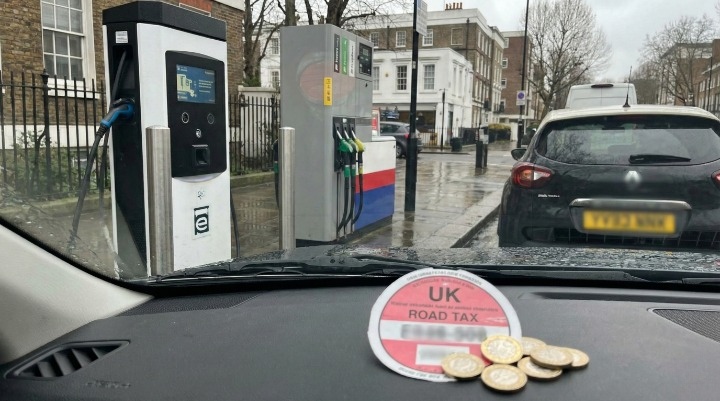
UK Car Tax Changes 2026: New VED Rates, EV Relief & The £5,690 Super Tax
If you are planning to buy a high-performance SUV or a luxury electric saloon this year, you need to check the date carefully. Registering a vehicle before or after 1 April 2026 could mean the difference between a manageable annual bill and a staggering £5,690 first-year tax charge.
The car tax changes 2026 brings represent the first “true” financial year under the new unified Vehicle Excise Duty (VED) system. Following the transitional chaos of 2025, the UK government has solidified its stance: heavy polluters will pay significantly more, while electric vehicle (EV) drivers get a crucial, but specific, reprieve on the “luxury car tax.”
For fleet managers, private buyers, and EV enthusiasts, 2026 is a balancing act. The Treasury is moving aggressively to close loopholes, specifically targeting double-cab pickups and under-taxed hybrids, while attempting to keep the electric transition attractive.
This guide breaks down exactly what you will pay, how the new £50,000 threshold works, and why your “commercial” pickup might suddenly be taxed as a luxury car.
April 2026 VED Snapshot: What’s Changing for Every Driver?
Most UK drivers are used to the annual inflation-linked rise in road tax. However, 2026 introduces sharper increases for specific bands. The government relies on the Retail Price Index (RPI) to set these rates, and with inflation projections from the Office for Budget Responsibility (OBR) remaining steady, we are looking at a noticeable hike across the board.
The Standard Rate Hike: Petrol, Diesel, and EVs
For vehicles registered after 1 April 2017, the “Standard Rate” is the flat annual fee you pay from the second year onwards.
In 2025, this rate sat at £195. For the 2026/27 financial year, verified projections indicate this will rise to approximately £200. While a £5 increase sounds modest, it applies to millions of vehicles, generating significant revenue for the Exchequer.
Crucially, electric vehicles (EVs) are now fully integrated into this standard rate. If you register a new EV in 2026, you will pay a nominal £10 for the first year, but from year two, you move straight onto the same £200 annual standard rate as a petrol Ford Fiesta. The days of the £0 tax band are officially over.
| Vehicle Type | Standard Rate (2025) | Estimated Standard Rate (2026) |
| Petrol / Diesel | £195 | £200 |
| Electric (EV) | £195 (from April ’25) | £200 |
| Alternative Fuel (Hybrid) | £185 | £190 |
Showroom Tax: The First-Year Rate Escalation
The most aggressive change targets new cars with high CO2 emissions. The “First-Year Rate” (often called showroom tax) is designed to dissuade drivers from buying heavy polluters.
From 1 April 2026, the top band for vehicles emitting over 255g/km of CO2 increases by roughly £200, hitting a new cap of £5,690.
This isn’t just for supercars. According to 2026 data analysis, over 59 popular models now fall into this top bracket. This list includes high-spec versions of the Range Rover Sport, Audi RS models, and the Mercedes-AMG G-Class.
Strategic Insight: If you are buying a vehicle in this bracket, negotiating the “on-the-road” price is vital. That £5,690 fee is often bundled into your finance agreement, meaning you could end up paying interest on the tax itself.
The “Electric Relief”: Understanding the £50,000 Luxury Tax Threshold
One of the most contentious elements of UK car tax has been the “Expensive Car Supplement” (ECS). Historically, any car with a list price over £40,000 paid an extra £425 annually for five years (years 2–6 of ownership).
This £40,000 threshold hadn’t moved since 2017, dragging many modest family EVs into the “luxury” tax bracket due to battery costs.
Why Your 2025 EV Might Be Cheaper to Tax in 2026
Effective 1 April 2026, the government has raised the ECS threshold specifically for Zero Emission Vehicles (ZEVs) from £40,000 to £50,000.
This is a retrospective change. If you bought an EV in 2025 that cost £48,000, you likely expected to pay the surcharge. However, when your tax renewal lands in 2026, you should find yourself exempt from the supplement, paying only the standard rate.
[Check your vehicle’s tax status on GOV.UK]
The £425 Hidden Cost: Why “List Price” Matters More Than “Sale Price”
This is where buyers often get caught out. The £50,000 threshold is based on the published list price of the vehicle plus all factory options before any discounts.
I have seen this happen too often: a buyer negotiates a £52,000 EV down to £48,000 at the dealership and assumes they are safe. They are not. The tax man looks at the sticker price, not the invoice price.
The “EV Price Trap” Warning:
Imagine you are configuring a new Tesla Model Y or Audi Q4 e-tron. The base price is £49,500. You are comfortably under the £50k threshold.
- You add “Metallic Blue Paint” (£900).
- You add a “Tow Bar” (£800).
- Total List Price: £51,200.
Result: You have just triggered the Expensive Car Supplement. That paint job didn’t cost you £900; it cost you £900 plus £2,125 in extra tax over the next five years.
Pro-Tip: Always check the V5C document or the manufacturer’s “P11D value” calculator before finalizing your spec. Keeping the list price under £49,999 saves you a fortune.
Reclassification Alert: The End of the Double-Cab Pickup “Loophole”
For over a decade, double-cab pickups (like the Ford Ranger or Toyota Hilux) were the darling of UK company car drivers. They offered the comfort of an SUV but were taxed as commercial vehicles (vans), attracting a fixed, low Benefit-in-Kind (BiK) rate.
Those days end in 2026.
Why 2026 is the “Year of Audit” for Fleet Managers
Following confused messaging in 2024/25, HMRC has clarified the rules. From April 2026, double-cab pickups with a payload of one tonne or more will no longer automatically qualify as goods vehicles. Instead, they will be assessed on “suitability.”
If the vehicle has rear seats, windows, and is used primarily for personal transport, it will be classified as a car for tax purposes.
This shift is massive. It moves these vehicles from a flat-rate tax benefit to an emissions-based scale. Since most pickups have high CO2 emissions, the tax liability skyrockets.
The Benefit-in-Kind (BiK) Impact: From £3k to £14k?
Let’s look at the numbers for a 40% tax-paying company director driving a high-spec pickup.
- 2025 Rules (Van Tax): You pay tax on a fixed benefit of roughly £3,960.
- Cost to you: Approx. £1,584 per year.
- 2026 Rules (Car Tax): You pay tax based on the vehicle’s CO2 emissions (often 37% bracket) and list price (e.g., £50,000).
- Calculation: £50,000 x 37% = £18,500 taxable benefit.
- Cost to you: £18,500 x 40% = £7,400 per year.
That is nearly a 500% increase. If you currently run a fleet of pickups, 2026 is the year to audit your usage. If they are genuine “workhorses,” ensure they meet the strict commercial definitions outlined in HMRC Manual EIM23151. If they are lifestyle perks, be prepared to pay.
Used Car Tax Hacks: The 2001–2017 EV “Sweet Spot”
If you are looking to save money, the used market offers a fascinating anomaly in the 2026 tax bands.
As verified by RAC and legislative data, the unified standard rate (£200) applies primarily to cars registered after April 2017. However, EVs registered before 1 April 2017 fall into a different historic band.
- New EV (2026): Pays £200/year.
- Used EV (Registered 2001–2017): Pays £20/year (Band A).
This creates a “sweet spot” for buyers of older Nissan Leafs, BMW i3s, or early Tesla Model S units. These vehicles effectively remain tax-free (barring the nominal £20 admin fee), making them incredibly cost-effective runabouts compared to their modern counterparts.
For petrol and diesel cars from this era (2001–2017), the tax remains based purely on CO2 emissions. While these rates also rise with RPI, they often work out cheaper for small, efficient city cars (Band B or C) compared to the flat rate applied to newer vehicles.
Looking Ahead: Pay-Per-Mile (eVED) & Digital Licences
While the car tax changes 2026 focus on rates and thresholds, the infrastructure of how we pay is also evolving.
Rumours of a “pay-per-mile” road pricing scheme (often cited as 3p/mile) persist. The logic is sound: as petrol revenues vanish, the Treasury needs a replacement. However, current government briefings suggest this technology won’t be ready for nationwide rollout until at least 2028 or 2029.
For 2026, the focus is on digitization. The DVLA is expanding trials of digital tax licences, aiming to phase out paper reminders entirely. Ensure your V5C address is up to date, missing a digital reminder because it went to an old email could lead to an £80 fine.
FAQs
Is car tax going up in April 2026?
Yes. VED rates are linked to the Retail Price Index (RPI). We expect the standard rate for post-2017 cars to rise from £195 to roughly £200, with proportional increases across other bands.
What is the luxury car tax threshold for EVs in 2026?
The threshold for the Expensive Car Supplement increases to £50,000 for zero-emission vehicles. Petrol and diesel cars remain at the £40,000 threshold.
Do electric cars pay road tax in the UK for 2026?
Yes. The £0 exemption ended in 2025. New EVs pay £10 in year one, then the standard rate (approx. £200) annually.
How much is the first-year tax for a high-emission car in 2026?
For vehicles emitting over 255g/km CO2, the first-year rate is capped at £5,690, up from £5,490 the previous year.
Are double-cab pickups now taxed as cars?
Mostly, yes. From April 2026, pickups with a payload over one tonne that are used for personal journeys will likely be classified as cars, attracting higher Benefit-in-Kind and VED rates.
What is the standard VED rate for 2026/27?
The standard rate is projected to be £200 for petrol, diesel, and electric cars registered after April 2017.
Will there be a pay-per-mile car tax in 2026?
No. While under discussion for the future (post-2028), there is no legislation to introduce a pay-per-mile scheme in 2026.
Final Thoughts: The 2026 Balancing Act
The 2026 tax landscape sends a clear message: the “free ride” for electric vehicles is over, but the penalties for sticking with high-emission combustion engines are getting severe.
The government is trying to thread a needle, recouping the billions lost in fuel duty without killing the EV market. The move to a £50,000 threshold for the luxury supplement is a welcome adjustment that acknowledges the reality of EV pricing.
However, for buyers, the devil is in the detail. Whether it is dodging the “list price” trap with optional extras or rethinking that double-cab pickup purchase, diligence is key. Don’t just look at the monthly finance payment; calculate the Total Cost of Ownership (TCO), including these rising tax liabilities.
Next Step: Are you looking to buy a new car before the April deadline? [Download our 2026 VED Checklist] to ensure you don’t get hit with an unexpected bill.
About the Author