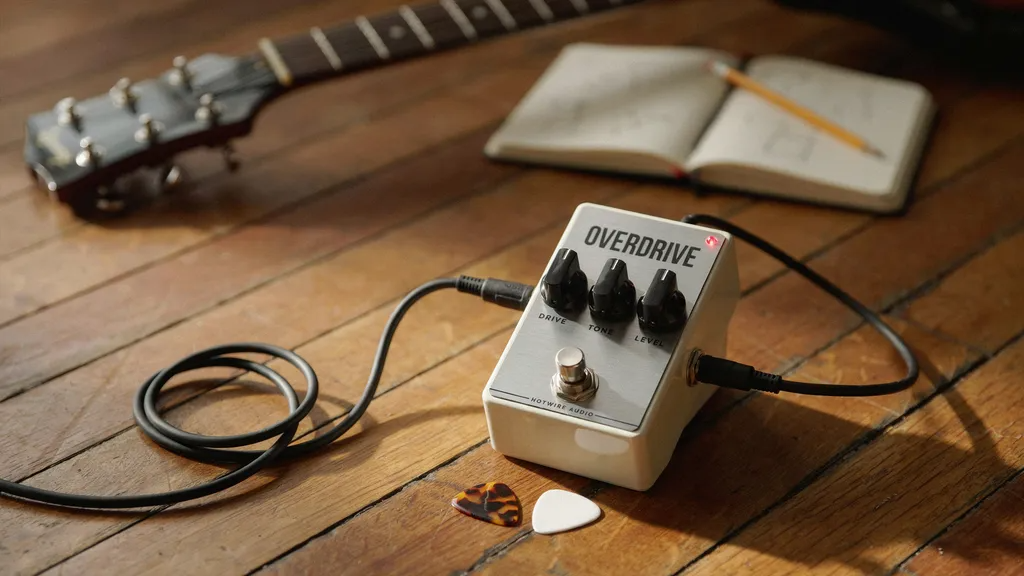
Have you ever wondered how your favorite rock songs get that warm, fuzzy, and powerful sound? The secret is often a little box called an overdrive guitar effects pedal. When you plug your guitar into this pedal and press the switch, it takes your clean sound and gently pushes it. Imagine a small amplifier playing nicely in a quiet room, and then turning it up just enough to start humming with life. That is what an Overdrive Guitar Effects Pedal does for your electric guitar. It is different from heavy metal distortion because it keeps the natural beauty of your instrument while adding a sweet, singing crunch. You can use it to make your solos pop out or to give your rhythm chords a nice, warm hug. Every beginner guitarist loves this tool because it instantly makes playing feel more exciting and alive. It is like adding a pinch of salt to your favorite meal; it brings out all the best flavors hiding inside your music.
How Does an Overdrive Pedal Work?
To understand how an overdrive guitar effects pedal works, think about how sound travels from your fingers to your amp. When you pluck a string, a tiny electrical signal goes through your cable. If that signal hits your amplifier too softly, it sounds clean and clear. But if you make that signal just a little bit too big for the amp to handle, the top parts of the wave get clipped or squished. This squishing creates a warm, fuzzy clip that our ears love to hear as rock and roll. The pedal sits right in the middle of your signal path and does that squishing job for you before the sound even reaches your amplifier. It boosts the volume of your guitar signal just enough to create a natural tube-like warmth. You do not need an engineering degree to use one; you just stomp on the footswitch and let the magic happen. It is a simple electronic trick that completely transforms how your guitar interacts with the world around it.
Difference Between Overdrive and Distortion
Many new players get confused by the terms overdrive and distortion, but they are actually quite different. An overdrive guitar effects pedal mimics the sound of a tube amplifier being pushed right to its happy limit. It sounds warm, organic, and reacts nicely to how hard you pick your strings. If you pick softly, it stays clean; if you dig in hard, it growls back at you. On the other hand, distortion changes your sound completely, no matter how softly or loudly you play. Distortion chops up your audio wave heavily, creating a buzzing, heavy metal roar that stays the same all the time. Think of overdrive as a warm cup of hot cocoa on a chilly afternoon, while distortion is a wild roller coaster ride. Both are super fun to use, but an overdrive pedal is usually much better for blues, classic rock, and indie music where you want your true guitar tone to shine through the mix.
Why Every Guitarist Needs One on Their Board
If you look at almost any professional guitar player’s pedalboard, you will spot an overdrive guitar effects pedal right away. Why is this little box so popular? Because it is the ultimate tool for shaping your sound and making your guitar cut through a loud band. When you are playing a solo, you want the rest of the band to hear every single note you play. By clicking on your overdrive, you boost your volume and add mid-range frequencies that grab the listener’s attention instantly. It also helps your amplifier feel more alive and responsive under your fingertips. You do not have to turn your amp up to ear-splitting volumes to get that sweet, crunchy tone. You can play quietly in your bedroom while still enjoying the rich, fat tone of a giant stadium rock show. It is a trusty sidekick that makes practicing and performing so much more rewarding every single day.
Top Features to Look for Before Buying
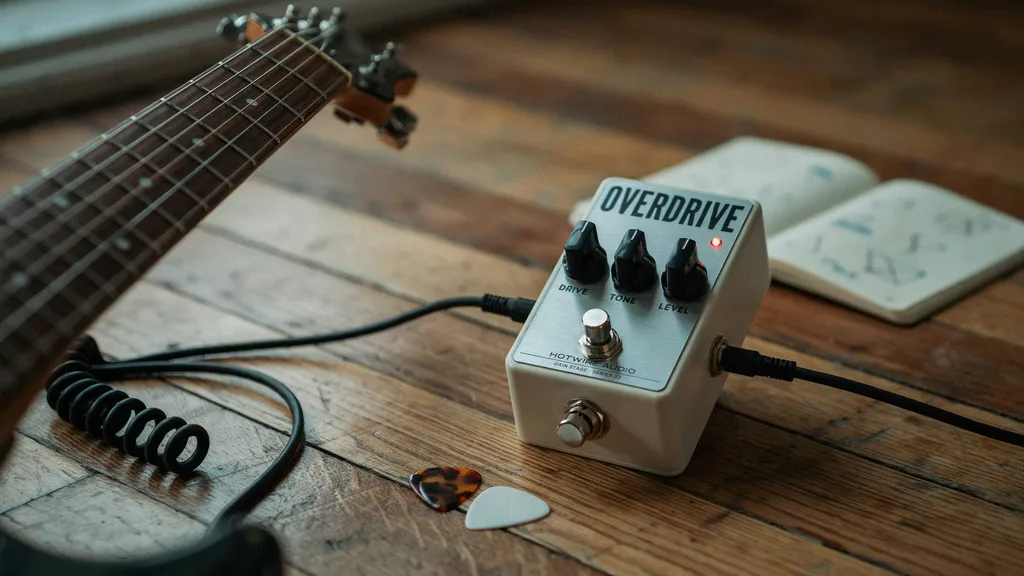
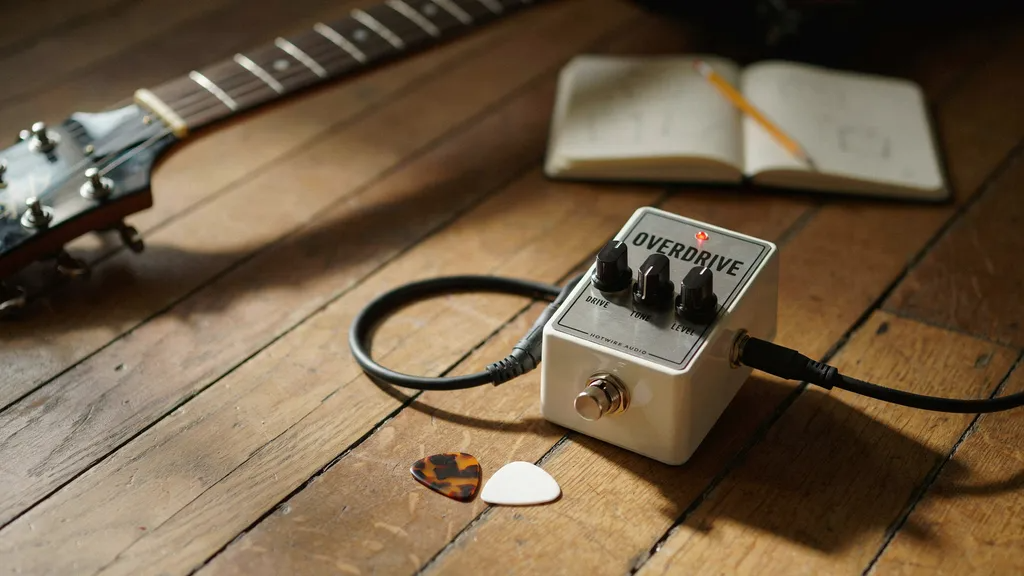
When you go shopping for your very first overdrive guitar effects pedal, you will see a lot of knobs and switches. Do not let this scare you! Most pedals have a few basic controls that are very easy to learn. The most important knob is the drive or gain control, which decides how much crunch you want in your sound. Next is the tone knob, which lets you make your sound brighter like the sun or darker like a cozy cave. Finally, you have the level or volume knob, which matches your boosted sound to your normal clean sound. Some pedals also have a true bypass switch, which means your clean signal stays pure when the pedal is turned off. Look for a metal casing because guitar gear takes a lot of accidental kicks and drops on stage. Finding a pedal with simple controls will help you spend less time tweaking knobs and more time actually playing your favorite songs.
How to Set Up Your Overdrive Pedal
Setting up your overdrive guitar effects pedal is a fun and easy experiment that you can do in just a few minutes. First, place your pedal on the floor between your guitar and your amplifier using two standard instrument cables. Plug your guitar into the input jack, and run another cable from the output jack straight into the front of your amp. Next, plug your amp in and turn it on to a nice, clean sound setting with very little bass or treble boost. Start by turning all the knobs on your overdrive pedal straight up to the middle position, pointing right at twelve o’clock. Hit an open chord on your guitar and listen to how it sounds. If you want more crunch, turn the drive knob up just a little bit. If the sound is too loud compared to your clean tone, turn the level knob down until they match. Trust your ears and have fun finding the sweet spot!
Best Settings for Different Music Genres
One of the best things about an overdrive guitar effects pedal is how flexible it can be for different styles of music. If you love playing sweet blues music, turn the drive knob down low and the level knob up high to give your clean tone a gentle, creamy push. This is often called a clean boost, and it lets your natural guitar voice sing with extra warmth. If you want to play classic rock like AC/DC or Led Zeppelin, turn that drive knob up past the middle so you get a crunchy, aggressive rhythm tone. For country music, you can use a tiny touch of overdrive to make your fast finger-picking notes pop out clearly against the backing track. Every genre uses this wonderful pedal a little bit differently, so do not be afraid to twist those knobs around until you find a sound that makes you smile.
Common Mistakes Beginners Make
Even though using an overdrive guitar effects pedal is super simple, beginners sometimes make a few funny mistakes. One common error is turning the gain or drive knob all the way up to maximum right away. While this might sound cool for a second, it usually turns your guitar tone into a muddy mess where you cannot hear individual notes clearly. Another mistake is putting the pedal in the wrong spot in your signal chain, like putting it after your delay or reverb pedals instead of before them. Always put your overdrive near the beginning of your pedal chain so it shapes your raw guitar signal properly. Finally, remember to check your batteries or power supply before a big practice session so your pedal does not suddenly turn off. Learning from these quick tips will save you a lot of frustration and keep your guitar sounding amazing.
Comparing Overdrive Pedals: Features at a Glance
| Pedal Type | Main Sound Quality | Best Used For | Price Range |
| Tube-Screamer Style | Mid-range boost, smooth crunch | Blues, lead solos | Budget to Mid-range |
| Transparent Overdrive | Keeps original guitar tone pure | Rhythm playing, subtle warmth | Mid-range to High |
| Amp-in-a-Box | Heavy crunch, dynamic response | Classic rock, hard rock | Mid-range |
| Clean Boost | Volume lift, minimal coloring | Boosting other pedals | Budget |
Conclusion
An overdrive guitar effects pedal is truly one of the best investments you can make for your musical journey. It takes your standard guitar sound and gives it that professional, warm, and exciting edge that makes you want to play for hours. We learned how it works, how it differs from heavy distortion, and how to set it up for your favorite songs. Now it is time for you to take action! Go to your local music shop, plug one in, and hear the difference for yourself. What is your favorite song to play with a crunchy guitar tone? Drop a comment below and share your musical setup with us today!
Frequently Asked Questions
What does an overdrive guitar effects pedal do?
It pushes your amplifier signal just enough to create a warm, natural crunch without ruining your clean guitar tone.
Is an overdrive pedal the same as distortion?
No, an overdrive pedal gives a warm, amp-like crunch, while distortion creates a heavy, buzzing metal sound.
Where should I put the overdrive pedal in my chain?
You should place your overdrive guitar effects pedal near the beginning of your pedalboard, right after your tuner.
Can I run an overdrive pedal on batteries?
Yes, most pedals accept a standard 9-volt battery, though you can also plug them into a wall power supply.
Do I need an expensive overdrive pedal to sound good?
Not at all! There are many affordable pedals on the market that sound fantastic for beginners and pros alike.
Will an overdrive pedal damage my guitar amplifier?
No, it is completely safe to use. It just sends a slightly stronger audio signal to your amplifier inputs.
About the Author