Luke Billings Nestle Tribunal: £22k Vaping Payout Explained
Can an employer fire a staff member with an 11-year clean record for vaping in the toilet? The recent case of Luke Billings vs Nestlé UK Ltd highlights the razor-thin line between a justifiable health and safety dismissal and an unfair tribunal payout. This breakdown explores why the tribunal ruled the dismissal unfair, dissects the £22,000 compensation, and provides actionable steps for UK employers to update their gross misconduct policies.
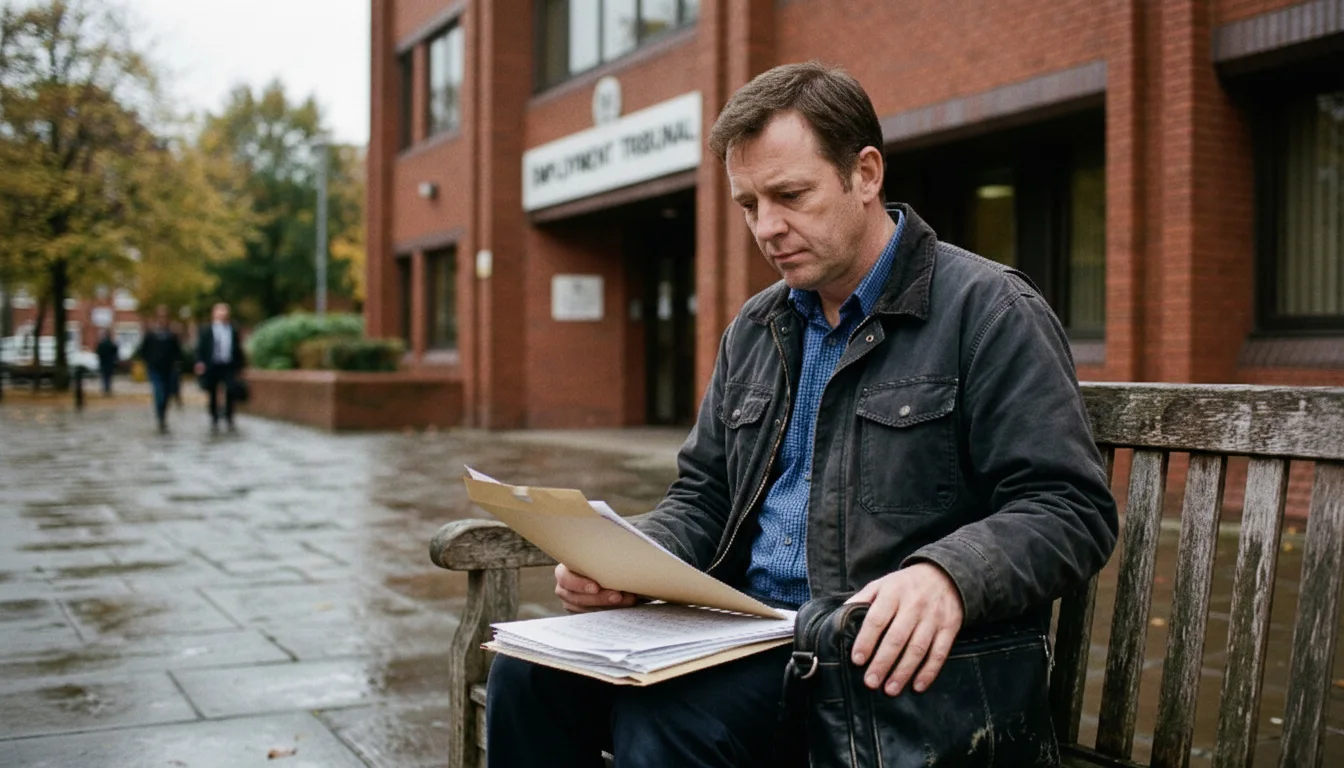
In the Luke Billings Nestle tribunal, an employee with 11 years of service was fired for allegedly vaping in a factory toilet, triggering a fire alarm. The UK Employment Tribunal ruled the dismissal unfair, stating that failing to admit guilt is not gross misconduct, awarding Billings over £22,000 in compensation.
Key Takeaways
- Luke Billings worked at the Nestlé Tutbury factory for 11 years before his dismissal in late 2023.
- Nestlé fired him for gross misconduct after investigating a fire alarm triggered by vape smoke in a disabled toilet.
- Billings claimed disability discrimination based on past sick leave for depression, but the tribunal rejected this specific claim.
- The tribunal ruled the actual dismissal unfair because management fired him primarily for his refusal to admit fault.
- Failing to apologise does not legally constitute an act of gross misconduct.
- Nestlé failed to give proper weight to his long, unblemished service record before deciding to terminate his contract.
- Billings won £22,216.72, though the tribunal reduced the initial calculation by 50% because he contributed to his own dismissal.
“The decision to dismiss fell outside the range of reasonable responses open to a reasonable employer.” — Employment Tribunal (2026)
Quick Start: Unfair Dismissal Risk Assessment
If you are managing a similar health and safety breach, use this quick checklist to assess your tribunal risk before you issue a dismissal notice.
- Is the employee’s length of service over two years? If yes: Full statutory unfair dismissal rights apply. Proceed with high caution.
- Is the push for dismissal primarily because the employee will not admit guilt? If yes: High risk. As established in recent case law, failing to apologise is not inherently misconduct.
- Was a lesser sanction (like a final written warning) considered and documented as insufficient? If no: High risk. A tribunal may view the sanction as falling outside the “band of reasonable responses” expected of a fair employer.
The Incident: Vaping, Fire Alarms, and CCTV Investigations
In October 2023, a fire alarm disrupted operations at the Nestlé coffee facility in Tutbury. The alarm forced a full staff evacuation and halted factory production. Nestlé immediately launched an internal investigation to find the cause of the disruption.
Management reviewed CCTV footage and concluded that Billings triggered the alarm by vaping inside a disabled toilet. Company rules strictly prohibit smoking and vaping anywhere on the factory premises. However, Billings consistently denied vaping in the workplace toilet. He only admitted that he occasionally vaped at home on weekends. Nestlé ultimately dismissed him, citing a breach of health and safety, lost production time, and a loss of trust because they believed he was lying.
Pro Tip: Define vaping explicitly in your employee handbook. Do not assume employees know vaping carries the same gross misconduct weight as smoking. Detail it explicitly in your disciplinary policy.
Common Mistake: Employers often upgrade a safety offence to “gross misconduct” simply because the employee refuses to confess. Base your disciplinary sanctions purely on the evidence of the physical offence, not the employee’s subsequent denial.
Employers should routinely review official HSE guidance on workplace smoking and vaping to ensure internal policies remain current, clear, and legally compliant.
The Disciplinary Process: Why Nestlé Claimed Gross Misconduct
During the internal hearings, Nestlé managers focused heavily on Billings’ refusal to confess. The company viewed his consistent denial as a lie, which led to a complete breakdown in trust. Management argued that this loss of trust, combined with the loss of factory production time, justified a gross misconduct charge.
Pro Tip: Document your true motivations clearly. If you cite “loss of production” as a reason for dismissal, ensure it is the actual driving factor rather than a secondary excuse added later to justify firing an employee who will not apologise.
The Employment Tribunal Legal Claims Breakdown
Why the Disability Discrimination Claim Failed
Billings brought a disability discrimination claim linked to his period of sick leave for depression between June 2022 and August 2023. He argued that management treated him worse than a non-disabled colleague.
During the hearings, Billings pointed to a colleague, Mr. Marler, as a legal comparator. Marler committed a separate health and safety breach but only received a final written warning. The tribunal rejected the discrimination claim. They noted a key difference: Marler admitted his fault and apologised, while Billings did not. The judge ruled the differing treatment stemmed from the apology, not the disability. Employers can read more about legal comparators via the Equality and Human Rights Commission guidance on comparators.
Why the Unfair Dismissal Claim Succeeded
Despite losing the discrimination claim, Billings won his case for unfair dismissal. The tribunal found the firing disproportionate. Employment Judge Ahmed noted that, legally, failing to apologise or to accept responsibility is not misconduct.
Nestlé also failed to weigh his clean disciplinary record. The tribunal described the vaping incident as a single isolated act in an otherwise unblemished 11-year career.
Pro Tip: Separate the core misconduct from the denial. Do not upgrade an offence to “gross misconduct” solely because the employee refuses to admit guilt.
Mid-Article Summary
- The physical act of vaping triggered the initial factory investigation and operational disruption.
- Billings’ refusal to apologise caused his disability discrimination claim to fail, as a comparator employee had admitted fault.
- The dismissal was still unfair because management ignored his 11 years of unblemished service.
- The tribunal ruled that failing to admit guilt is not a standalone form of misconduct.
5 Common Mistakes HR Makes in Gross Misconduct Cases
- Ignoring Length of Service: You must treat a clean, long-term employment record as a heavy mitigating factor before dismissing an employee.
- Equating Denial with Misconduct: Refusing to confess does not automatically elevate a minor safety breach to a fireable offence.
- Inconsistent Penalties: Punishing staff differently for similar breaches invites legal trouble if you cannot justify the differing treatment.
- Vague Vaping Policies: Failing to state exactly how vaping breaches health and safety rules weakens your disciplinary stance.
- Unfair CCTV Procedures: Using camera footage without giving the accused employee a fair chance to view and explain it breaches procedural fairness.
Mini Case Study: Consider a typical scenario where an employee with 10 years of loyal service commits a single safety breach, like vaping in a non-designated area. If management dismisses them solely because they stubbornly deny the act, a UK tribunal will likely rule the dismissal unfair because long service was ignored.
Pro Tip: Always apply the “band of reasonable responses” test. Train your disciplinary officers to ensure a dismissal is a proportionate reaction to the specific breach, rather than an emotional reaction to an uncooperative employee.
Comparing Outcomes: Warning vs. Dismissal
Mini Case Study: Two employees commit similar safety breaches. Employee A admits fault and receives a warning. Employee B denies it and gets fired. Employee B claims disability discrimination. The tribunal rejects the discrimination claim because the differing treatment relies on the admission of guilt. However, the tribunal still finds Employee B’s dismissal procedurally unfair because firing them was disproportionate.
The £22,000 Payout and Contributory Fault
The tribunal awarded Billings compensation totalling £22,216.72. This money covered his lost earnings, pension losses, and statutory rights.
However, this final figure was actually reduced by 50%. The tribunal applied a “contributory fault” deduction because they determined Billings was equally to blame for the situation. By triggering the fire alarm and causing the factory evacuation, his own actions contributed heavily to his dismissal. You can check current payout caps through the GOV.UK Employment Tribunal compensation limits page.
Pro Tip: Remember that even if an employer loses an unfair dismissal claim based on poor procedure, tribunal payouts can be heavily reduced if the employee’s actions caused the incident.
End Summary & Next Steps
The Luke Billings tribunal demonstrates the delicate balance between enforcing health and safety rules and following fair disciplinary procedures. While employers must protect their factories, they cannot ignore a decade of good service or fire someone simply for refusing to apologise.
Next Steps for HR Professionals:
- Review and update your company’s vaping and gross misconduct policies immediately.
- Audit your disciplinary investigation procedures to ensure they weigh length of service.
- Use the Disciplinary Sanction Fairness Checklist before issuing any termination notices.
Disciplinary Sanction Fairness Checklist:
- [ ] Is vaping explicitly listed as gross misconduct in the handbook?
- [ ] Have you reviewed the employee’s full service record?
- [ ] Are you basing the sanction on the offence rather than the refusal to apologise?
- [ ] Is the penalty consistent with past cases?
FAQs
Why did Luke Billings win his unfair dismissal claim against Nestlé?
He won because the tribunal found his dismissal disproportionate. Management failed to credit his 11-year clean record and fired him primarily because he would not admit guilt.
Can you be fired for vaping at work in the UK?
Yes, if your employer explicitly lists vaping in prohibited areas as gross misconduct in the company handbook. However, the dismissal process must still be fair.
Did the tribunal find that Luke Billings vaped in the toilet?
The tribunal accepted that Nestlé had reasonable grounds to believe he vaped based on the internal CCTV investigation and the triggered fire alarm.
Why did the disability discrimination claim fail?
The claim failed because the differing treatment was not due to his disability. It happened because another colleague admitted fault for a similar breach, whereas Billings denied it.
How is contributory fault calculated in UK employment tribunals?
A judge assesses how much the employee’s own blameworthy conduct led to their dismissal and reduces the final compensation by a percentage, such as the 50% deduction applied in this case.
Is failing to apologise considered gross misconduct?
No. The employment tribunal clearly stated that failing to apologise or accept responsibility does not legally constitute an act of misconduct.
How much compensation did Luke Billings receive?
He received £22,216.72 to cover lost wages and benefits, after a 50% deduction for his own contributory fault.
Does an employer have to consider length of service before dismissal?
Yes. An employer must weigh an employee’s clean disciplinary record and tenure as mitigating factors before deciding to terminate a contract.
About the Author