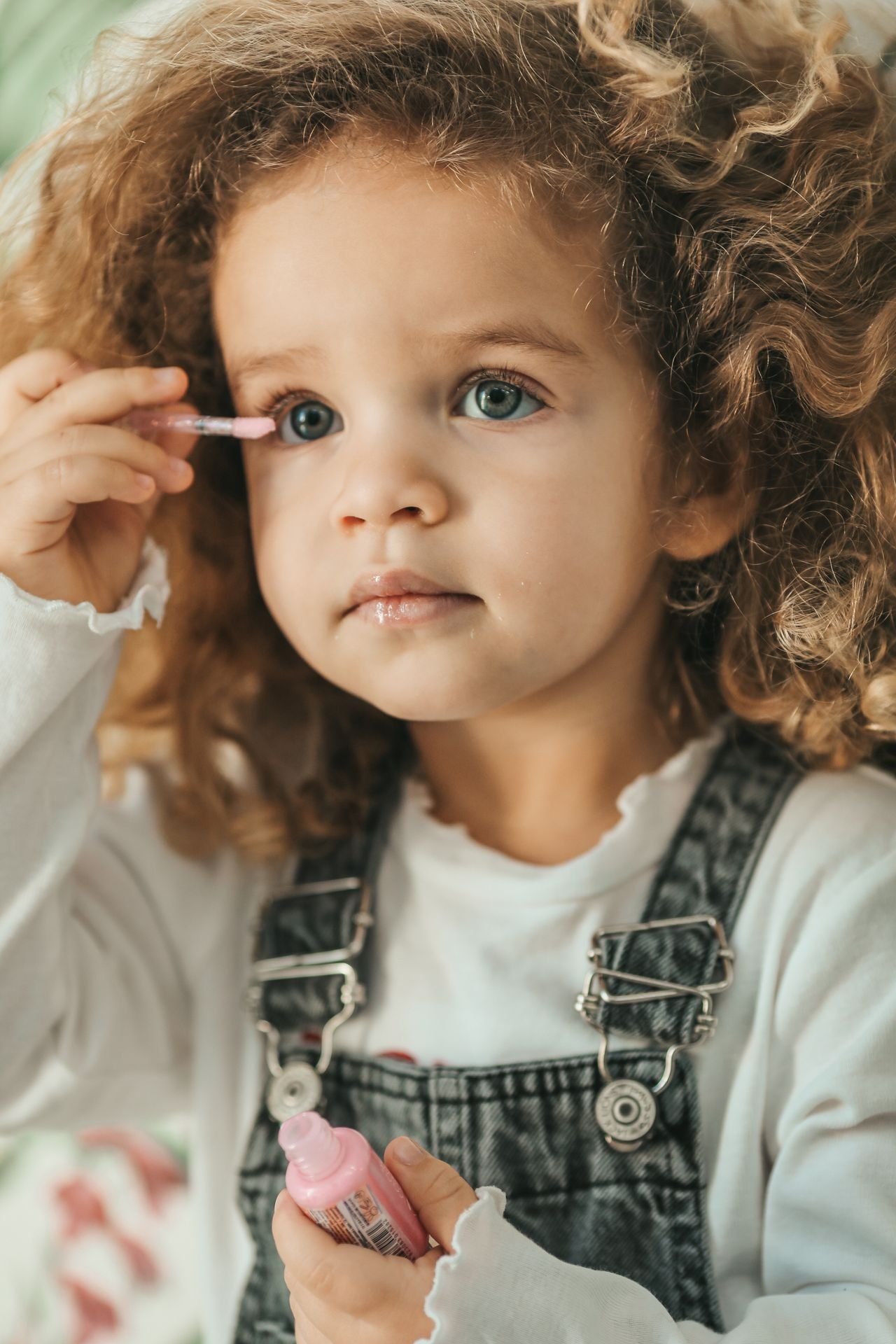
As children grow and begin exploring different forms of self-expression, many become interested in makeup at an early age. While this can be a fun and creative outlet, it also presents an opportunity for parents to guide healthy habits, set boundaries, and encourage confidence beyond appearance. Without proper guidance, children may develop unrealistic expectations about beauty or rely too heavily on makeup for self-esteem. With thoughtful involvement, parents can turn this interest into a positive and balanced experience. The goal is not to discourage curiosity, but to shape it in a way that promotes responsibility and long-term well-being. Teaching responsible makeup use early helps children build confidence, discipline, and awareness. With the right approach, makeup becomes a tool for creativity rather than pressure.
Set Clear Age-Appropriate Boundaries
One of the most effective ways to guide responsible makeup use is by establishing clear and age-appropriate boundaries. Children at younger ages may only use makeup for play at home, while older children may gradually be allowed to wear light makeup in certain settings. Defining these limits helps children understand expectations and reduces the likelihood of misuse. Clear rules also remove ambiguity, making it easier for children to follow guidelines without confusion. When parents are consistent with these boundaries, children are more likely to respect them and develop discipline. It also helps reinforce the idea that makeup is something to be used occasionally or thoughtfully rather than constantly. Setting boundaries early creates a structure that can evolve as the child matures. This approach teaches responsibility while still allowing room for creativity.
Teach Proper Hygiene And Safe Application Habits
Hygiene is one of the most important aspects of using makeup responsibly, especially for children with sensitive skin. Parents should teach their child to wash their hands before applying any products and to clean applicators regularly. Proper storage of products is also important to prevent contamination or spoilage. Children should be taught never to share makeup with friends, as this can spread bacteria and lead to irritation or infection. In addition to hygiene, demonstrating how to apply makeup gently and remove it thoroughly at the end of the day is essential. These habits protect the skin and reinforce the importance of self-care. Teaching proper routines also helps children understand that makeup comes with responsibility, not just play. Over time, these habits become second nature and support both health and confidence.
Choose Safe And Age-Appropriate Products
Selecting the right products is critical when introducing children to makeup. Adult cosmetics often contain ingredients that may not be suitable for younger skin, so parents should look for items specifically designed for children. Products labeled as non-toxic and dermatologically safe provide an added layer of protection. For example, options like a girl’s makeup kit for sale that are designed with younger users in mind can help ensure both safety and simplicity. These kits often include lighter, gentler formulas and are created for supervised use. Choosing age-appropriate products also helps prevent overuse or overly dramatic looks that may not align with a child’s stage of development. Parents who take time to evaluate ingredients and quality help create a safer and more positive experience. Product choice plays a major role in shaping how children interact with makeup.
Encourage Confidence Beyond Appearance
While makeup can be fun, it is important for children to understand that their confidence should not depend on how they look. Parents should actively encourage self-esteem that is rooted in character, skills, and personality rather than appearance alone. Complimenting children on their achievements, creativity, and kindness helps reinforce this mindset. When makeup is framed as a form of artistic expression rather than a necessity, children are less likely to feel dependent on it. This distinction is especially important during formative years when identity and self-image are developing. Encouraging makeup-free days or emphasizing natural beauty helps maintain balance. Children who feel confident without makeup are more likely to use it responsibly and in moderation. Building this foundation early has long-term benefits for emotional well-being.
Stay Involved And Maintain Open Communication
Parental involvement is key to ensuring that makeup use remains appropriate and healthy. Staying engaged in your child’s interests allows you to guide them while also understanding what influences them. Social media, peers, and trends can all impact how children view beauty, so open conversations are essential. Asking questions and listening without judgment creates a safe space for discussion. When children feel comfortable talking about their interests, they are more likely to accept guidance and boundaries. Parents can also use these conversations to address unrealistic beauty standards or online influences. Being present and supportive helps prevent misunderstandings or harmful habits from developing. Consistent communication builds trust and ensures that makeup remains a positive part of your child’s routine rather than a source of pressure.
Conclusion
Helping children use makeup responsibly requires a thoughtful balance of guidance, structure, and encouragement. By setting boundaries, teaching proper hygiene, choosing safe products, and promoting confidence beyond appearance, parents can shape a healthy and positive experience. Staying involved and maintaining open communication ensures that children feel supported while learning responsibility. When handled correctly, makeup becomes a creative outlet that enhances self-expression without affecting self-worth. With consistent guidance, children can develop habits that support both their confidence and overall well-being.
About the Author