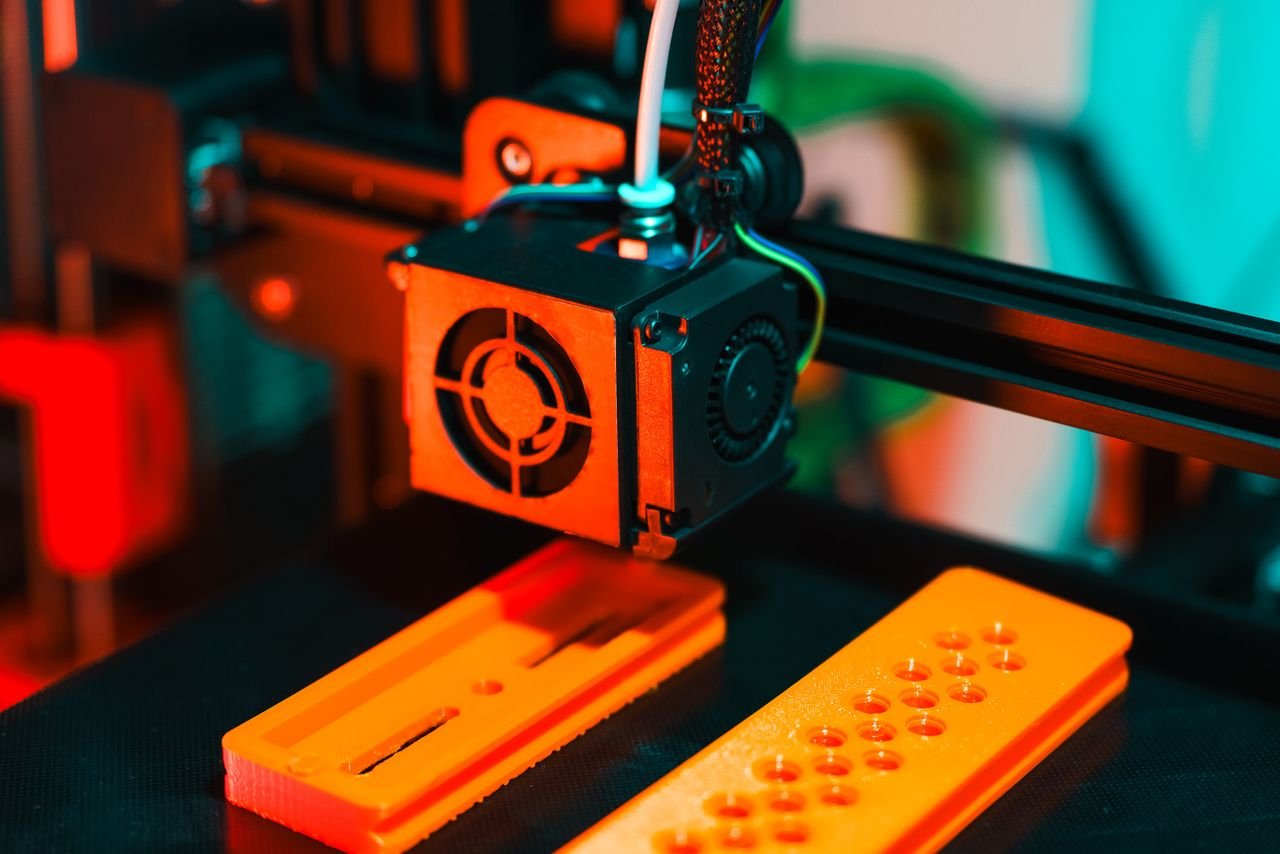
The prototype is the moment when an idea moves from the realm of concept into the physical world, and the quality of that prototype can make or break a product’s path to market. A well-executed prototype allows a company to validate design assumptions, identify engineering challenges, gather meaningful user feedback, and build the confidence of stakeholders and investors in ways that no amount of documentation or rendering can fully replace. Conversely, a poorly executed prototype that does not accurately represent the final product’s form, function, or materials can lead to false conclusions, wasted development cycles, and costly corrections that could have been avoided with better upfront planning. Understanding what it takes to secure a high-quality prototype, from the selection of the right development partner to the clarity of the specifications provided, is one of the most important investments a product-focused company can make in the early stages of bringing something new to market.
Define Your Prototype Objectives Clearly Before You Begin
Before any prototype can be built well, the team commissioning it needs to be clear about exactly what the prototype is intended to demonstrate or validate. Different prototyping objectives call for different approaches, materials, and levels of precision, and conflating them leads to prototypes that try to do everything and end up doing nothing particularly well. A looks-like prototype intended to communicate the aesthetic vision of a product to stakeholders has very different requirements than a works-like prototype designed to validate mechanical or electronic function under real operating conditions. A pre-production prototype intended to stress-test manufacturing processes is different again from a user experience prototype designed to gather feedback on ergonomics and usability. Documenting the specific questions the prototype needs to answer before beginning the development process ensures that every decision made during prototyping serves a clear purpose and that the resulting artifact actually generates the information the team needs to move forward.
Prepare Thorough and Accurate Technical Specifications
The quality of a prototype is directly limited by the quality of the specifications provided to the team building it, and investing time in developing thorough, accurate, and well-organized technical documentation is one of the most important things a company can do to set a prototyping engagement up for success. Specifications should cover material requirements, dimensional tolerances, surface finish expectations, functional performance criteria, regulatory compliance requirements, and any interface specifications for components that interact with external systems or assemblies. Ambiguities in specifications are among the most common and costly sources of prototype quality problems, as engineers and fabricators will make assumptions in the absence of clear guidance that may or may not align with the product team’s actual intent. Involving engineering, design, and manufacturing expertise in the specification development process, rather than leaving it solely to the product management team, produces documents that are more complete, more accurate, and more useful as the basis for a high-quality build. The investment in documentation quality at the front end of a prototyping project consistently pays dividends in the form of fewer revisions, faster turnaround, and a higher-fidelity result.
Partner With an Experienced and Capable Development Partner
The selection of the right prototype development partner is one of the most consequential decisions in the prototyping process, and it deserves careful evaluation rather than defaulting to the lowest-cost option or the most convenient relationship. The right partner brings not just the fabrication capabilities needed for a specific prototype but also the engineering expertise, quality systems, and collaborative approach that allow them to add value throughout the development process rather than simply executing instructions. Working with RCO Engineering connects companies with a team that brings deep engineering expertise and a rigorous approach to prototype development across a wide range of industries and product types. A good development partner will ask the right questions, push back constructively when specifications have gaps or risks, and bring problem-solving capability that helps the product team arrive at a better outcome than they could have achieved working with a pure fabrication shop. Evaluating potential partners on the basis of their engineering capability, quality track record, communication style, and relevant industry experience, rather than cost alone, is the approach most likely to result in a prototype that genuinely serves its intended purpose.
Build an Iterative Review Process Into the Timeline
Even the most carefully specified and expertly executed prototype rarely emerges from a single build cycle without any need for refinement, and companies that build an iterative review process into their prototyping timeline consistently achieve better final outcomes than those that expect perfection from a single pass. Structured review checkpoints at key stages of the build process, such as after tooling is complete, after first article fabrication, and after functional testing, give the product team opportunities to identify and address issues before they propagate through subsequent stages of the build. Clear feedback mechanisms that allow the product team to communicate revision requirements precisely and efficiently, and development partners who can incorporate that feedback quickly and accurately, compress the iteration cycle and reduce the total time to an acceptable prototype. Building adequate time for at least one revision cycle into the project schedule, and communicating this expectation clearly to all stakeholders, prevents the kind of schedule pressure that leads teams to accept inadequate prototypes rather than investing in the refinements needed to make them genuinely useful. A prototype that has gone through thoughtful iteration is almost always more valuable than one produced faster but at lower quality.
Plan for the Transition From Prototype to Production
The most strategically valuable prototyping programs are those designed from the beginning with an eye toward the eventual transition to production, ensuring that the insights and validations gained during prototyping translate efficiently into a manufacturing-ready design. Design for manufacturability reviews conducted during the prototyping phase can identify features or specifications that will be difficult or costly to produce at scale before they are locked into the production design, saving significant time and cost downstream. Material selections validated at the prototype stage should be evaluated not just for functional performance but also for supply chain availability, cost at production volumes, and compatibility with the manufacturing processes planned for full-scale production. Documentation developed during prototyping, including engineering drawings, material specifications, and test results, forms the foundation of the production design package and should be maintained with production-readiness in mind from the outset. Companies that treat the prototype phase as the beginning of the production journey rather than a separate and self-contained activity get dramatically more value from their prototyping investment.
Conclusion
Securing a high-quality product prototype requires clarity of purpose, rigor in specification, careful partner selection, a structured approach to iteration, and a strategic orientation toward eventual production from the very beginning of the process. Companies that invest in getting these elements right consistently find that their prototyping programs compress the overall product development timeline, reduce costly surprises in later stages, and produce designs that perform better in production and in the hands of customers. The prototype is where ideas prove themselves, and the quality of that proof matters enormously.
About the Author