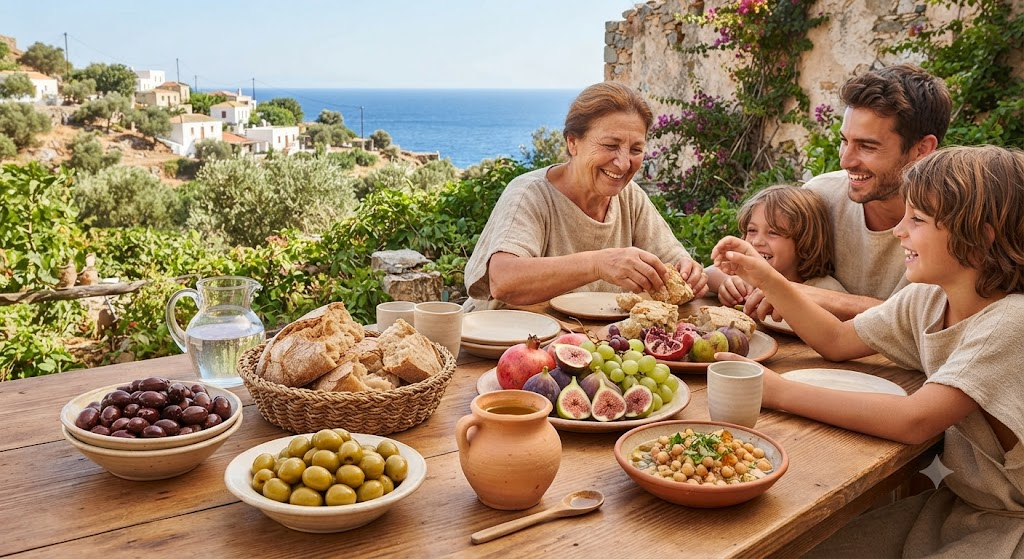
Have you ever wondered what people ate a very long time ago? Picture a sunny day near the bright blue sea. People are laughing, playing outside, and sitting down to eat a simple, yummy meal. Today, we are taking a fun trip back in time to explore Ancient Greek Food. You might be surprised by how fresh and tasty their meals were! Long ago, the people in Greece did not have big supermarkets or refrigerators. Instead, they ate food that grew right in their own sunny gardens, or caught fresh from the sparkling ocean. Every single bite was filled with good, natural energy to help them work, run, and play all day long. Let us dive in and see what was on their plates!
The Power of Golden Olive Oil
Olive oil was the true hero of ancient Greek food. People called it liquid gold for a very good reason! Trees with silvery-green leaves grew all over the hills. Families would press the plump olives to squeeze out every drop of rich oil. They used this oil for cooking, for dipping crusty bread, and even for cleaning their skin. Imagine pouring smooth, sunny oil over your favorite salad. It made every single dish taste rich and delicious. Whenever I taste fresh olive oil today, I always picture those bright green groves shining under the warm Mediterranean sun.
Sweet and Juicy Fresh Figs
When folks wanted a sweet treat after a long day, they did not reach for candy bars. They walked outside and picked fresh figs right off the trees! These soft, purple fruits were sticky, warm, and bursting with sweet juice. Sometimes they ate them fresh, and other times they dried them in the sun so they could save them for later in the year. If you bit into one, it felt like tasting a drop of pure sunshine. Figs were a favorite snack for kids and grownups alike during their busy afternoon breaks.
Crunchy Bread and Barley Cakes
Bread was the most important part of any daily meal in ancient times. Bakers ground tough grains of wheat and barley between heavy stones to make flour. Then, they mixed the flour with water and baked it over hot stones until it turned golden and crunchy. Even though it was simple, this bread tasted amazing when dipped into olive oil or warm vegetable soup. Barley cakes were also very popular because they were cheap and filled hungry bellies fast. It reminds us that simple food can still be deeply satisfying and wonderful.
Fresh Fish Straight From the Sea
Since Greece is surrounded by water, the ocean gave people wonderful gifts every day. Fishermen sailed out in small wooden boats to catch shiny fish like tuna, sardines, and eels. They grilled the fish over glowing wood fires and sprinkled a little sea salt on top. The smoky smell of grilled fish drifted through the busy little port towns at sunset. Eating fresh seafood kept everyone strong and healthy. It was a wonderful way to enjoy the bounty of the blue waves right in your own neighborhood.

Delicious Cheese From Goats and Sheep
Animals like goats and sheep roamed the green hills, munching on wild grass and herbs. Farmers milked these gentle animals and turned the milk into tasty, salty cheese. This cheese was crumbly and sharp, adding a wonderful punch of flavor to everyday meals. People often ate a piece of cheese along with a handful of nuts, a ripe fig, and a slice of bread. It was like a ready-made picnic basket you could carry anywhere you went, whether you were working in the fields or traveling.
Sweet Honey as Nature’s Candy
Sugar did not exist back then, but people still loved sweet things! Bees buzzed through the mountain flowers, making thick, golden honey. Ancient cooks used this honey to sweeten yummy cakes, pour over porridge, and flavor special drinks. A spoonful of raw honey tasted like pure magic. It gave workers a quick boost of energy when they felt tired in the afternoon. Knowing that bees provided such a sweet treasure makes you appreciate how clever people were at using nature’s gifts.
Fresh Vegetables From the Garden
Gardens were full of crisp and colorful vegetables. People grew beans, lentils, cabbages, and juicy garlic right outside their kitchen doors. They tossed these veggies into clay pots and let them simmer all day over a gentle fire into a thick, warm stew. A warm bowl of lentil soup on a breezy evening felt like a big hug. It warmed you right up from your toes to your nose. Fresh vegetables kept everyone healthy and ready for their daily adventures.
Sour and Refreshing Wine
Water was not always clean to drink, so adults mixed their water with a little bit of wine. This made the drink safe and gave it a tart, refreshing taste. They kept their wine in big, beautiful clay jars called amphorae. At big parties called symposia, friends sat on couches, talked about funny stories, and shared cups of mixed wine. It was a social drink that brought neighbors together to share music, jokes, and great conversations under the evening stars.
Colorful and Ripe Table Olives
Beyond the oil, the actual olives were a daily snack. They were cured in salt water to make them plump, salty, and savory. Popping a dark, salty olive into your mouth gave you a big burst of flavor. Travelers always packed a small pouch of olives in their bags because they did not spoil easily in the heat. It is funny to think that kids thousands of years ago loved snacking on salty olives just as much as kids today might love popcorn or chips!
Simple Feasts on Holiday Festivals
When it was time for a big holiday festival, the food got even better! Whole communities gathered in the town square to celebrate gods, good harvests, and happy victories. They roasted meats on open spits and shared giant loaves of spiced bread. Music played, people danced in circles, and laughter filled the warm air. These big meals were about much more than just eating. They brought families and friends together to share stories and feel proud of their community.

Ancient Greek Food Details
| Food Item | Main Source | How It Was Prepared | Fun Fact |
| Olive Oil | Olive Trees | Pressed from ripe olives | Called “liquid gold” by locals |
| Fresh Figs | Orchard Trees | Eaten fresh or sun-dried | Served as a natural sweet snack |
| Crusty Bread | Wheat & Barley | Baked over hot stones | The main part of every daily meal |
| Fresh Fish | The Ocean | Grilled over wood fires | Caught daily by local fishermen |
| Goat Cheese | Goats & Sheep | Curdled and salted milk | Kept well during long travel days |
| Golden Honey | Honeybees | Used straight from the comb | Served as the main sweetener |
Frequently Asked Questions
What did ancient Greeks eat for breakfast?
Breakfast was usually very simple and fast. People ate a piece of dry bread dipped in neat or slightly flavored wine, sometimes with a few dried figs on the side.
Did ancient Greeks eat meat every day?
No, meat was quite rare for regular families. They saved meat mostly for special holidays and festivals, eating beans, fish, and cheese for their everyday protein.
How did they cook their food?
They cooked over open wood fires or hot coals using simple clay pots. Stews and soups were very popular because they could simmer slowly all day long.
What was their favorite sweet treat?
Fresh and dried fruits like figs and grapes, combined with thick wild honey, were the favorite sweet treats for both children and adults.
Did they use a lot of spices?
They used local herbs like mint, oregano, and coriander from the hills, along with sea salt and garlic, to make their simple dishes taste wonderful.
Was ancient Greek food healthy?
Yes, it was very healthy! Their diet relied on fresh vegetables, olive oil, fish, and whole grains, which gave them plenty of energy and good nutrition.
Conclusion
Exploring ancient Greek food shows us that wonderful meals do not need to be complicated. By using fresh garden veggies, sweet figs, crunchy bread, and rich olive oil, people long ago created meals that were both nourishing and delicious. The next time you enjoy a slice of fresh bread or a drizzle of olive oil, think of the sunny shores of ancient Greece! What is your favorite simple snack from your own kitchen?
About the Author